Need Radiators FAST?

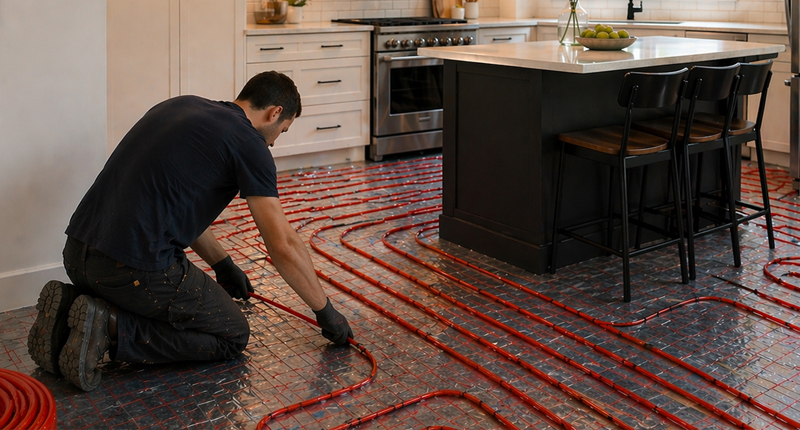
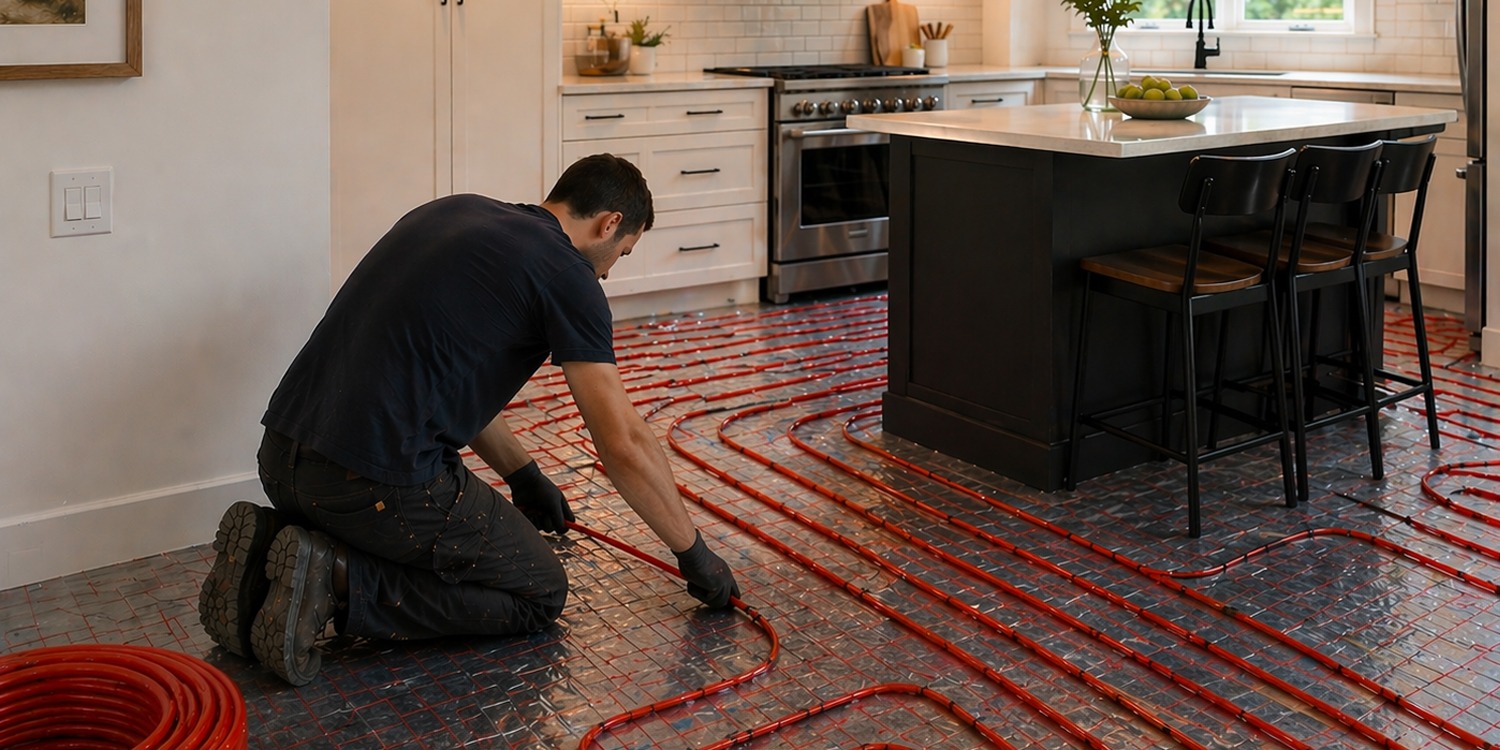
A modern kitchen has to work harder than most other rooms in the house. If your current setup leaves you battling cold tiles, awkward radiator placement, or a kitchen-diner that never feels evenly warm, underfloor heating can be the upgrade that changes how the whole space feels day-to-day.
Underfloor heating enables the entire floor to be a gentle, consistent heat source. That matters in kitchens because they're full of temperature swings: external doors opening, extractor fans pulling air out, hard flooring that holds onto the cold and lots of wall space taken up by cabinets and appliances. With the heat coming from below, you get a steady, even warmth that suits open-plan layouts and modern finishes, without sacrificing precious wall space for furniture, storage or a kitchen island.
Why underfloor heating makes such a difference in kitchens
Most kitchens have hard, conductive floors, such as porcelain tiles, stone, polished concrete, LVT or engineered timber. They look great, they're easy to clean and they're often the coldest surfaces in the house. If you've ever avoided walking into the kitchen barefoot in winter, you've already discovered the biggest emotional selling point of underfloor heating: it makes the room feel welcoming the moment you step in.
But it's not just about comfort. A kitchen can contain base units, tall larders, integrated appliances and sometimes banquette seating. That layout can make radiator placement genuinely awkward, especially in kitchen extensions where glazing takes up the best walls for radiators. Underfloor heating sidesteps the problem completely because there's no emitter fighting for space at eye level. In open-plan kitchen-diners, it also helps create a more consistent temperature across the whole zone, rather than one warm corner and one chilly end near the bifolds.
Underfloor heating is also naturally suited to lower-temperature heating. Properly designed systems deliver warmth across a large surface area, so they don't need scorching hot radiators to feel effective. In retrofit scenarios, it's often discussed as a way to improve comfort while supporting modern heating approaches that run at lower flow temperatures, such as heat pumps (and it can also improve boiler efficiency when set up correctly).
Electric vs water underfloor heating for kitchens

The right type for your kitchen comes down to your project, your floor build-up and how you want to use the space.
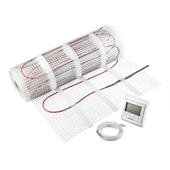
Electric underfloor heating is typically a great fit for single-room upgrades, especially if you're renovating the kitchen floor anyway. It tends to be less disruptive to install than a wet system in an existing home and is often chosen where a minimal floor height increase is important. It's commonly used in single rooms because electricity is generally more expensive per kWh than gas, which affects running costs.
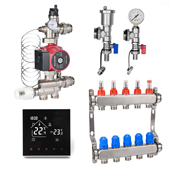
Water underfloor heating (also called wet or hydronic underfloor heating) is usually the go-to for bigger projects such as kitchen extensions, full ground-floor renovations or new builds, because it connects into your central heating system via a manifold. It costs more to install, but it's typically cheaper to run than electric underfloor heating over larger areas, particularly when the system is designed for low-temperature operation.
In practical terms, electric underfloor heating is often the smart renovation option when your kitchen is the only room you're tackling right now. Wet underfloor heating is often the whole-home thinking option when you're already lifting floors, changing layouts or planning heating upgrades across multiple zones.
Understanding controls: thermostats, sensors and kitchen-friendly scheduling

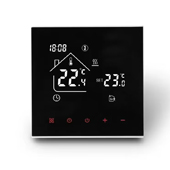
Kitchens aren't used like bedrooms. You might want warmth early in the morning, then less heat during a busy afternoon, then comfort again during dinner and clean-up. This is where underfloor heating thermostats earn their keep, because underfloor heating performs best when it's controlled steadily rather than blasted on and off like an old convector.
Wet systems, in particular, can take longer to respond because the screed and pipework hold heat, which is why scheduling is so important. Water underfloor heating can take a few hours to warm up, while electric systems tend to heat up faster (often within an hour or so), though results depend on insulation, floor finish and system output.
In a kitchen, a thermostat paired with a floor sensor is often ideal: it can keep the floor comfortably warm without pushing it beyond safe limits for your chosen flooring and it helps avoid that 'too hot underfoot' feeling when the room itself is already warm from cooking.
Underfloor heating insulation
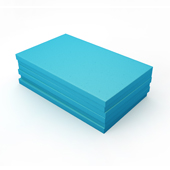
If underfloor heating has a reputation for being slow or disappointing in some homes, it's usually because of missing or inadequate underfloor heating insulation. Heat naturally moves towards cold and in a kitchen, that can mean losing warmth into a concrete slab, into a ventilated void or into an unheated space below. Insulation helps ensure the energy you pay for goes into the room you're standing in.
If you're retrofitting underfloor heating, you are advised to add insulation beneath the system, as it's key for limiting heat loss and ensuring warmth rises into the building. Even thin layers can improve performance compared to leaving insulation out altogether.
For kitchen renovations, this links directly to floor height decisions. If you're trying to avoid altering thresholds, skirting and doors, a low-profile underfloor heating system or electric setup with insulated boards can be a practical compromise. If you're already rebuilding the floor as part of an extension, you've got more freedom to design in generous insulation and a wet system that performs brilliantly long-term.
Wet systems: manifolds and valves
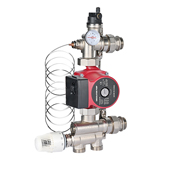
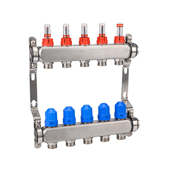
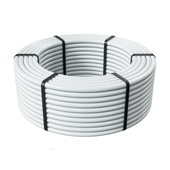
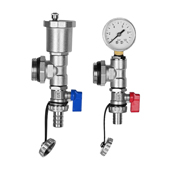
A water underfloor heating system isn't just pipes in the floor. It needs a way to control flow to each zone, balance the system and keep water temperatures appropriate for the floor. That's where the manifold setup comes in and where underfloor heating valves play a key role.
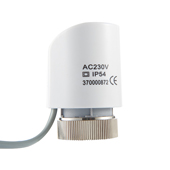
In most domestic wet underfloor heating systems, the manifold distributes warm water to different loops and zones and the system is controlled using thermostats and actuators. Because underfloor heating typically runs at lower temperatures than traditional radiators, the system also needs temperature control and mixing arrangements to deliver the right flow temperature to the floor. Good retrofit guidance describes wet underfloor heating pipes connecting to the central heating system via a manifold, which allows you to control flow into different areas and manage zones accurately.
In kitchen terms, this matters because you're often heating a space that connects to other rooms. If the kitchen is part of a larger ground-floor zone, the manifold and valve setup is what lets you avoid overheating one side while the other still feels chilly. It's also a big part of how you future-proof a kitchen renovation if you plan to move to a heat pump later.
Flooring choices in a kitchen with underfloor heating
Most common kitchen floor finishes can work with underfloor heating, but the details matter. Hard surfaces like tile and stone are popular because they transfer heat well and guidance aimed at self-builders highlights compatibility with a wide range of coverings including engineered timber, tiles, vinyl, laminate and polished concrete. It also notes that a floor temperature sensor can be used to limit output and protect more sensitive finishes.
The real takeaway for a kitchen renovation is simple: choose a floor that suits your lifestyle, then design the underfloor heating output and controls to match. If you want engineered wood for warmth and character, make sure it's rated for underfloor heating and pair it with the right temperature controls. If you're going for large-format tile, you'll likely benefit from its responsiveness and conductivity – especially when insulation and thermostat setup are done properly.
Is underfloor heating "worth it" in a kitchen?
For many households, the kitchen is the room they would choose to improve first if comfort is the goal, because it's so heavily used and so often finished with cold, hard flooring. Underfloor heating adds comfort, frees up wall space, suits open-plan living and can improve how the room feels across the whole day, especially when paired with proper insulation and the right control strategy.
The key is to match the system to the project. Electric underfloor heating can be a brilliant kitchen-only upgrade when you're redoing the floor. Water underfloor heating is often a better long-term solution when you're renovating bigger areas, installing an extension or planning a more future-ready heating setup. Either way, the best results come from treating controls and insulation as essentials, not optional extras.
Shop radiators

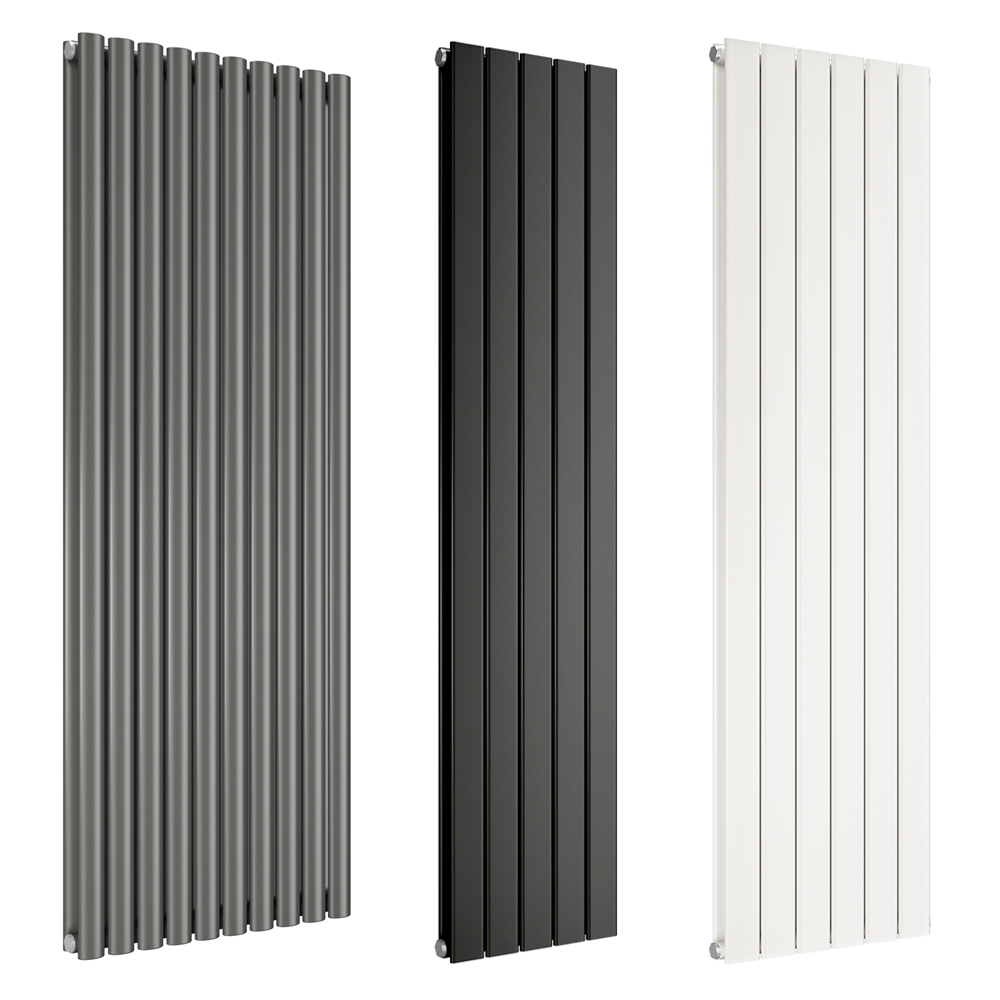
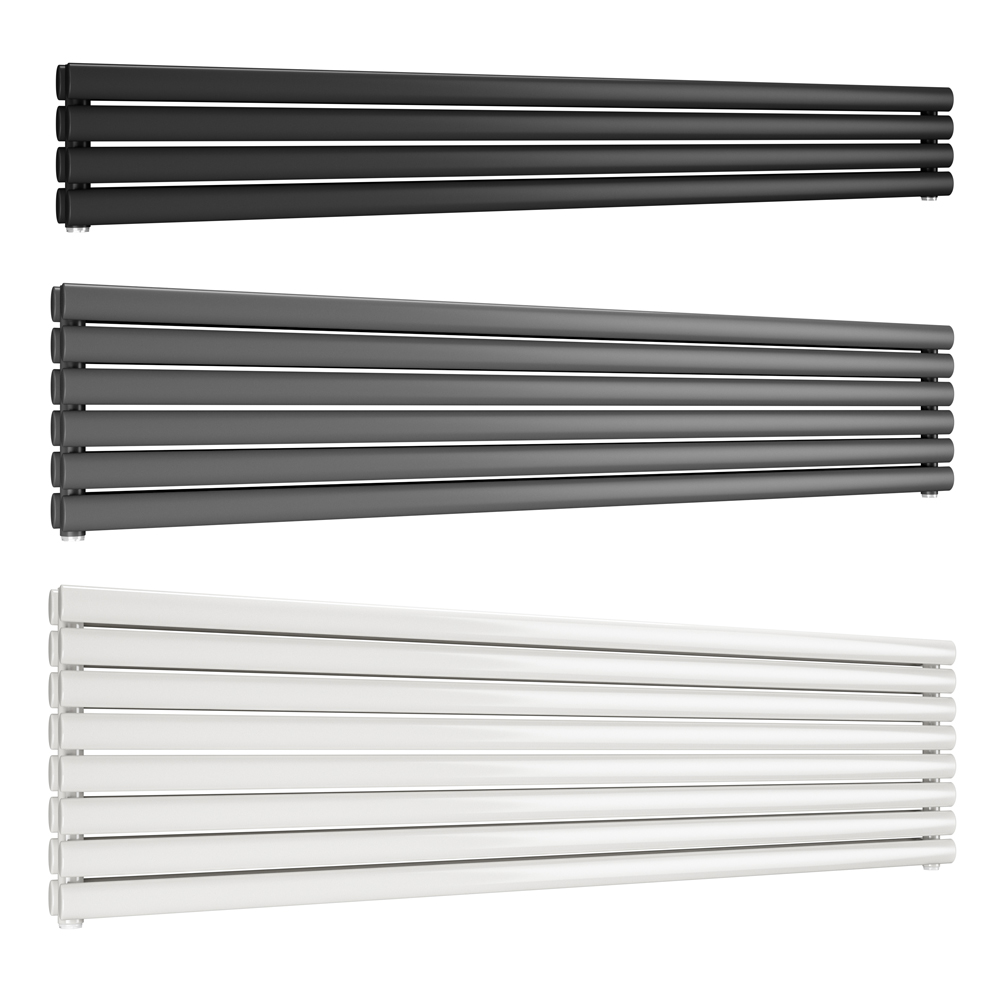
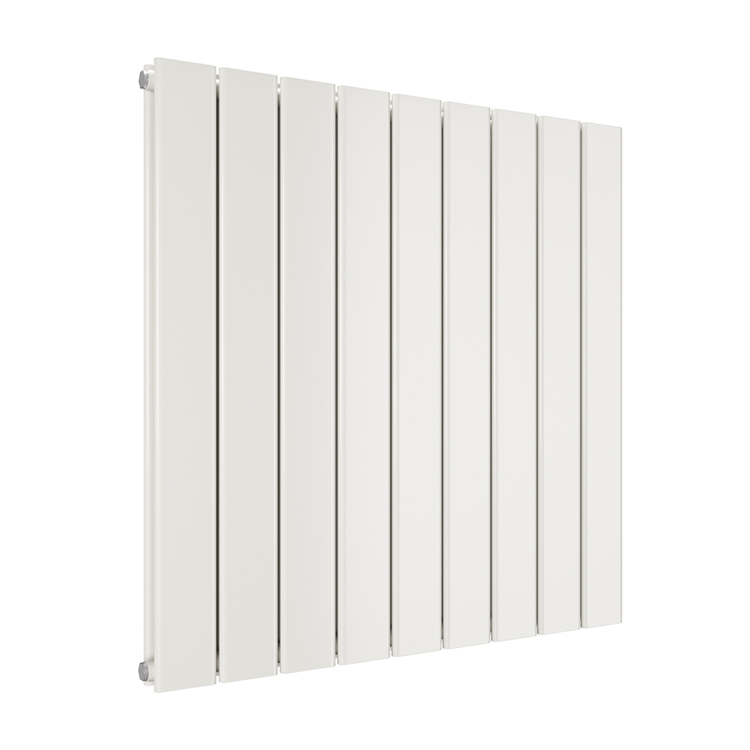
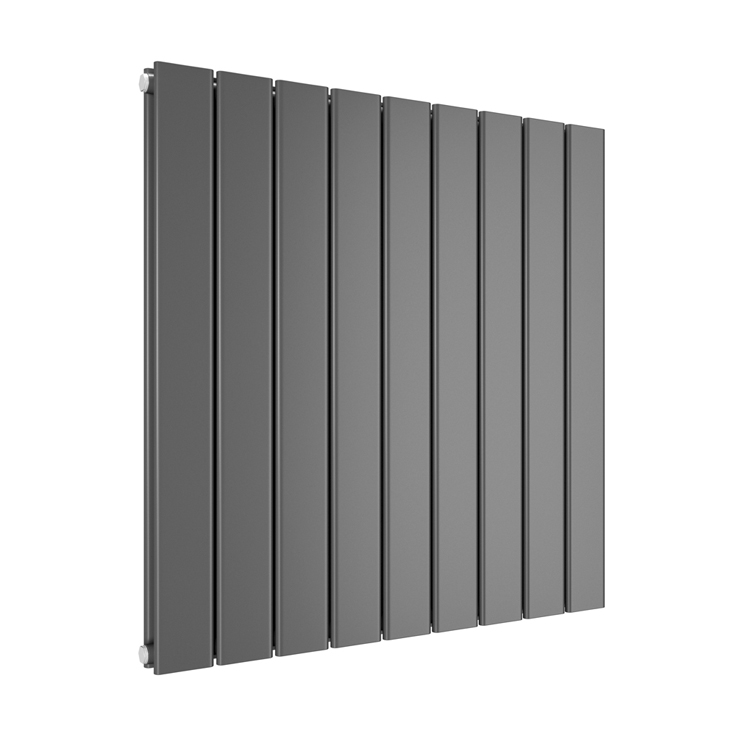
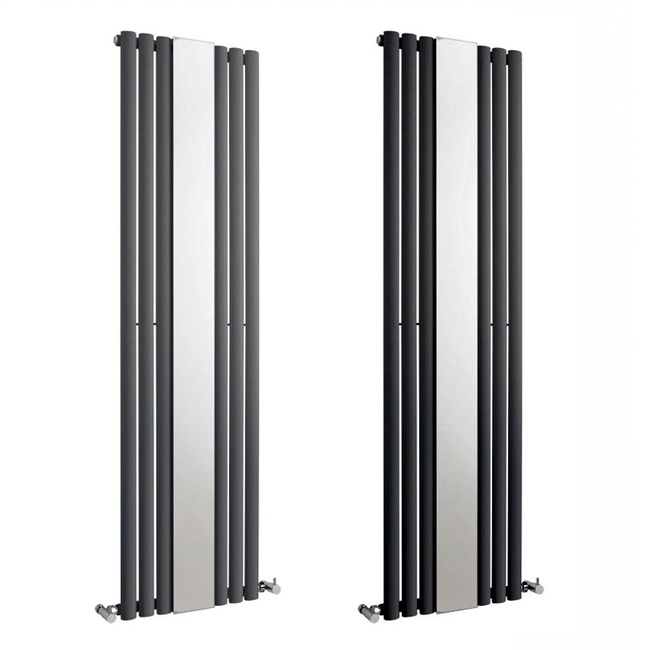
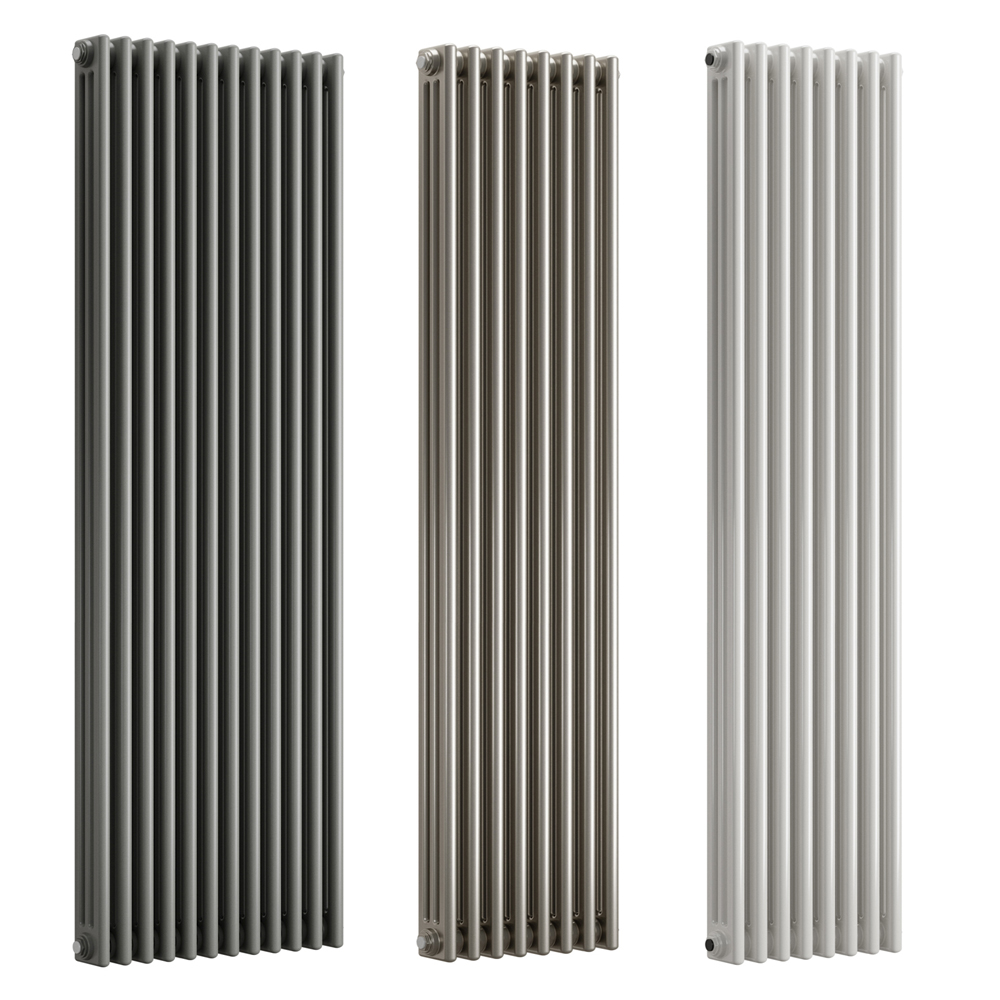
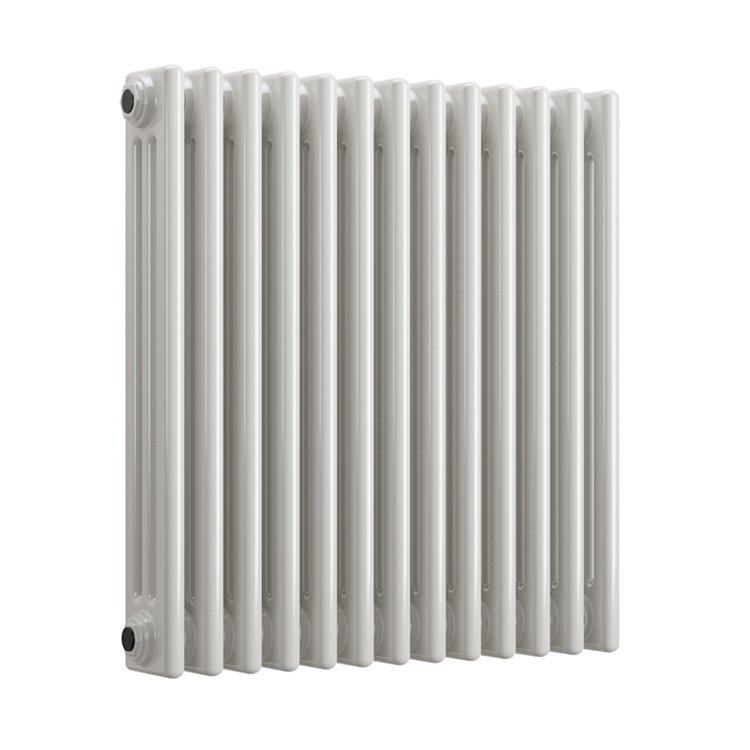
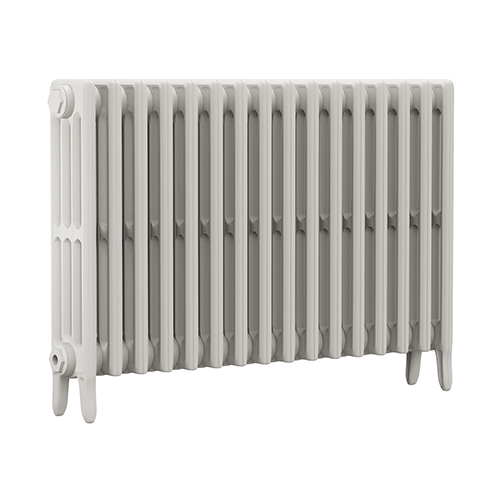
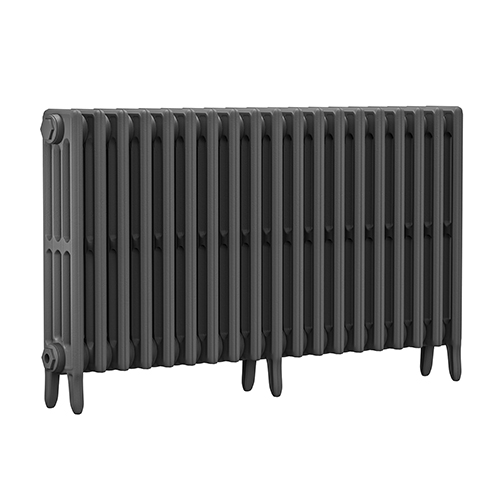
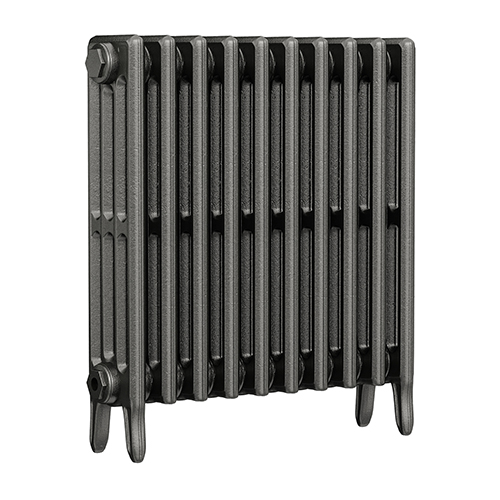
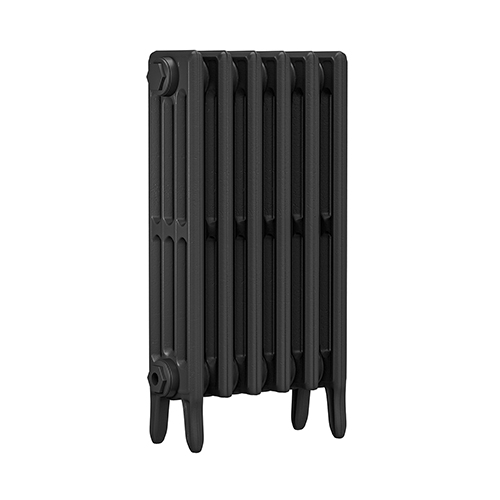
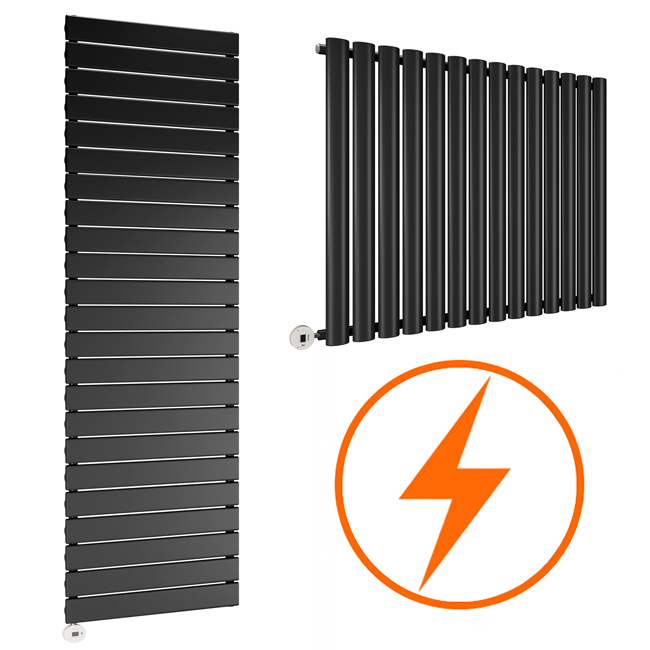
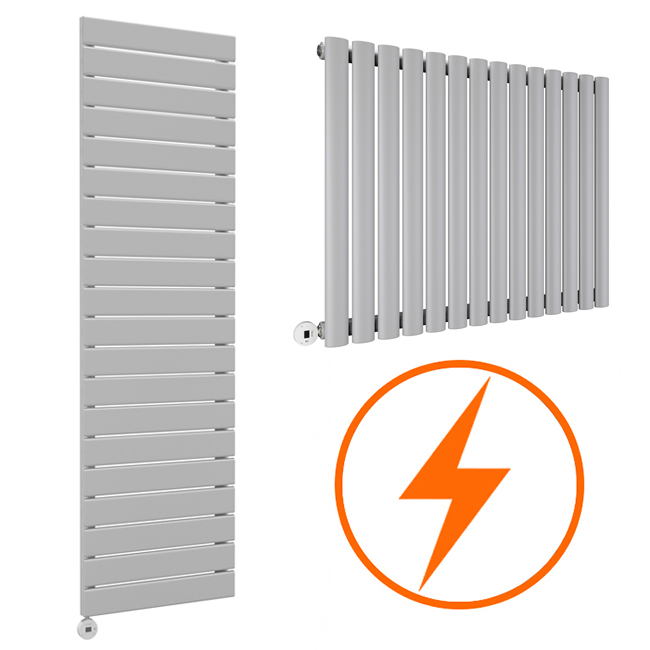
Underfloor heating can transform how your kitchen feels, but many homes still use radiators elsewhere to complete the comfort picture, especially in adjoining dining areas, hallways, utility rooms or open-plan zones where you want faster top-up heat or a design feature on the wall.
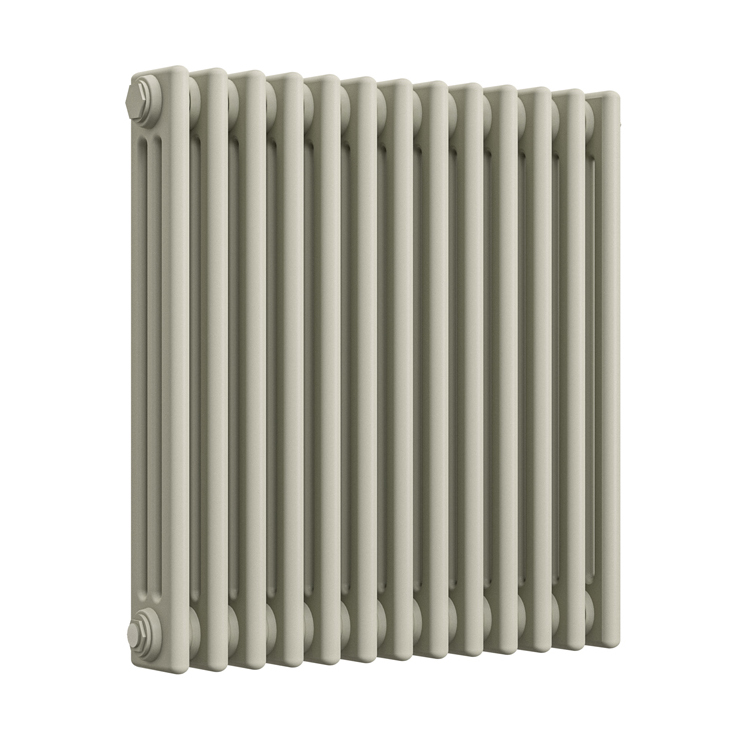
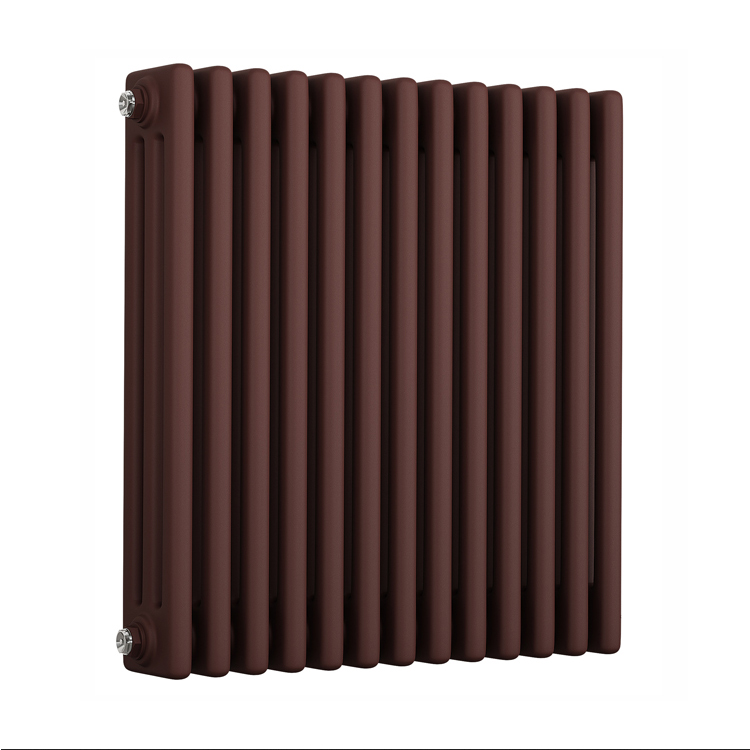
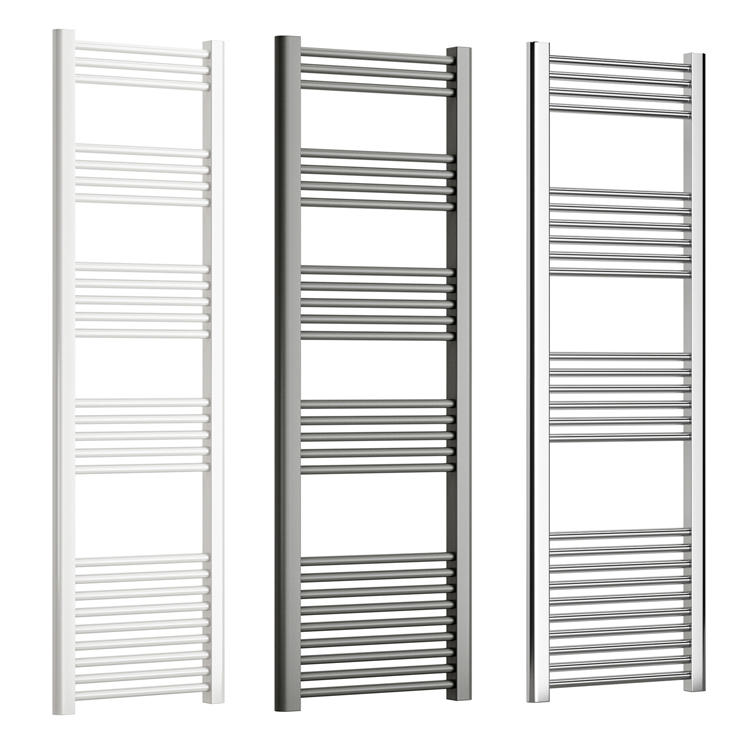
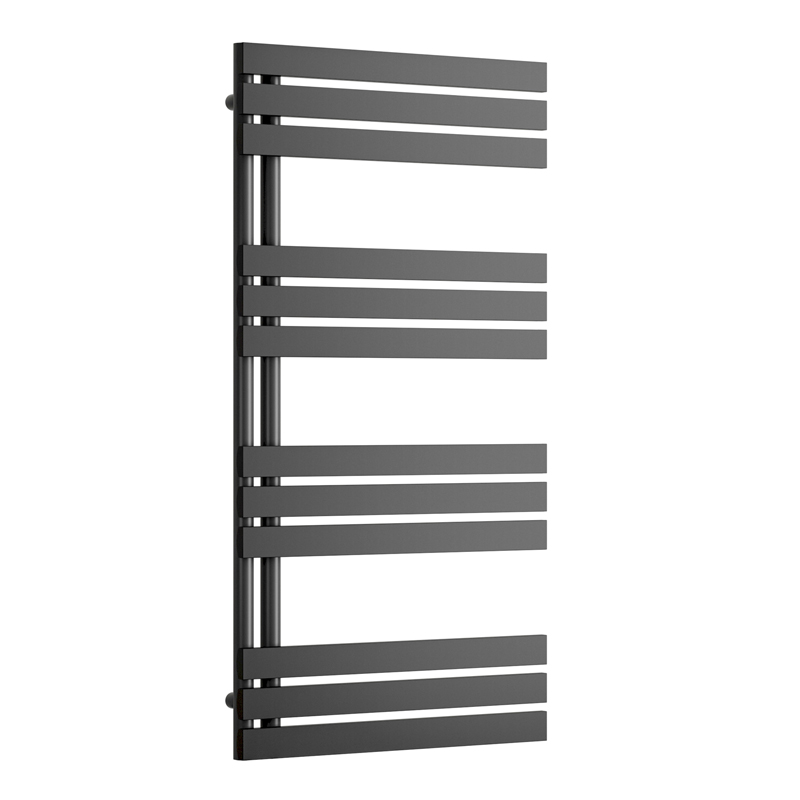
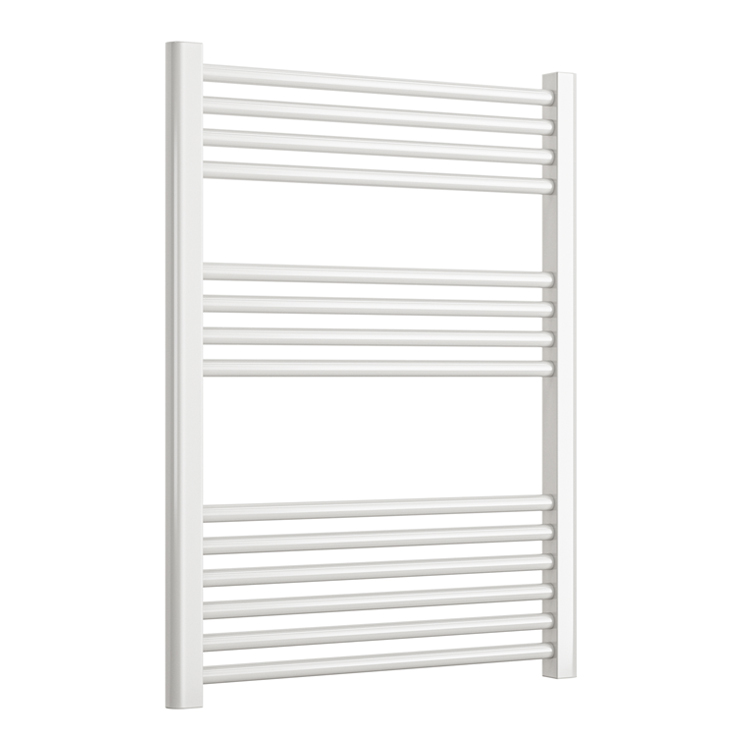
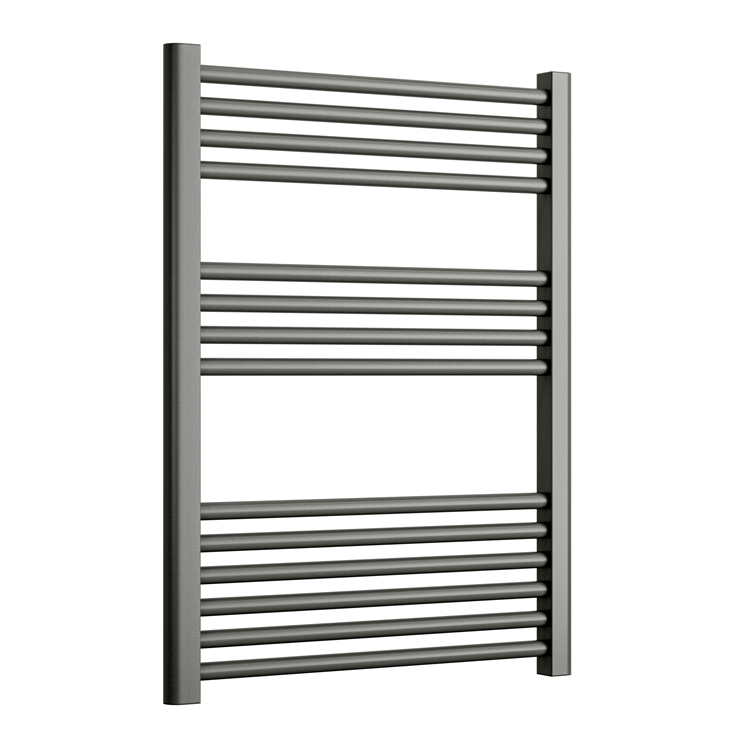
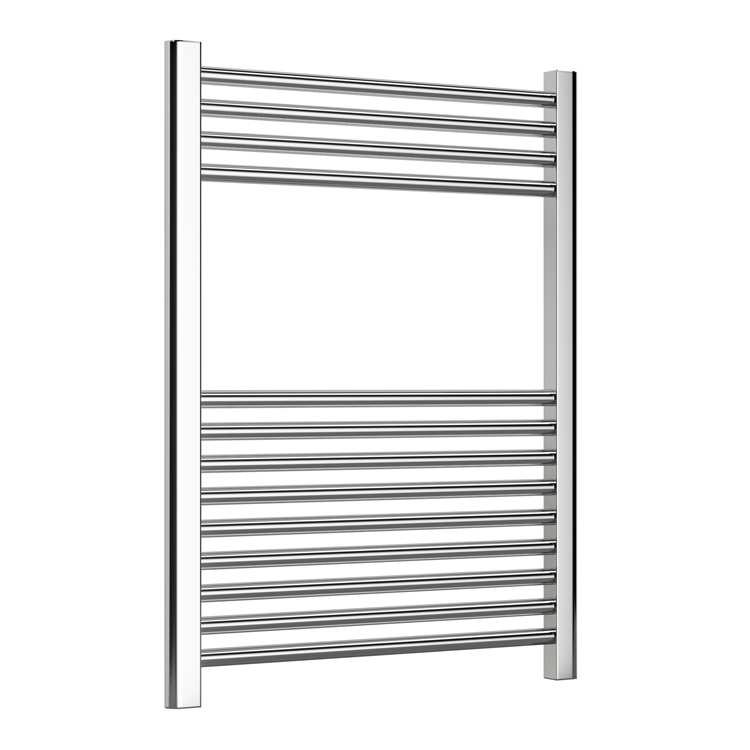
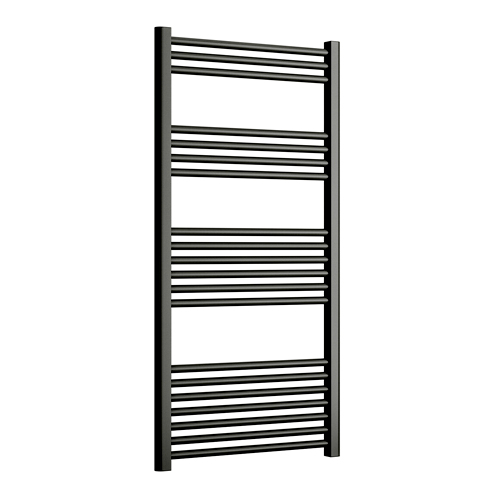
If you're planning a kitchen renovation and thinking about the bigger layout around it, now's a great time to refresh the rest of your heating too. Our large selection of radiators allows you to find a style that works with your new kitchen, whether that's sleek designer radiators for an open-plan space, practical wall radiators for busy family areas or something compact that keeps every inch working hard.
Kitchen underfloor heating fixes (and how to get it right)
'My kitchen floor is freezing, even when the heating's on'
If the air temperature is fine but the floor feels cold, that's usually because the heat is going into the room unevenly and the floor is acting like a cold sink. Underfloor heating changes that relationship: it gently warms the surface you're actually standing on, which often makes the whole room feel comfortable at a slightly lower air temperature.
To make that warmth feel quick and consistent, the "invisible" layer matters most: underfloor heating insulation. Insulation boards (or insulated panels within a low-profile system) reduce heat loss downwards and push warmth up into the room, which is especially important in kitchens over unheated spaces, suspended floors, or older slabs.
"I don't have a spare wall for a radiator"
This is one of the most common reasons people consider underfloor heating in a kitchen. Cabinets, tall units, sliding doors and glazing eat up wall space quickly and even when you can squeeze in a radiator, it's rarely where you want it. Underfloor heating gives you freedom back; your layout can be led by how you use the kitchen, not where a radiator can physically fit.
It's also a cleaner look, which is why underfloor heating is so often paired with modern kitchen design trends and large-format tiles. Porcelain and ceramic are frequently highlighted as strong flooring partners for underfloor heating because they conduct heat well, while engineered wood is also commonly used when it's specified correctly for underfloor heating.
"Parts of the kitchen are warm, but the area by the doors is always cold"
Kitchens often have cold spots: near external doors, under roof lanterns, beside glazing or where an extension meets an older part of the house. Underfloor heating can help, but only if it's designed to match the room's heat loss. This is where zoning and controls matter. A kitchen that's open to a dining area might need separate control so you can keep the kitchen comfortable when you're cooking, without overheating the rest of the open-plan space.
A well-set-up system will usually use dedicated underfloor heating thermostats, often with a floor sensor. A floor sensor is particularly useful in kitchens because it helps protect certain floor finishes by limiting floor temperature, while still letting you maintain a comfortable room temperature.
"I'm worried about putting heating under cabinets and appliances"
You're right to think about it. In kitchens, you don't normally heat the entire floor area as one big sheet. The layout needs to avoid zones under fixed cabinetry and heavy appliances because they can block heat transfer and create inefficiencies (and in some cases may cause issues for the items above).