Need Radiators FAST?

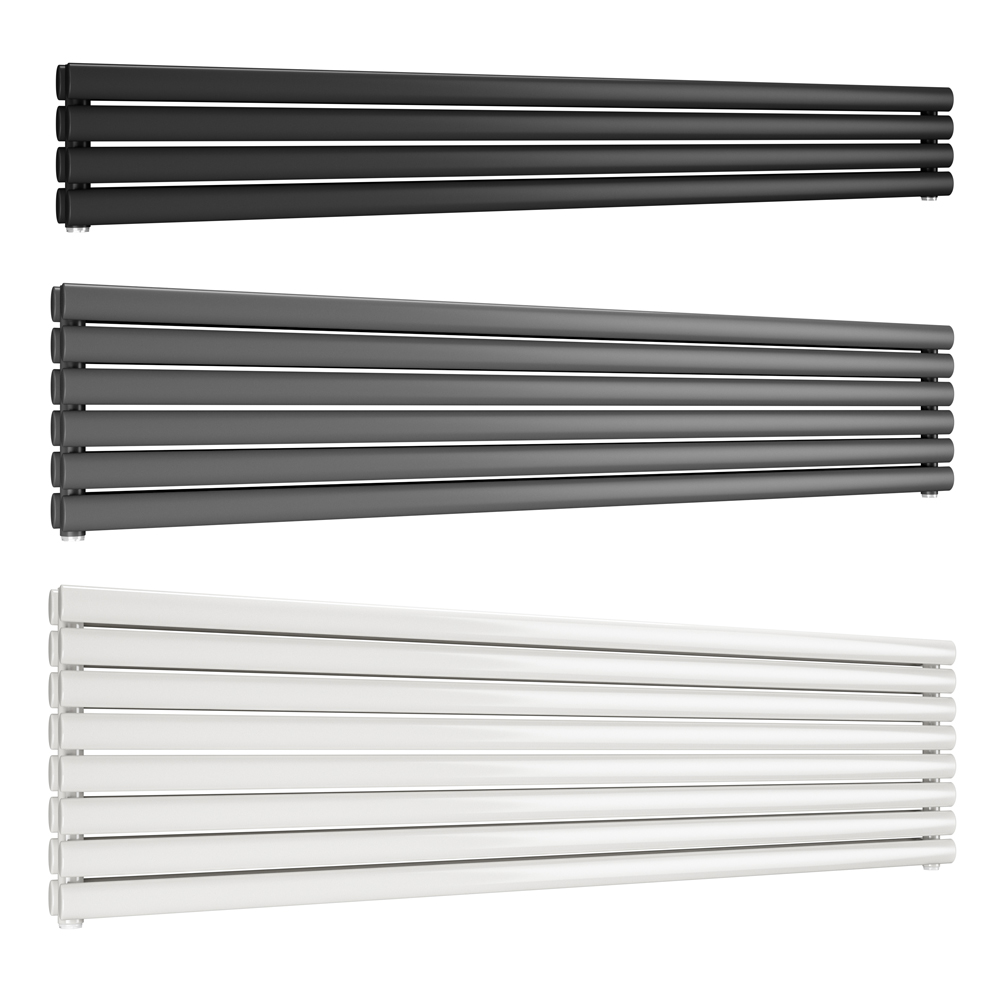
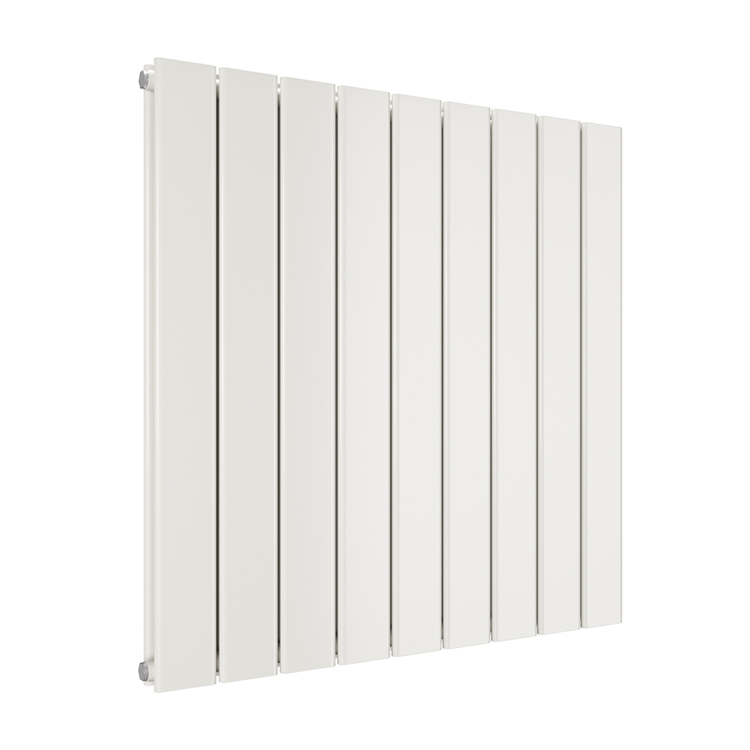
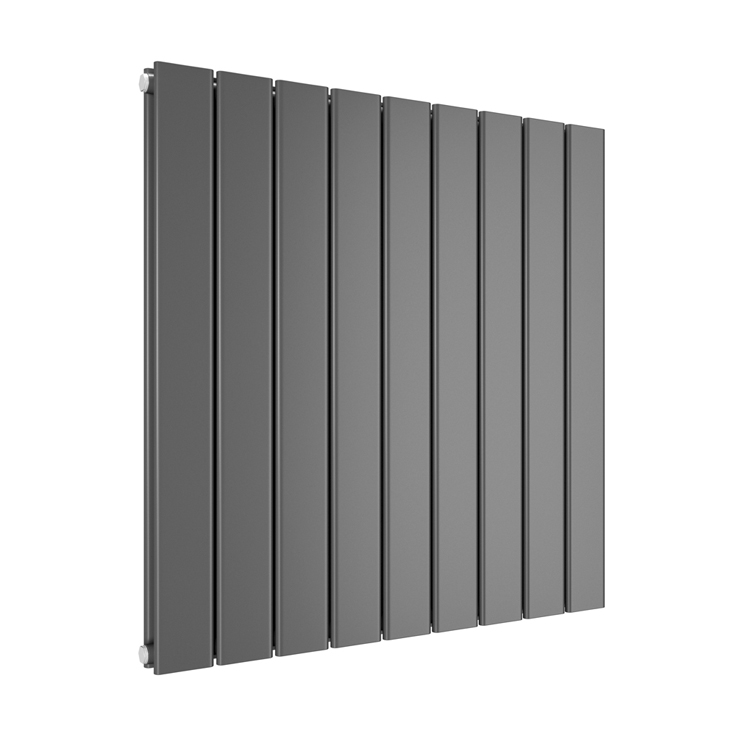
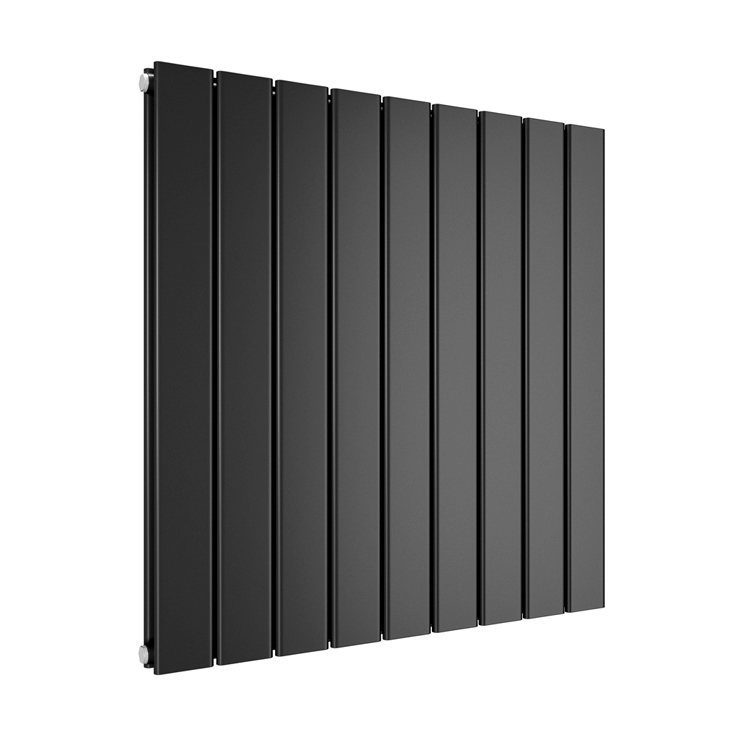
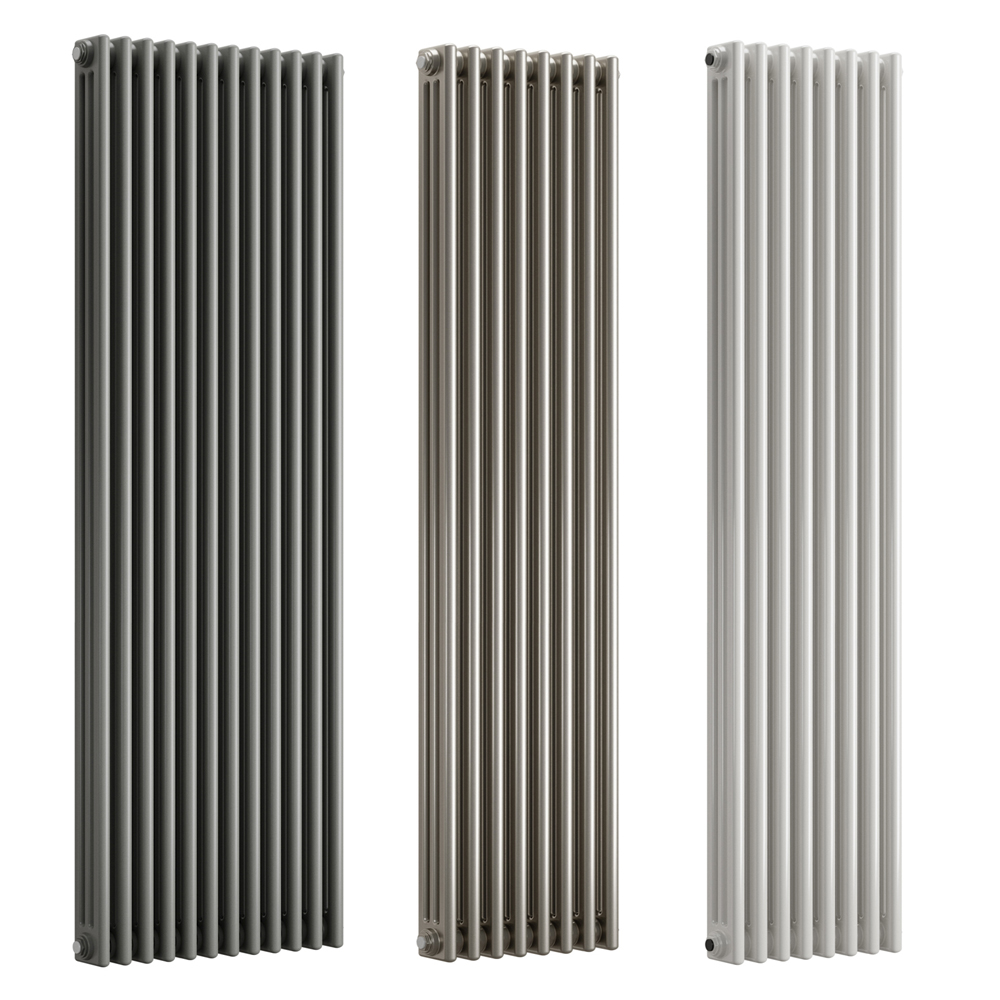
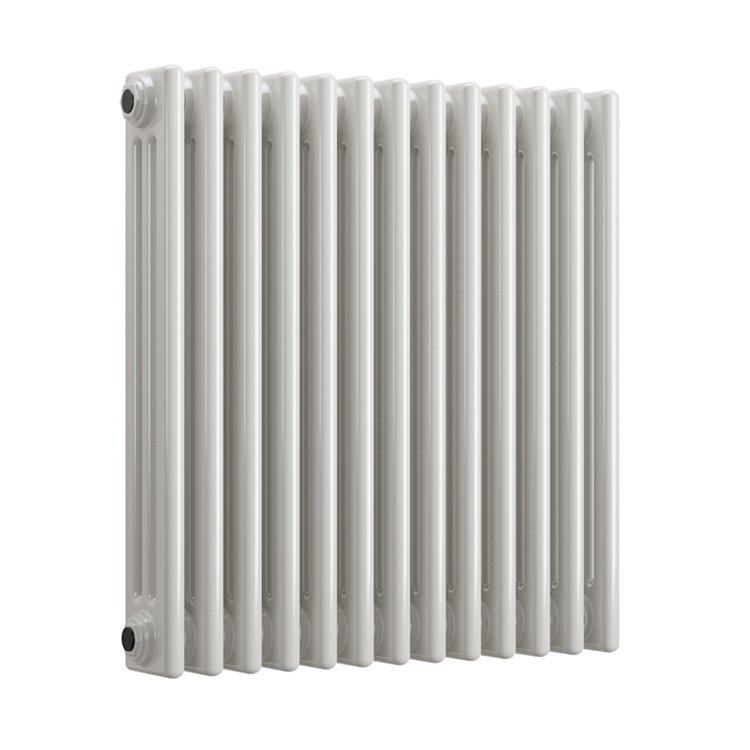
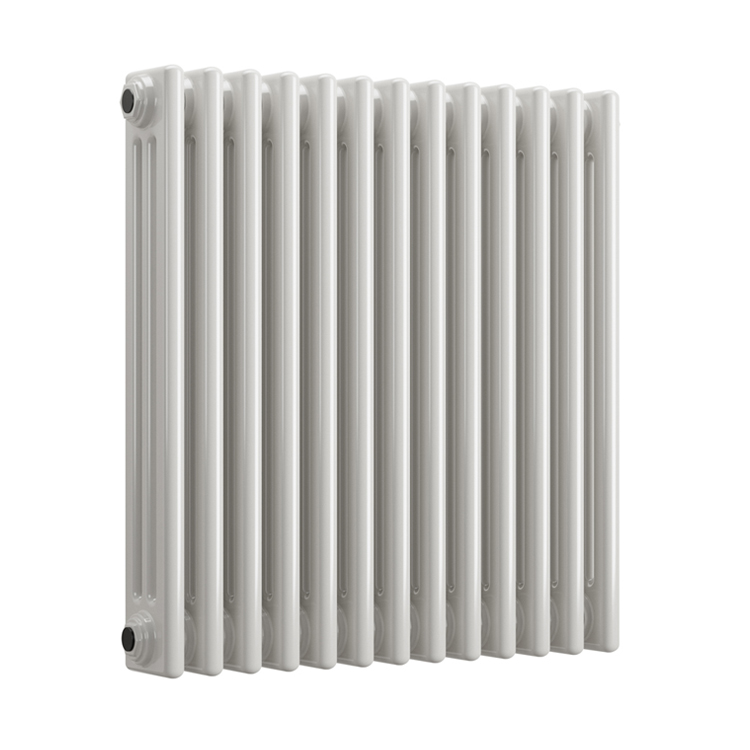
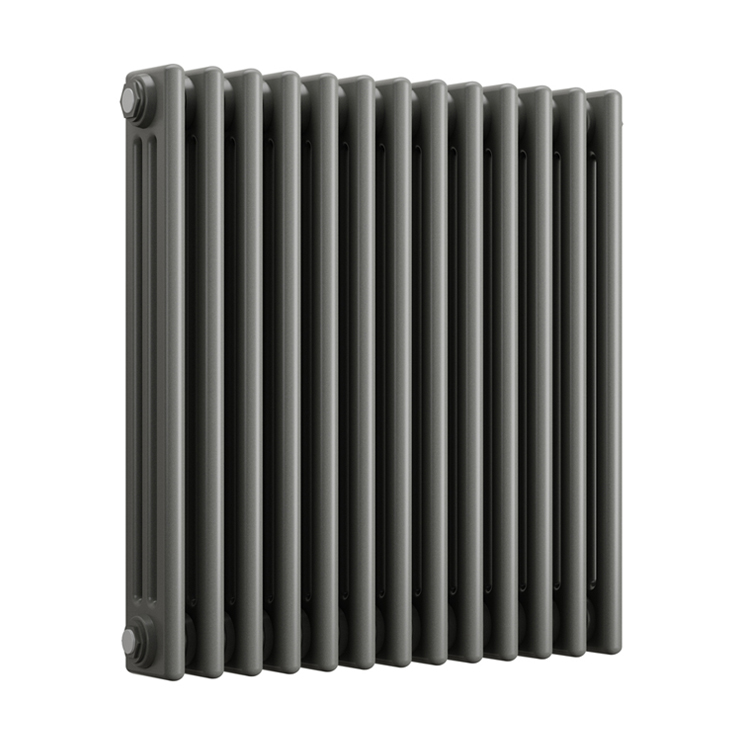
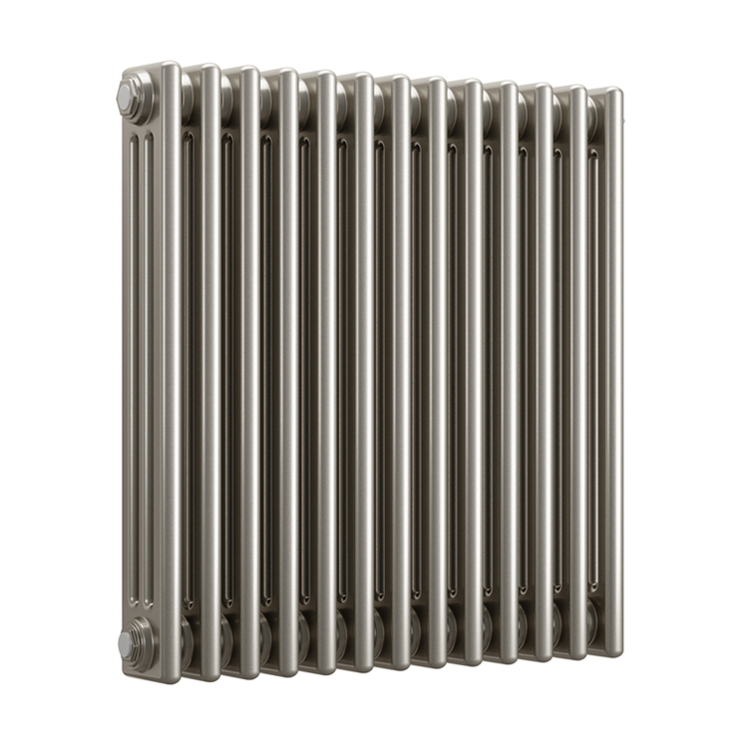
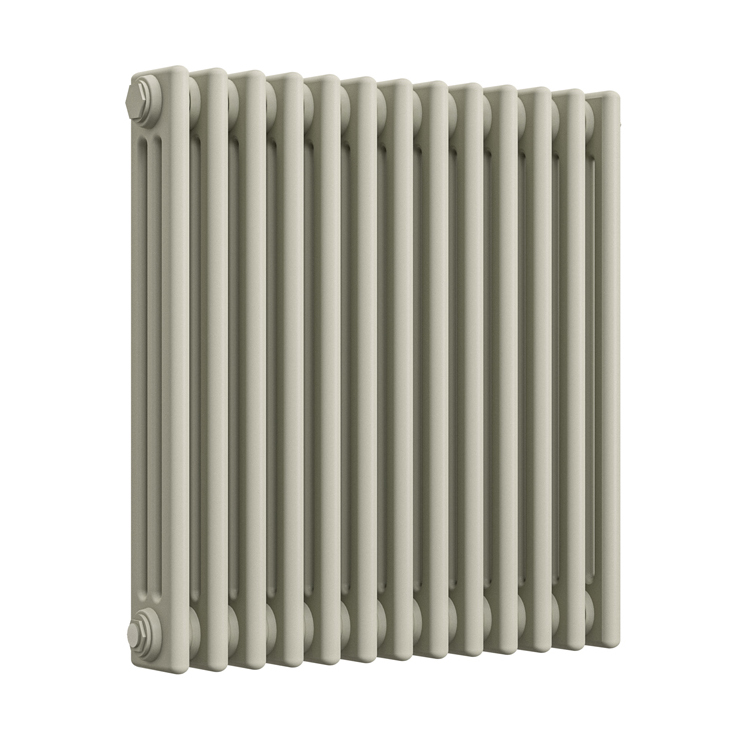
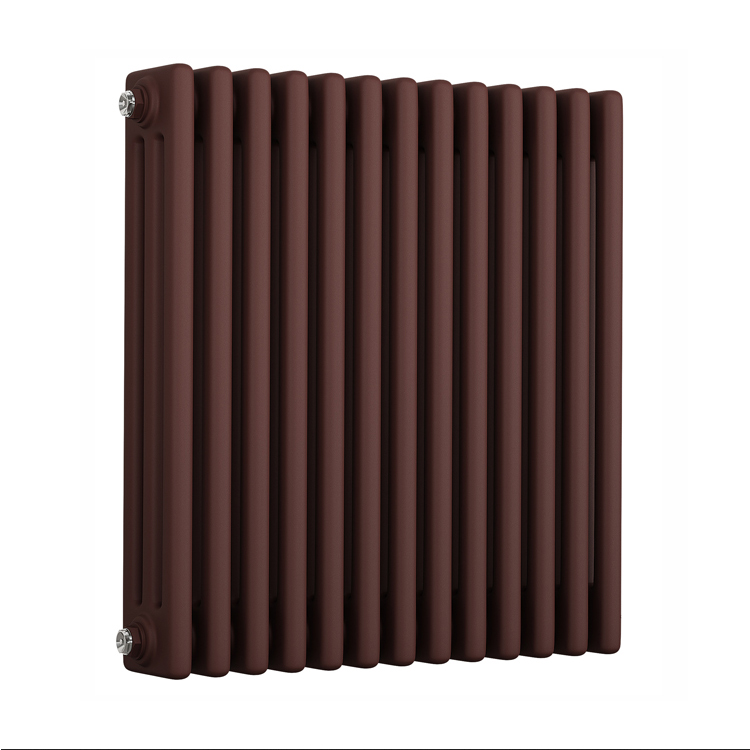
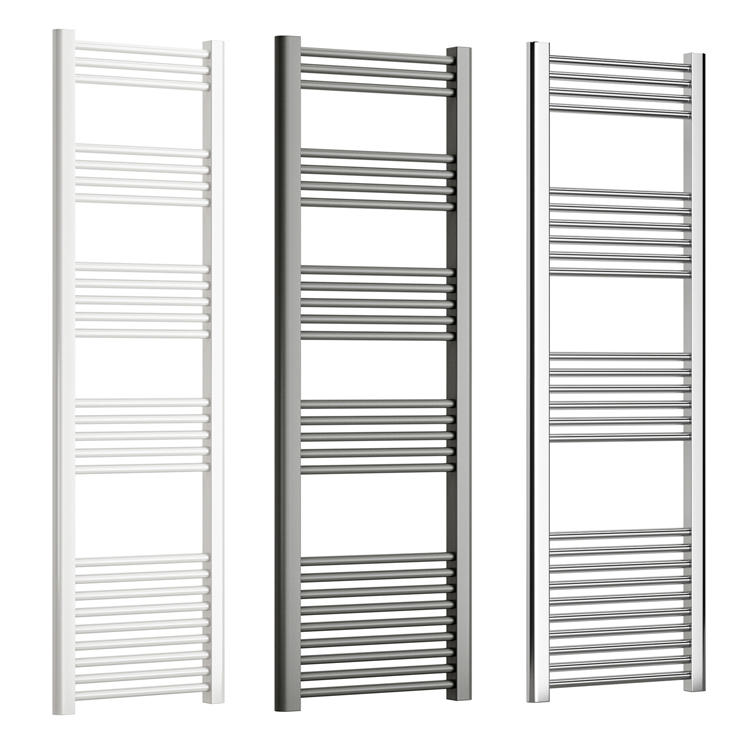
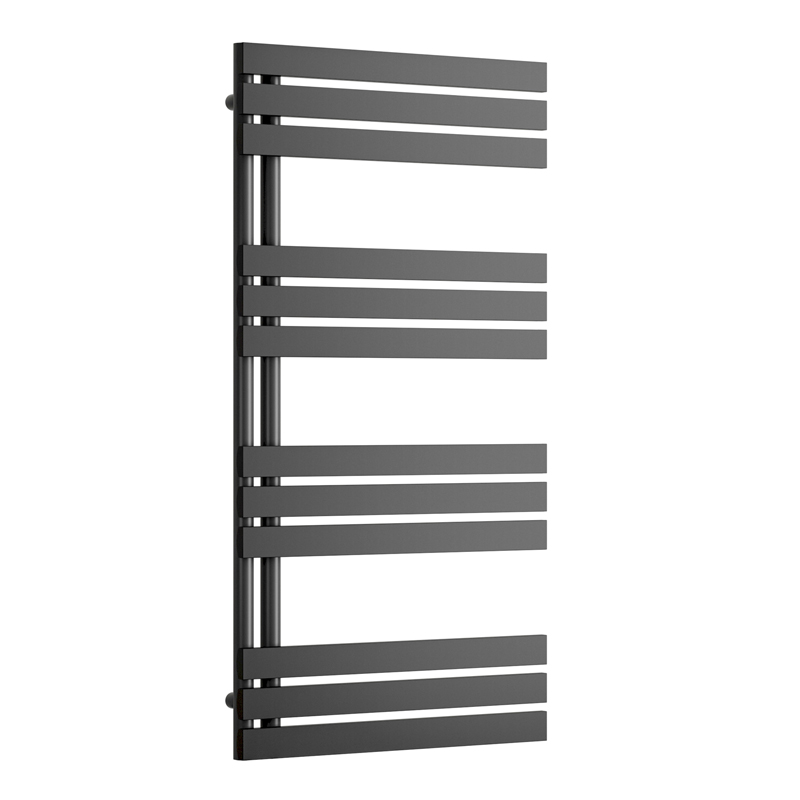
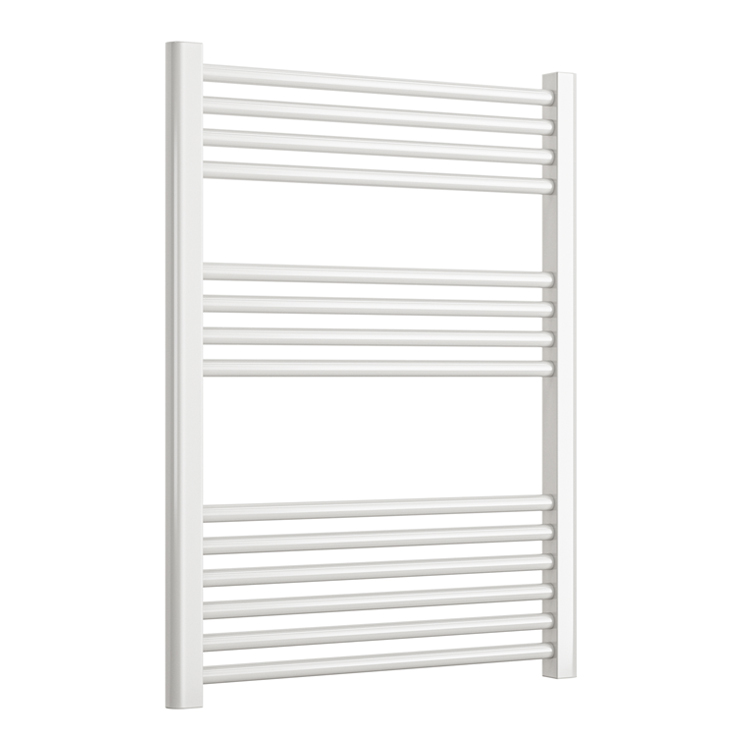
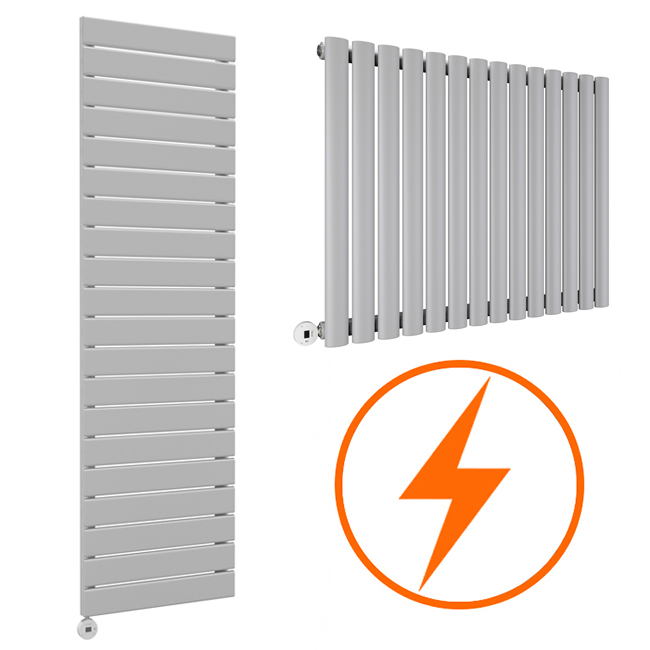


The material you choose for your new radiator affects how your heating works, how the radiator looks in your room and how well it fits your lifestyle. Whether you are updating a period home, renovating a bathroom or replacing old radiators with something more stylish, knowing about radiator materials can help you make a better decision.
Most homeowners choose between three main types: steel, aluminium and cast iron radiators. Each has its own benefits and there is no single best option for every home. Some radiators heat up quickly and suit modern homes, while others keep warmth longer and fit traditional spaces. Some look slim and light, while others add character and a solid feel to a room.
The right choice depends on a mix of practical and aesthetic factors. You may be thinking about heat output, energy efficiency, budget or how the radiator will sit alongside your décor. You may also be comparing designer radiators, column radiators or bathroom radiators and wondering how material affects those styles. Once you understand the differences, it becomes much easier to narrow down the options and choose a radiator that feels right for both your home and your taste.
Does radiator material really make a difference?
Yes! At first glance, many radiators seem similar – they all serve the same purpose, after all. Yet the material influences several important things, including how quickly the radiator warms up, how long it stays warm after the heating goes off, how heavy it is and what kinds of shapes and finishes are possible.
Heat-up time is a big factor in everyday comfort. Some radiator materials respond quickly, which can be useful if you want to warm a room fast in the morning or only heat certain spaces at particular times of day. Others take longer to reach temperature but retain heat for longer, which can create a steadier, more lingering warmth.
Suitability varies from property to property. A compact new-build flat, a Victorian terrace, a family bathroom and a large open-plan kitchen all place different demands on heating. The material you choose should support the way the room is used as well as the style you want to create.
Steel radiators: versatile and stylish
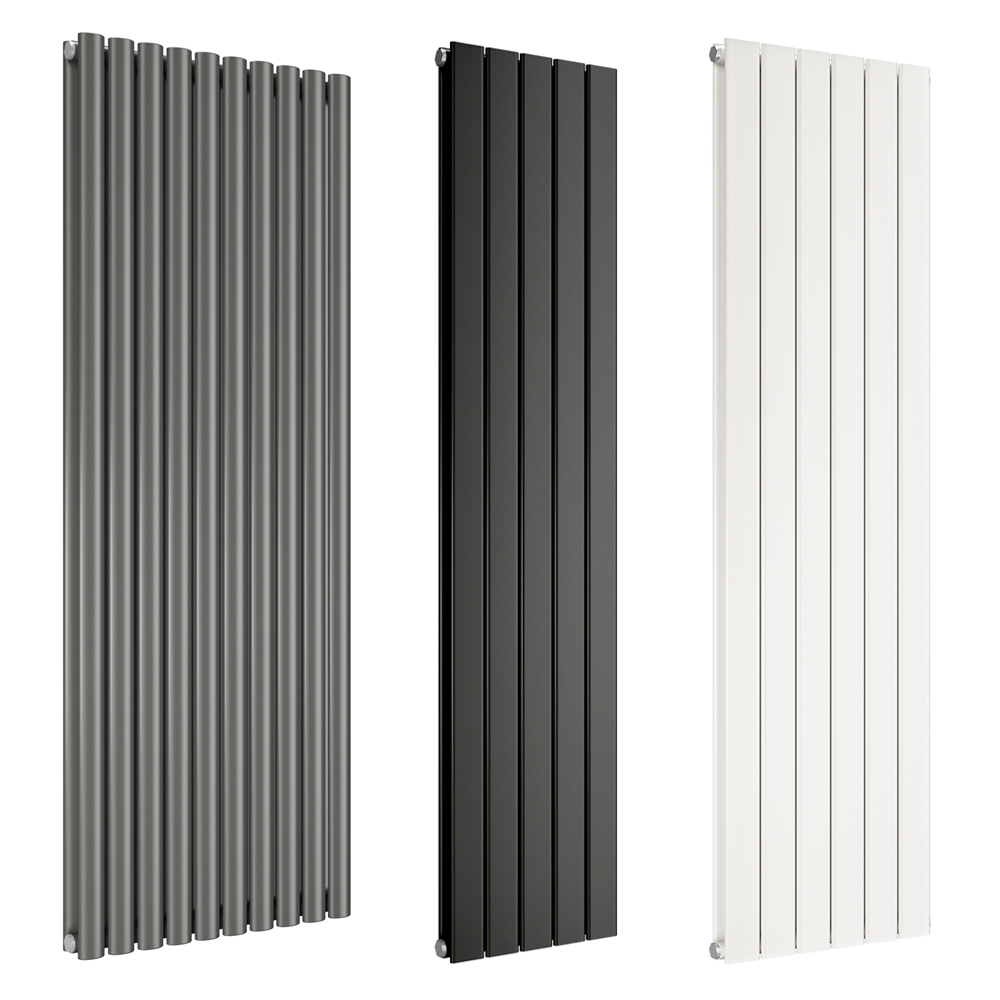
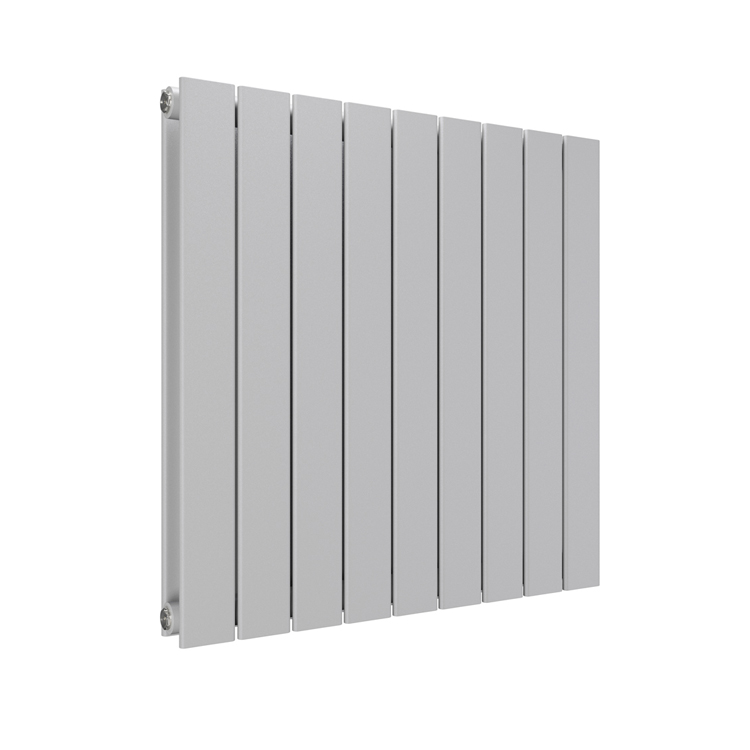
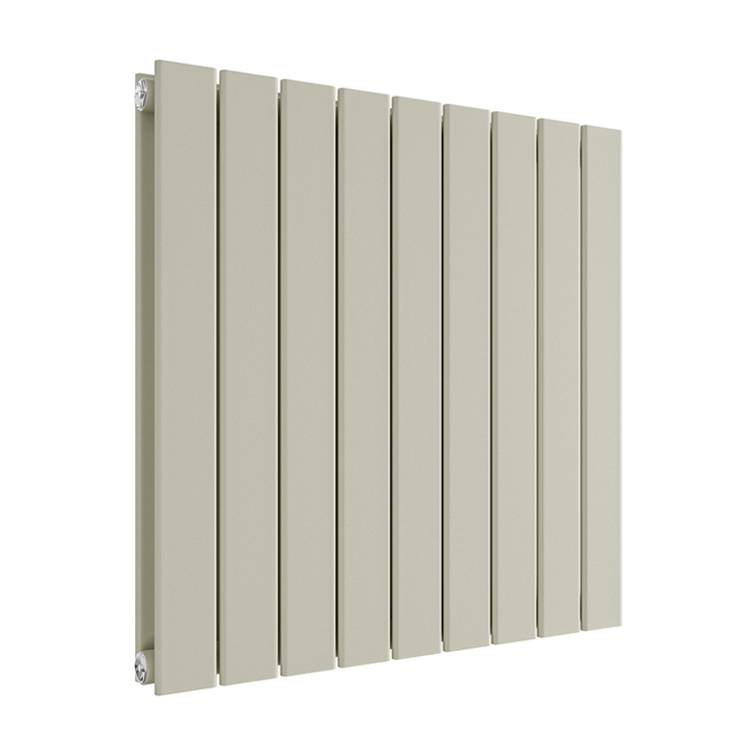
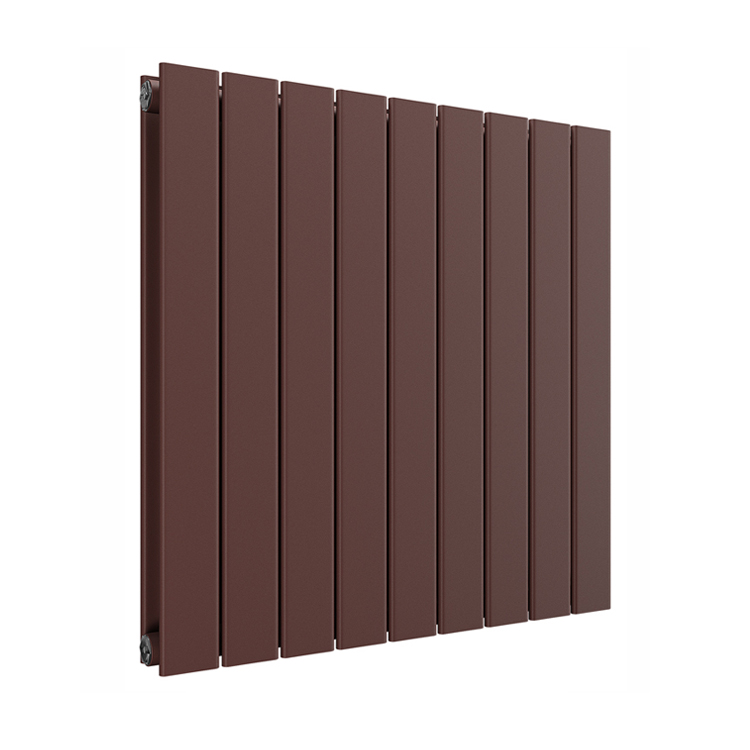
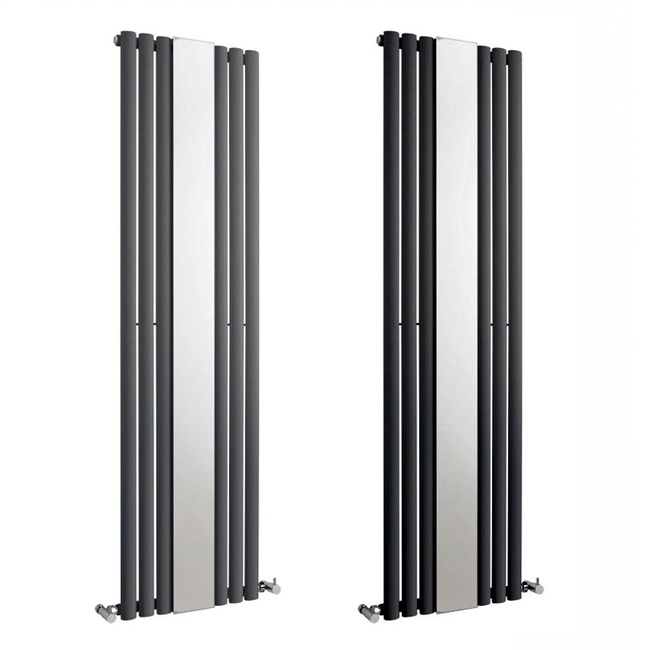
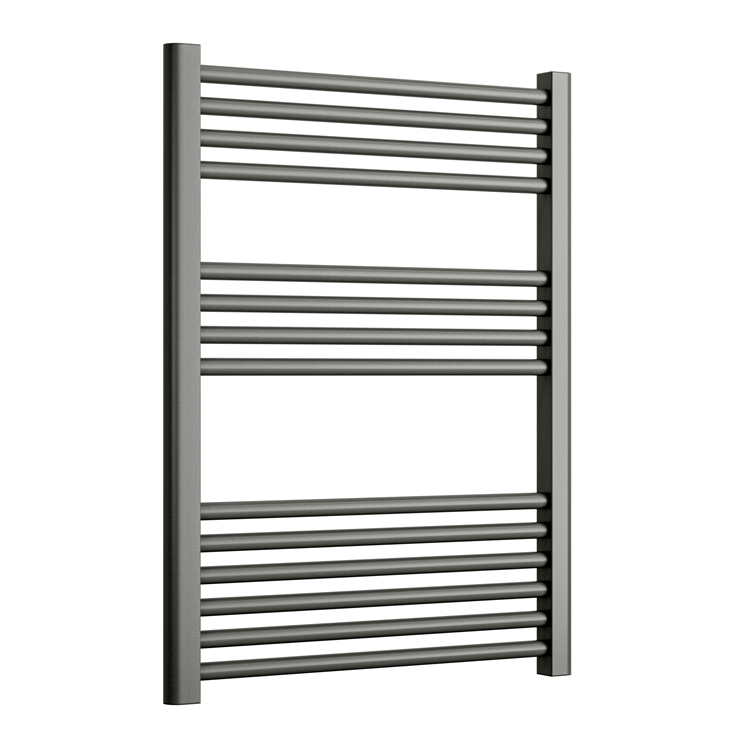
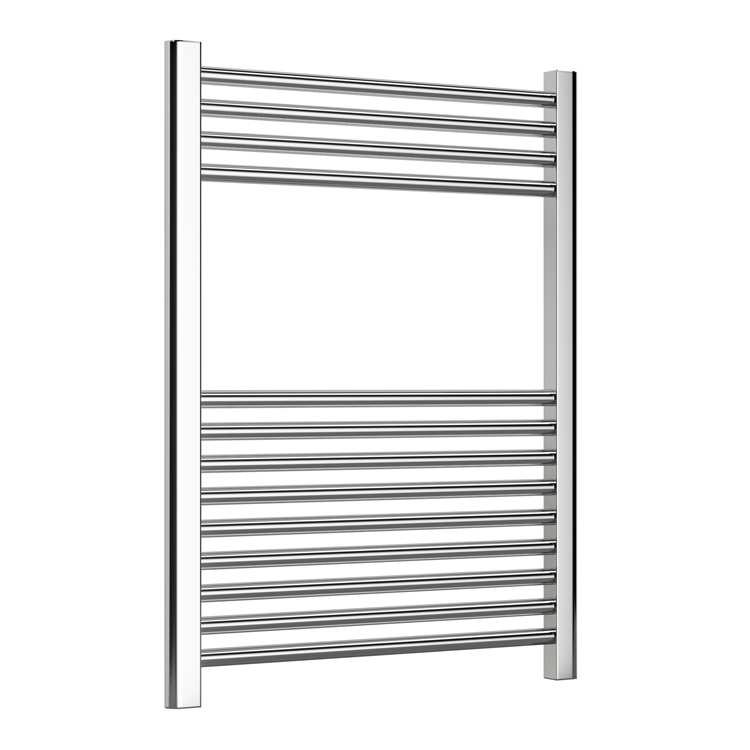
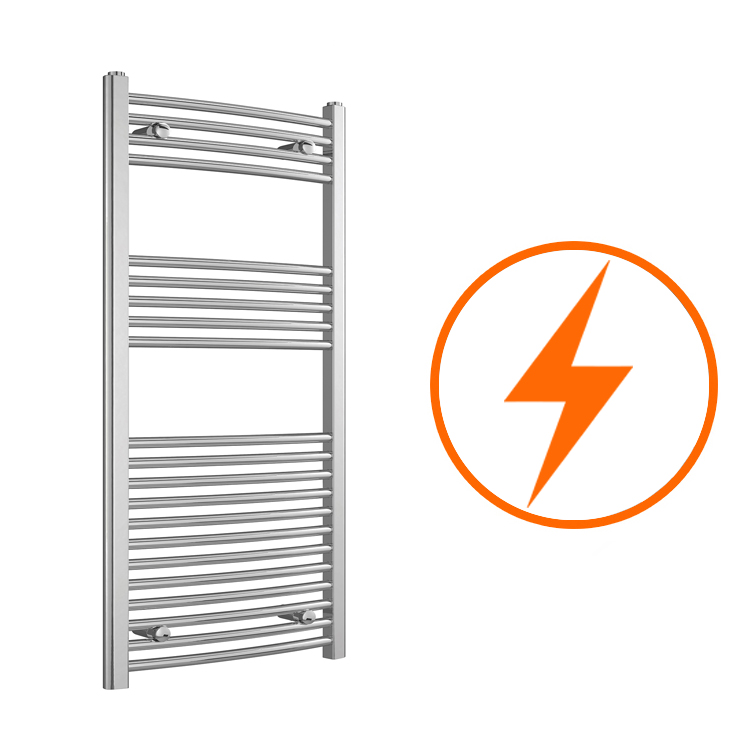
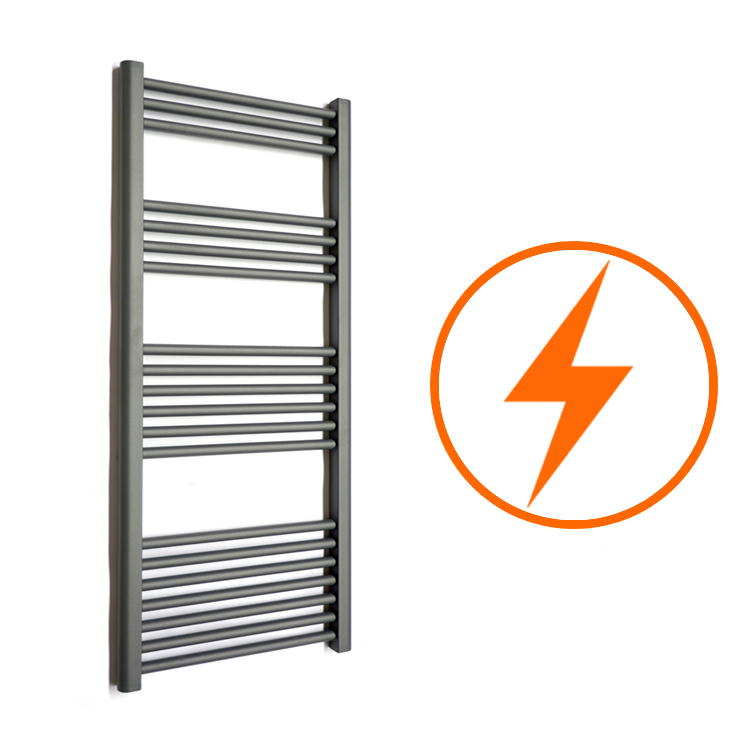
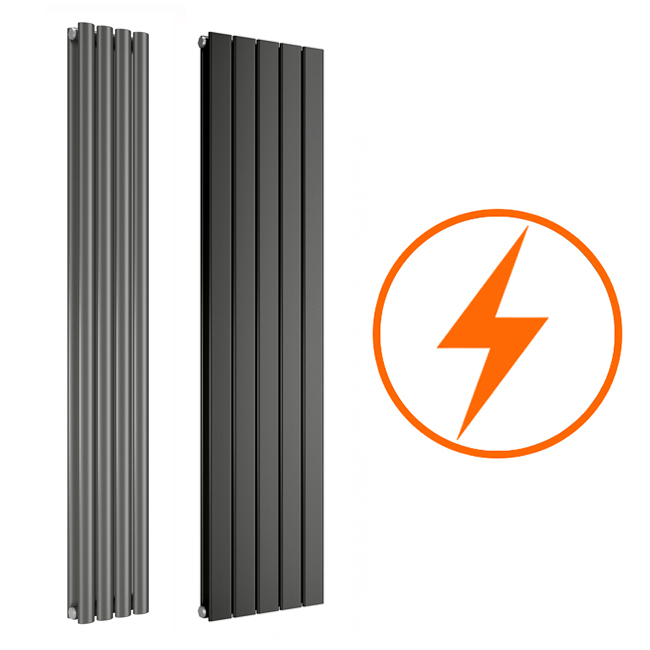
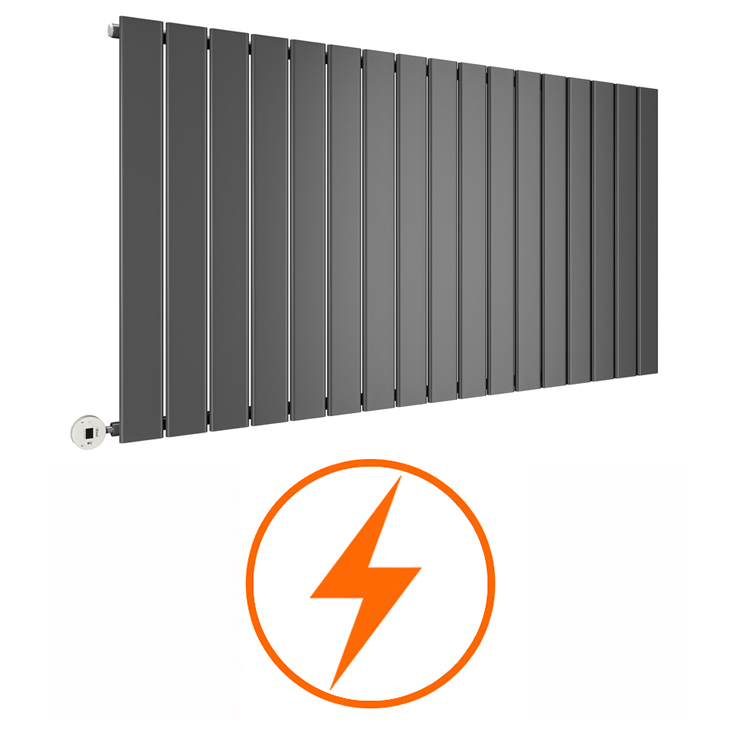
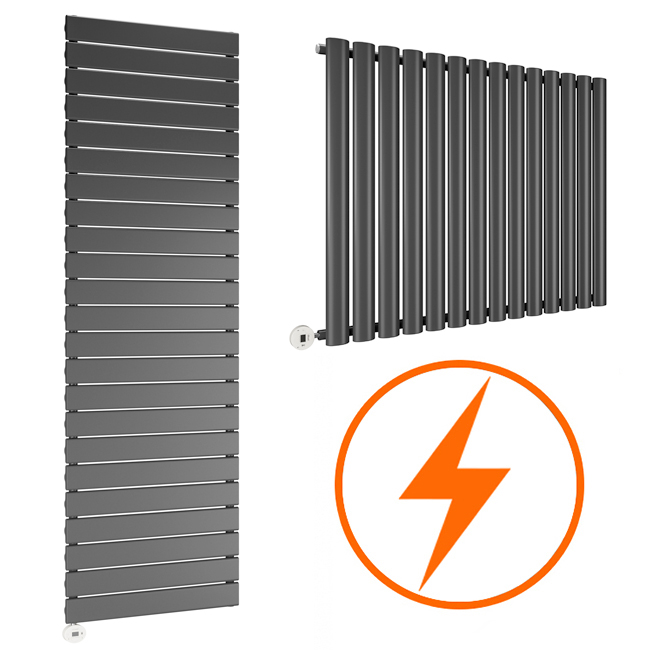
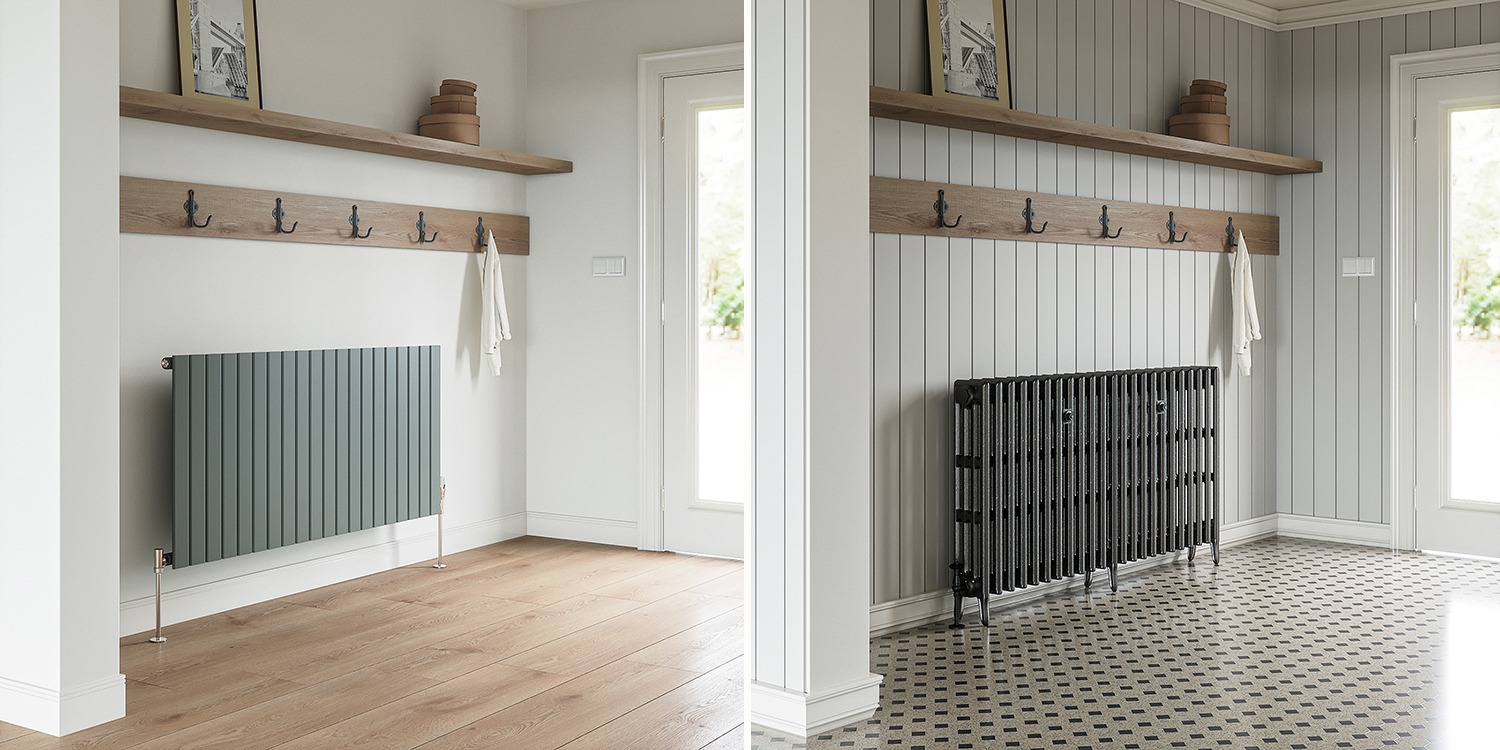
Steel radiators are one of the most popular choices in homes, as they offer a very good balance of affordability, performance and design flexibility. A lot of modern designer radiators are now made from steel, with their main advantage being their versatility. Steel can be shaped into a wide range of sizes and styles, from slim horizontal panels to tall vertical radiators that make a feature of unused wall space. That makes steel a strong choice for homeowners who want plenty of visual options without stretching the budget too far.
In practical terms, steel radiators generally heat up reasonably quickly and deliver dependable heat output. They do not usually retain warmth for as long as cast iron radiators, but they perform well in everyday central heating systems and suit the way many households use their heating. If you want a radiator that feels responsive, reliable and easy to match with the rest of your interior, steel is often the obvious place to start.
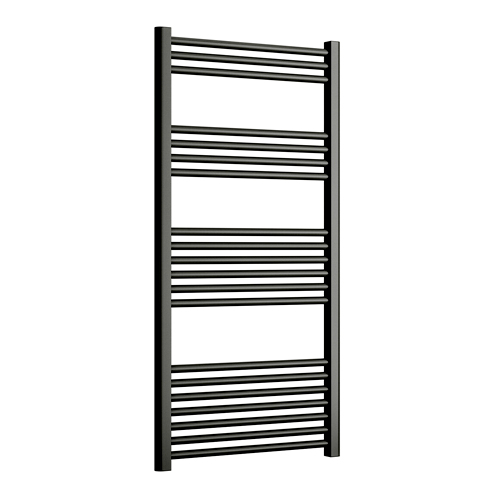
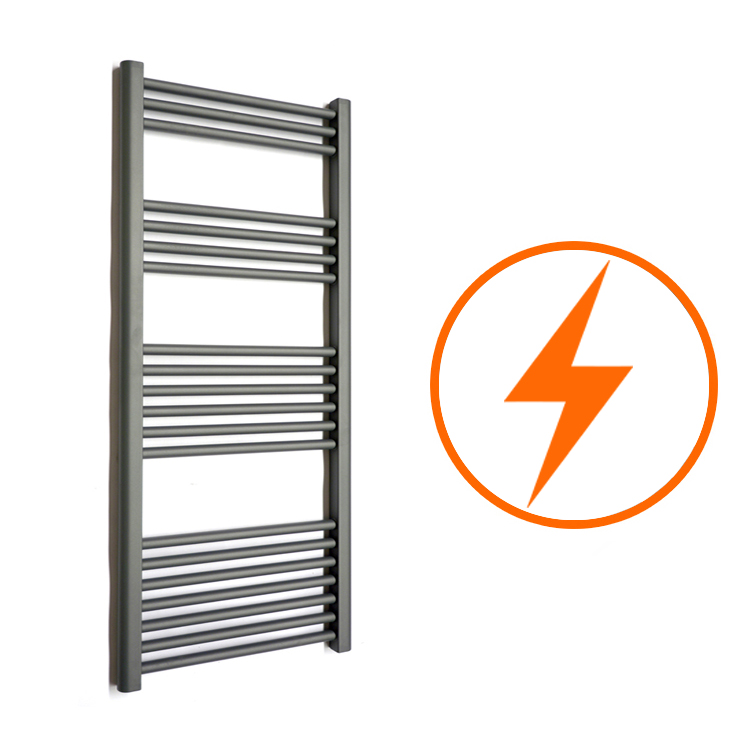
Style-wise, steel works particularly well in contemporary spaces. Clean lines, matt finishes, anthracite tones and minimalist profiles all sit comfortably within a modern scheme. At the same time, steel is not limited to ultra-modern looks. Many column radiators are made from steel, giving you a more classic, architectural appearance with a slightly lighter and more practical build than traditional cast iron.
Steel also tends to be a sensible choice for living rooms, bedrooms, hallways and kitchens where you want an attractive design without overcomplicating the buying decision. For many shoppers, it is the material that offers the easiest route to combining style and value.
Aluminium radiators: quick to respond and ideal for modern living
Aluminium radiators have become increasingly popular with homeowners looking for speed, efficiency and a more contemporary feel. They are especially appealing if you want a radiator that heats up quickly and responds well to changing thermostat settings.
Because aluminium is highly conductive, these radiators warm up fast and begin pushing heat into the room sooner than heavier materials. That can be a real advantage in busy homes where heating is used more strategically. If you prefer to heat rooms when needed rather than keeping the whole house warm all day, aluminium radiators can suit that lifestyle very well.
This fast response can also support energy efficiency in the wider sense of how your home uses heat. A radiator that reaches temperature quickly may help create comfort sooner, particularly in spaces you use at specific times, such as home offices, kitchens or guest bedrooms. The exact savings will depend on the wider heating system and insulation levels, but aluminium is often associated with efficient, responsive performance.
Another advantage is weight. Aluminium radiators are lighter than cast iron and often lighter than comparable steel models, which can make them easier to handle during installation. Their lighter construction also contributes to a sleek, modern look that works well in minimalist interiors.
In terms of style, aluminium tends to feel very at home in clean, modern settings. It is a natural fit for streamlined designer radiators, particularly where a room calls for a crisp architectural finish rather than decorative detailing. If your home leans contemporary, Scandinavian, industrial or understated modern, aluminium can be a very strong match.
That said, aluminium may not always be the first choice for someone trying to create a deeply traditional look. It excels when the goal is modern radiators with strong performance and a lighter visual footprint, rather than heritage character.
Cast iron radiators: timeless character and long-lasting warmth

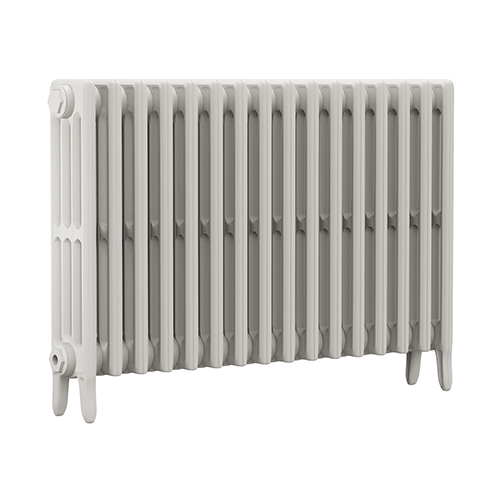
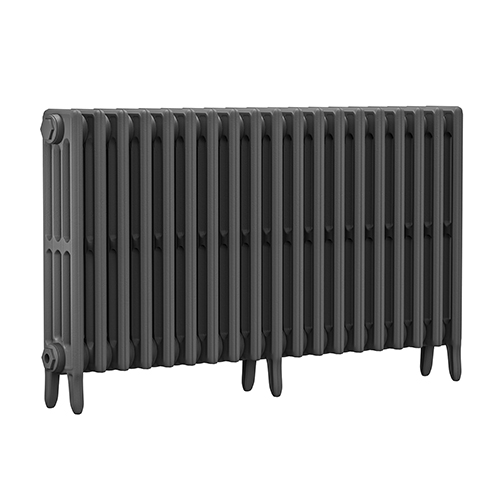
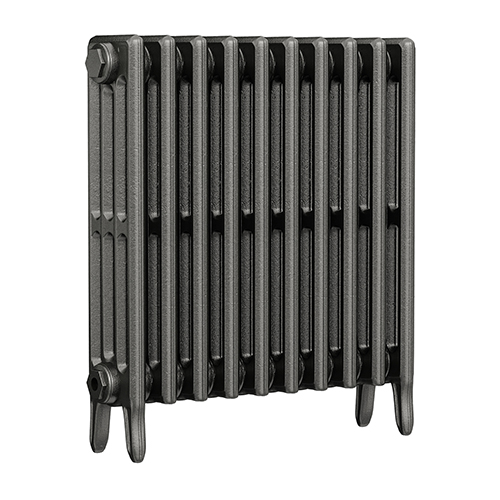
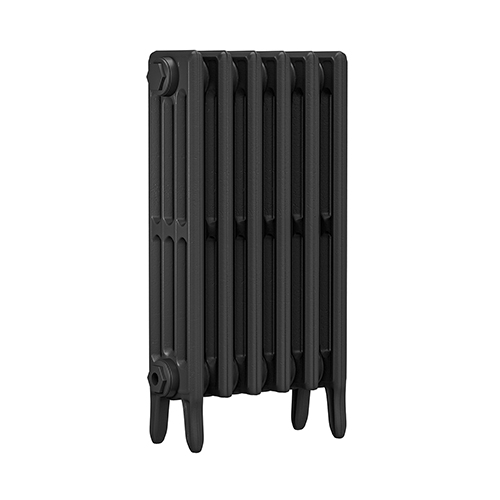
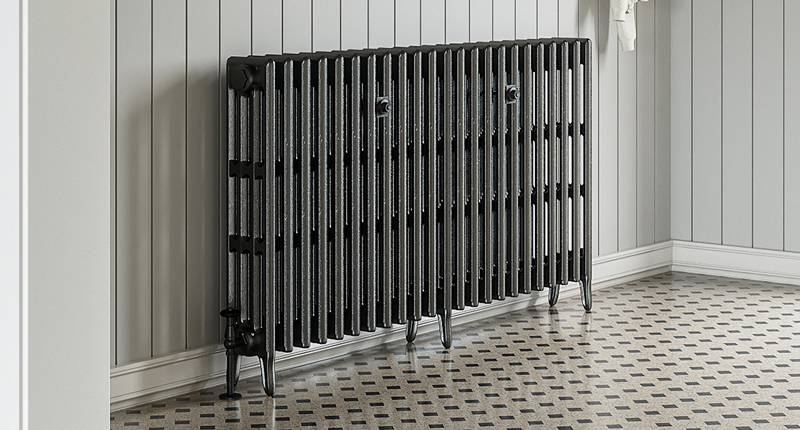
Cast iron radiators are particularly suited to period homes and character properties. They are best known for their classic looks, solid feel and excellent heat retention. If you are drawn to traditional radiators with presence and personality, cast iron radiators are often the ones that capture the imagination.
Unlike lighter materials, cast iron takes longer to heat up, but it also stays warm for longer after the heating has been turned down or switched off. That slower, lingering warmth is part of the appeal. It can create a more gradual and steady heat that feels especially fitting in older homes.
Aesthetically, cast iron is hard to beat for period charm. Decorative feet, sculpted columns and heritage-inspired finishes all add to the sense of substance. In the right setting, a cast-iron radiator does much more than heat the room. It becomes part of the architecture. It can enhance original features such as high ceilings, cornicing, sash windows and fireplaces, helping the room feel cohesive rather than over-modernised.
This material is particularly well suited to Victorian, Edwardian and country-style interiors, but it can also work in more eclectic homes where you want contrast and character. Some people choose cast iron radiators specifically because they do not want the heating to disappear into the background. They want it to add something visually rich and permanent.
It is worth mentioning that cast iron radiators are heavier than steel and aluminium radiators, which can affect handling and installation. They can also be a more premium purchase compared with many steel options. For some buyers, that extra investment is justified by the look, longevity and feel of the product. For others, a steel column radiator may offer a similar style direction with fewer logistical demands.
How to choose the right material for each room
The best radiator material often becomes clearer when you think room by room. A busy family bathroom has different needs from a formal sitting room and a compact hallway may need a different solution from a large bedroom.
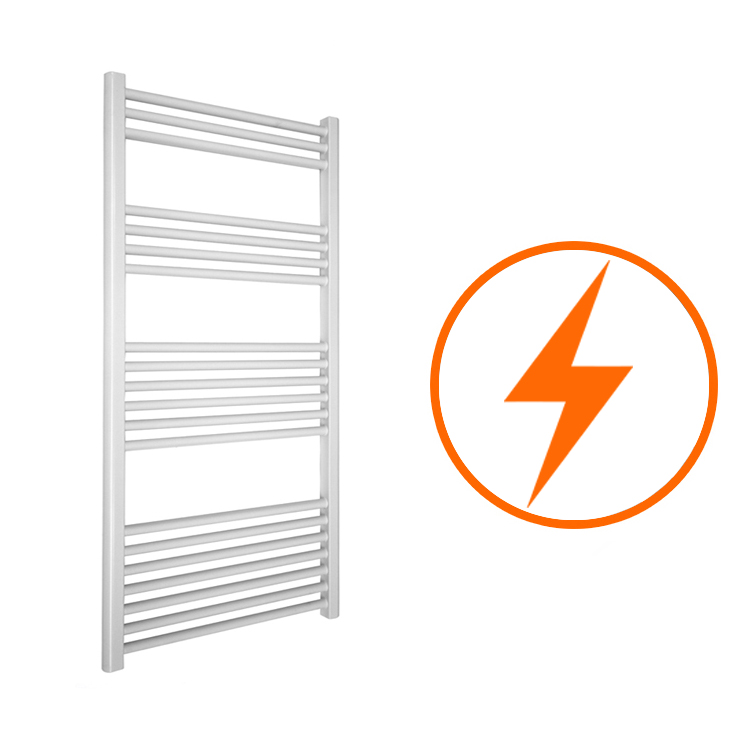
In bathrooms, practicality tends to lead the decision. Bathroom radiators often need to work hard in smaller spaces while also complementing tiles, fittings and the overall finish of the room. Steel is a common choice here because it lends itself well to ladder-style bathroom radiators and contemporary towel rails. Aluminium can also work well where a fast warm-up time is desirable, especially in households with busy morning routines.
In living rooms and main entertaining spaces, the balance between appearance and comfort matters most. If the room is modern, a steel or aluminium designer radiator may suit the scheme perfectly. If the room has original features or a more classic look, cast iron radiators or steel column radiators can feel more in keeping.
Bedrooms often benefit from radiators that provide dependable warmth without dominating the room visually. Steel is usually a safe and stylish option, especially if wall space is limited or the décor is relatively soft and understated. Aluminium can be appealing in guest rooms or loft spaces where quick heat is useful.
Hallways, kitchens and home offices often reward responsiveness. These are spaces people move through or use at specific times, so a radiator that heats up quickly can be a sensible choice. Aluminium is strong here, while steel remains a dependable all-rounder.
Matching radiator material to your décor style

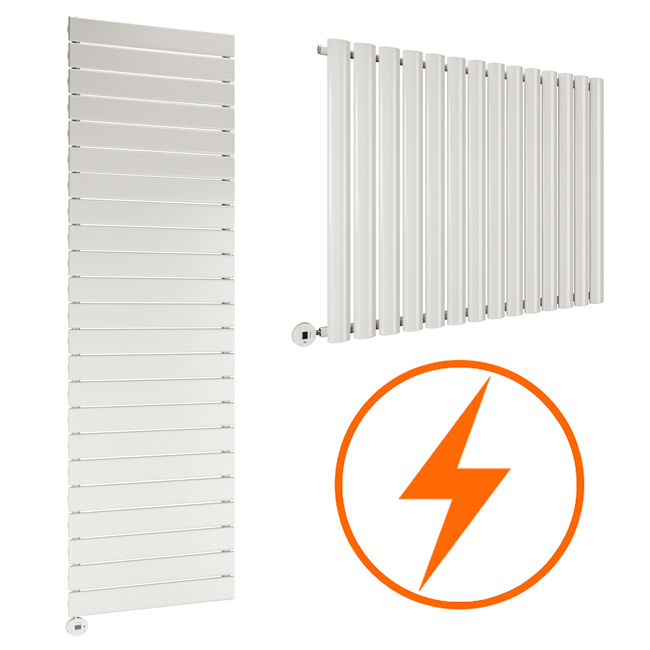
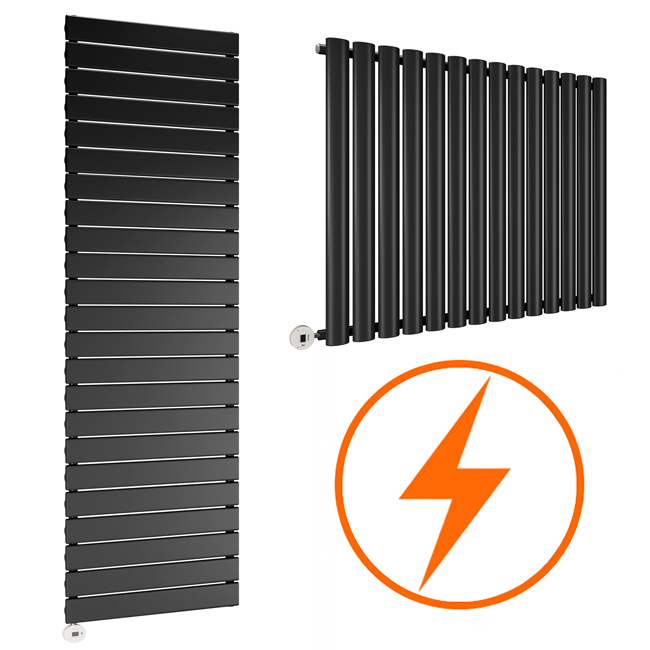
For contemporary interiors, steel and aluminium are usually the easiest fit. Both materials lend themselves well to simple silhouettes, vertical formats and popular finishes such as anthracite, black and white. If you are after a polished, modern look, these materials are likely to give you the range and visual style you want.
For more classic or transitional interiors, column radiators are often the bridge between practicality and character. Steel column radiators can look elegant and timeless while still feeling more accessible for everyday modern homes. They suit everything from renovated terraces to shaker-style kitchens and softly traditional bedrooms.
For period homes or anyone wanting authentic heritage appeal, cast iron radiators remain the standout option. They work beautifully in homes where the details matter and where heating is expected to complement the age and personality of the property rather than contrast with it.
There is no single perfect answer when it comes to radiator materials. The right choice depends on your home, your taste and the way you want your heating to perform day to day. Steel radiators are popular for good reason, offering versatility, style and value across a huge range of rooms. Aluminium radiators are ideal for homeowners who want quick response times and a crisp, modern look. Cast iron radiators bring unmatched character and long-lasting warmth, especially in traditional homes.
The key is to think beyond surface appearance. Consider how quickly you want the room to warm up, how important heat retention is, what style you are trying to create and how the radiator will sit within the wider space. When you start with the needs of your home and the feel you want to create, the decision becomes much easier. The best radiator is not just the one that fits the wall; it is the one that fits the way you want your home to feel.