Need Radiators FAST?

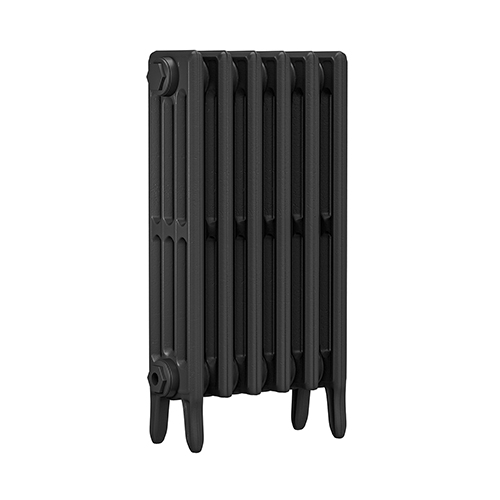
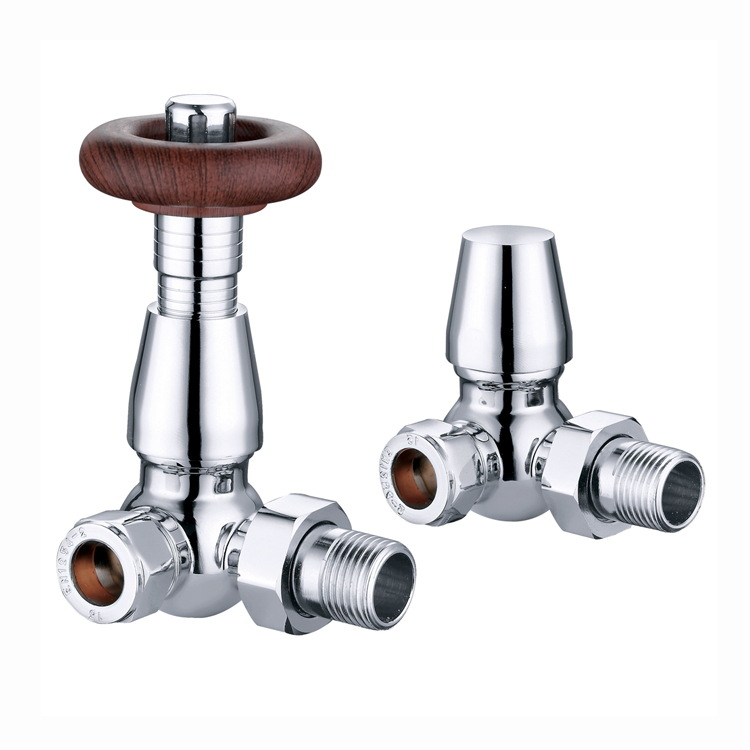
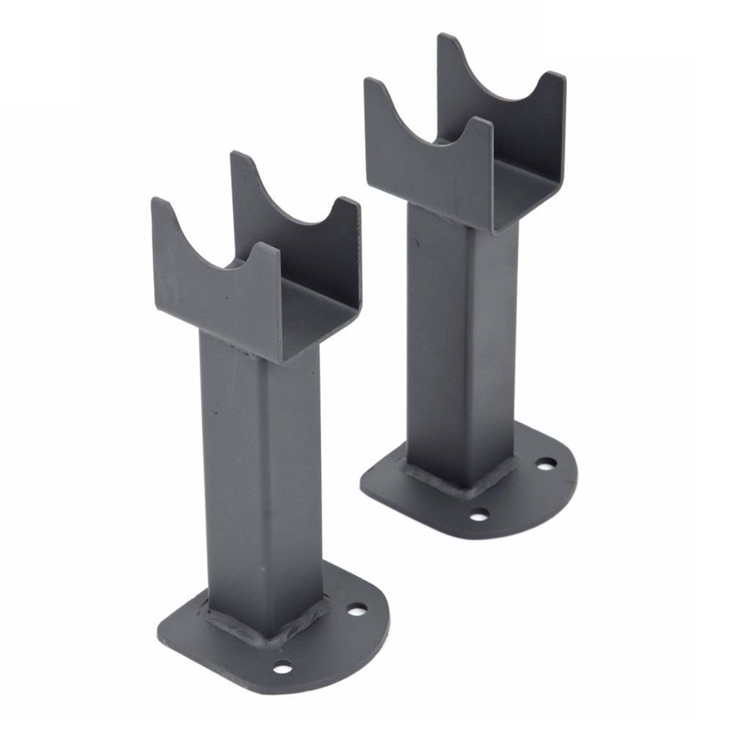
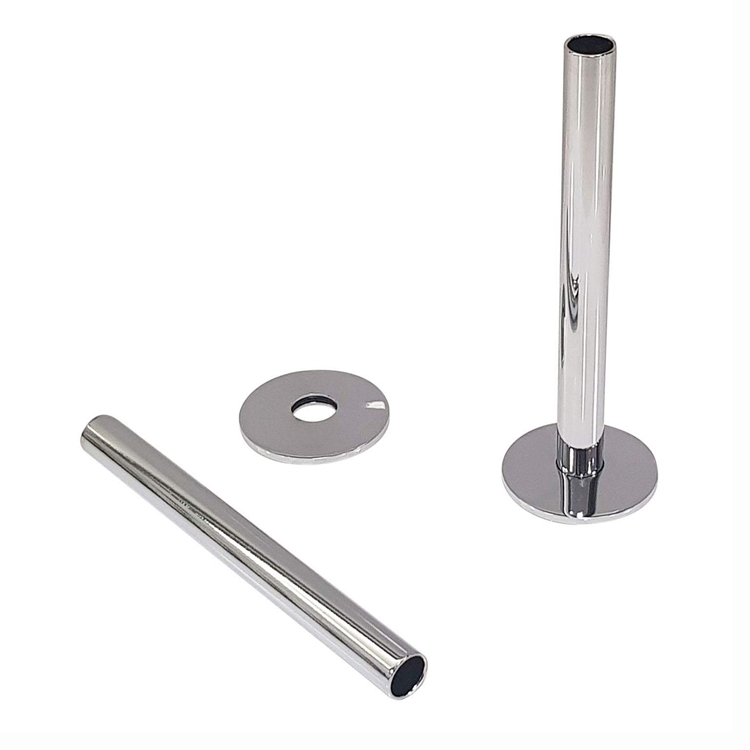
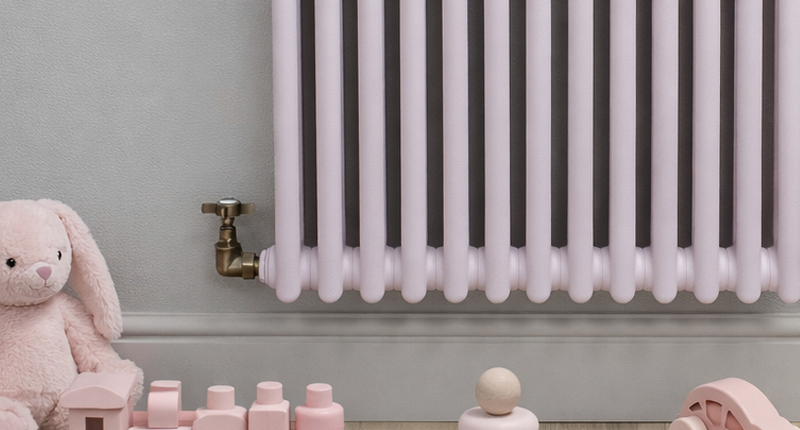
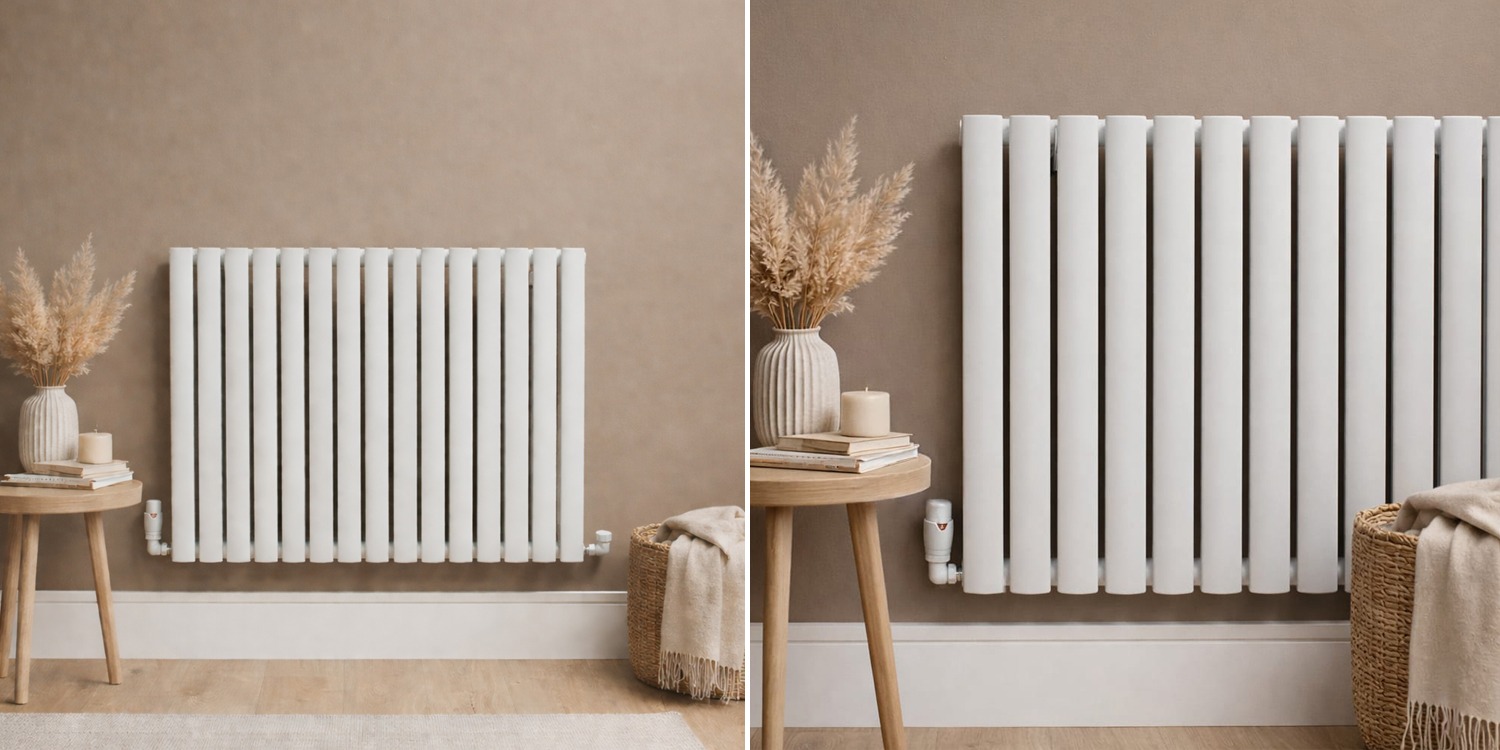
Radiator valves are small but essential fittings that control the flow of hot water into your radiators, determining how much warmth each room receives. Choosing the right radiator valves can make a significant difference to your comfort, energy bills and the overall performance of your heating system. Radiator valves are the control points between your central heating pipework and your radiators. They regulate the amount of hot water flowing into each radiator, which directly affects how much heat that radiator produces.
Every radiator typically has two valves working together. The control valve (sometimes called the wheelhead valve) sits on the flow side and controls how much hot water enters the radiator. On the opposite side, you'll find the lockshield valve, which regulates the amount of water that leaves the radiator and returns to the boiler. Together, these valves ensure your heating system distributes warmth evenly and efficiently throughout your home.
Think of radiator valves as the volume controls for your heating system. Just as you adjust the volume on different speakers in your home, radiator valves let you fine-tune the temperature in each room independently. This room-by-room control is essential for creating comfortable living spaces while avoiding energy waste from overheating unused rooms.
The main types of radiator valves
When shopping for radiator valves, you'll encounter several different types, each offering distinct advantages. These include:
Manual radiator valves
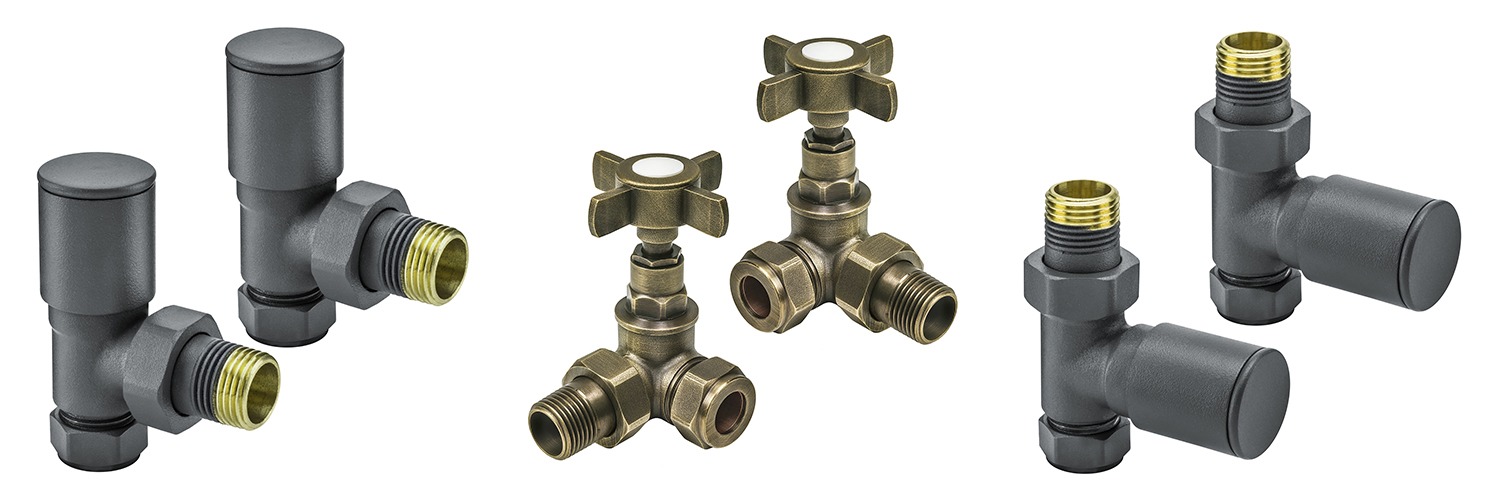
Manual radiator valves work like a traditional tap. You turn them by hand to open the valve and allow hot water to flow into the radiator, increasing the heat output. When the room reaches your desired temperature, you manually turn the valve down or off to reduce or stop the heat.
These valves offer simplicity and reliability. There are no complex mechanisms to malfunction, making them extremely durable and low-maintenance. Manual valves are particularly well-suited to rooms that maintain a steady temperature and don't require frequent adjustments, such as hallways or guest bedrooms. They're also an excellent choice for heated towel rails in bathrooms, where you might want consistent warmth without automatic temperature control.
The main consideration with manual valves is that you must remember to adjust them. Unlike thermostatic options, they won't automatically reduce heat when a room gets too warm, which could lead to energy waste if you forget to turn them down. However, their straightforward operation and affordability make them a practical choice for many homeowners.
Thermostatic radiator valves (TRVs)
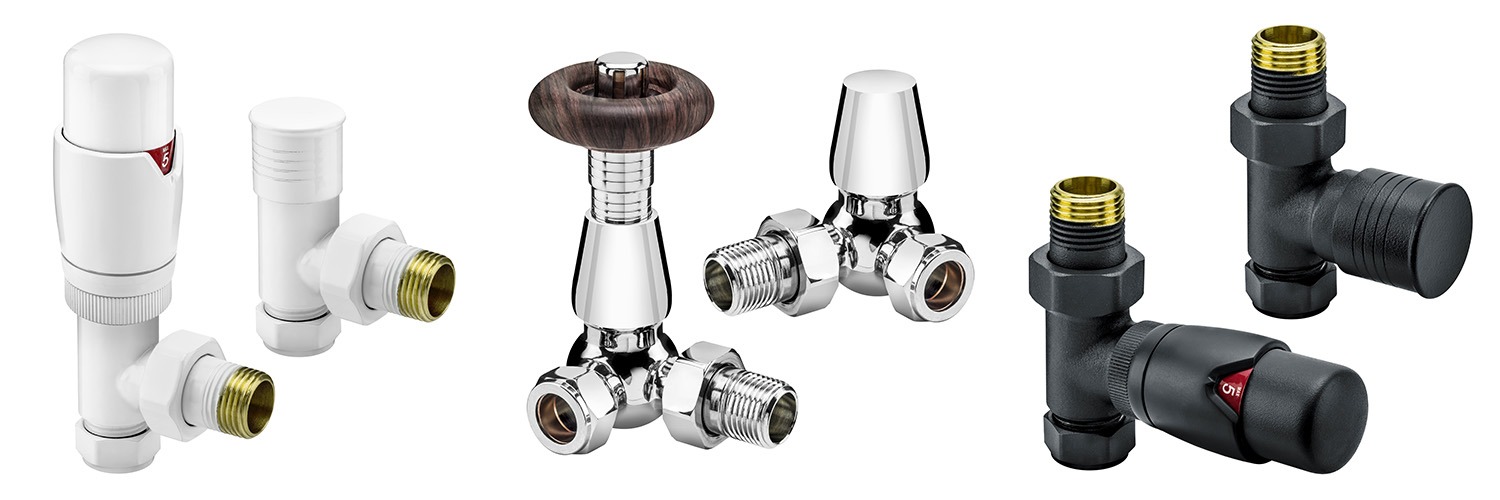
Thermostatic radiator valves (TRVs) provide an upgrade in heating control and energy efficiency. These clever devices contain a temperature-sensitive element that automatically adjusts water flow based on the air temperature surrounding the valve. When your room reaches the temperature you've set, the TRV gradually restricts the flow of water to prevent overheating. As the room cools, it opens again to allow more heat to escape.
TRVs typically feature numbered settings from one to five, with one being the coolest and five the warmest. Although these aren't precise temperature readings, they give you consistent control. Generally, setting two corresponds to around 18 degrees Celsius, while setting four reaches approximately 24 degrees. Most TRVs also include a frost protection setting that maintains a low heat level to prevent pipes from freezing in cold weather.
The beauty of thermostatic radiator valves lies in their ability to maintain comfortable temperatures automatically without constant manual adjustment. They're ideal for living rooms, bedrooms, home offices and other spaces where you want consistent comfort. By preventing rooms from overheating, TRVs can significantly reduce your energy consumption and heating bills over time.
When installing TRVs, there are a few important points to remember. They should never be fitted in the same room as your main wall thermostat, as this can cause conflicting signals that affect your heating accuracy. The valve head also needs clear access to the surrounding air, so avoid placing furniture or curtains too close, as these could block airflow and interfere with the temperature sensing.
Smart TRVs
Smart thermostatic radiator valves bring your heating control into the modern connected home era. These advanced valves work like traditional TRVs but offer far more precision and convenience through smartphone apps, tablets or voice assistants like Alexa and Google Assistant. You can set exact temperatures rather than relying on numbered settings and control your heating remotely from anywhere with an internet connection.
Many smart TRVs include innovative features such as detailed heating schedules for different times and days, open window detection that automatically reduces heating when it senses a sudden temperature drop, occupancy sensors that adjust heating based on whether anyone is in the room and geolocation tracking that learns when you're approaching home and warms up accordingly. Some systems even monitor your energy usage in real time, helping you understand and optimise your heating habits.
While smart TRVs involve a higher initial investment than traditional options, they can pay for themselves through energy savings if you use their features effectively. They're particularly valuable in larger homes, for people with irregular schedules, or for those who want heating that automatically adapts to their lifestyle.
Dual fuel valves
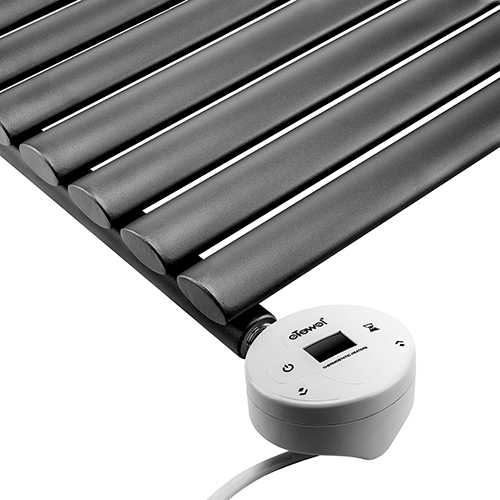
Dual fuel valves offer unique flexibility that's particularly useful for bathroom heated towel rails. These specialised valves allow your radiator to operate through both your central heating system and an independent electric heating element. During winter months, the radiator works as part of your main heating system. In summer, when you don't want to run the entire central heating just to warm towels, you can switch to electric-only operation.
This dual functionality makes dual-fuel valves perfect for keeping towels dry and warm year-round without the cost and inconvenience of running your whole heating system in warmer months. The electric element provides independent heating exactly where and when you need it, while still allowing you to use your efficient central heating during winter.
Installation of dual-fuel valves should always be carried out by a qualified professional, as it involves both plumbing and electrical connections that must meet safety standards.
Radiator valve shapes and configurations
Beyond the valve mechanism type, you need to consider the physical shape and configuration. The right shape depends entirely on how your pipework connects to your radiator. Choosing the correct valve shape ensures proper water flow, prevents leaks and creates a neat, professional finish.
Angled radiator valves
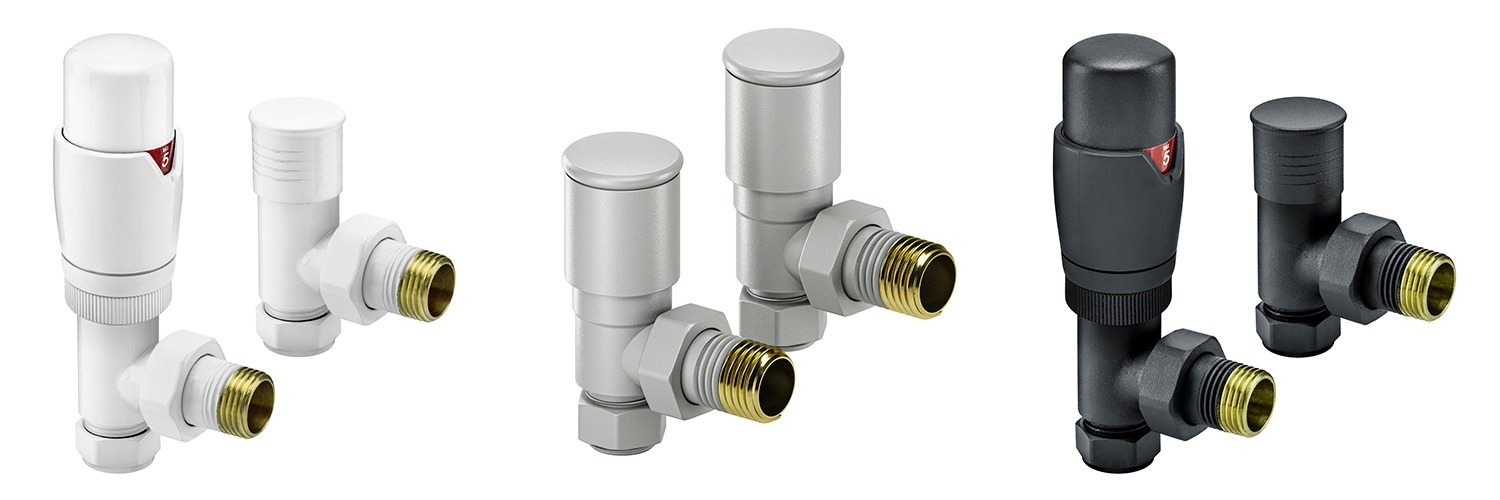
Angled radiator valves are the most commonly used type in UK homes. As the name suggests, these valves connect your pipework to the radiator at a ninety-degree angle. They're designed for situations where your pipes rise from the floor or from the wall behind the radiator, then turn to meet the radiator inlet.
The angled design helps minimise visible pipework and creates a tidy appearance by tucking the connection neatly against the wall or floor. This makes angled valves an excellent choice for modern interiors where clean lines and minimal visual clutter are priorities. They work with most standard radiator configurations.
Straight radiator valves
Straight radiator valves have no bends or angles in their design. Water flows straight through them, making them ideal when your pipework runs along the wall or up from the floor into the radiator without needing to change direction. These valves are suitable for installations where the pipe and radiator inlets align in a straight line. Their simple, linear form often complements vertical and column radiators as well as contemporary designs where geometric precision is important. The symmetrical appearance of straight valves can enhance modern, minimalist interiors while providing efficient water flow.
Corner radiator valves
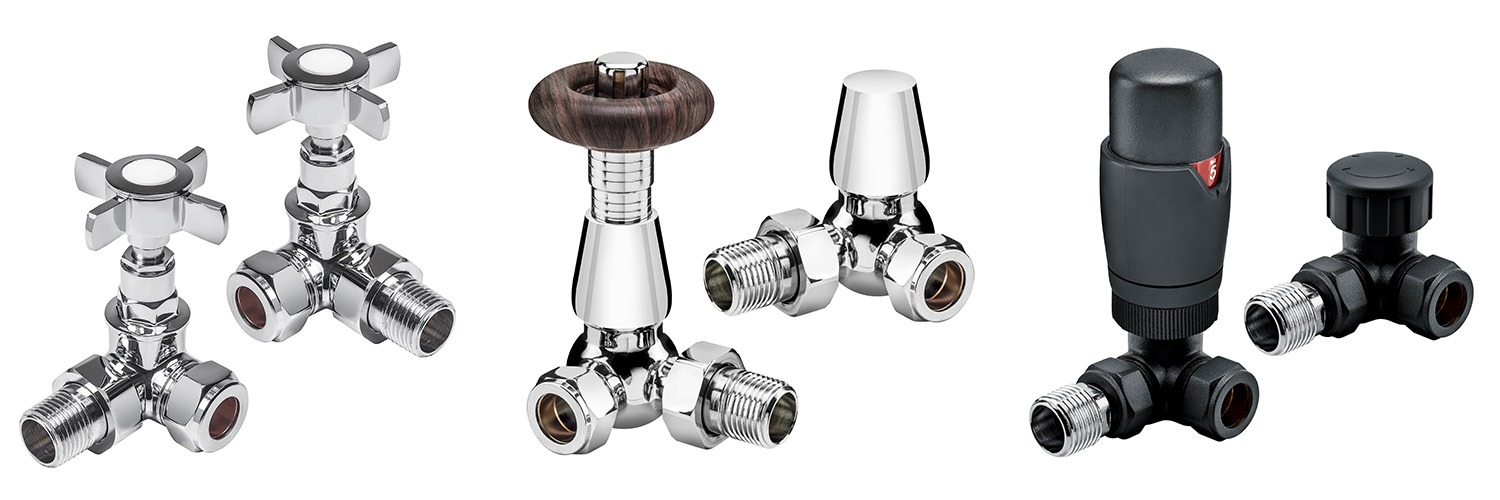
Corner radiator valves (sometimes called flat front valves) perform a similar function to angled valves but with a more discreet profile. Rather than pointing outward, corner valves position the valve head parallel to the wall or downward. This design prevents the valve from protruding as much, reducing the risk of accidental knocks and creating a cleaner visual line.
These space-saving valves are particularly useful in compact rooms such as cloakrooms, en-suites and small bathrooms where every centimetre counts. They offer the same ninety-degree connection as angled valves but with a neater, less obtrusive appearance. If you're looking for radiator valves that blend seamlessly into your room rather than standing out, corner valves could be your ideal choice.
H-block radiator valves
H-block valves are designed specifically for radiators with central or middle connections. Instead of having separate flow and return valves on opposite sides of the radiator, H-block valves combine both connections into a single central fitting located at the bottom middle of the radiator.
This configuration is common in many designer and vertical radiator models, offering a balanced, symmetrical appearance that keeps both sides of the radiator clear and uncluttered. H-block valves simplify installation and maintenance compared to traditional separate valve setups and their minimalist design suits contemporary and architectural interiors perfectly.
Choosing the right valve shape for your pipework
Selecting the correct valve shape depends on three key factors: where your pipes enter the room, where your radiator inlets are positioned and what style of radiator you have. Understanding these elements ensures you choose valves that fit properly and work efficiently.
Checking your pipework position
Start by examining how your heating pipes approach the radiator. Do they emerge from the wall behind the radiator? Rise straight up through the floor? Run along the surface of the wall? Each scenario requires a different valve configuration.
Pipes coming from the wall typically need angled valves to make the ninety-degree turn into the radiator inlet. For a lower profile where pipes come from the wall, corner valves can provide a neater finish. When pipes rise directly from the floor and align with bottom-mounted radiator inlets, straight valves usually offer the most efficient and tidy connection. For radiators with central bottom connections where both pipes meet in the middle, H-block valves provide the appropriate combined fitting.
Understanding radiator inlet positions
Different radiator styles have their inlets in different locations. Standard panel radiators usually feature side inlets near the bottom corners. Heated towel rails commonly have bottom inlets directly beneath the rail. Designer and vertical radiators often use central bottom connections with specific spacing (typically fifty millimetres between centres). Contemporary column radiators might have inlets on the bottom or sides depending on the design.
Matching your valve shape to both the pipework approach and the inlet position ensures smooth installation and optimal performance.
Measuring for compatibility
Before purchasing radiator valves, take accurate measurements. Note the diameter of your existing pipes (standard UK heating systems use fifteen-millimetre pipework with half-inch BSP radiator tappings, though older systems might vary). Measure the distance between pipe centres if you're working with central connections. Check the exact position of radiator inlets and any offset from the radiator edge.
These measurements ensure you order valves that fit first time without requiring adapters or modifications. If you're uncertain about any measurements, our team can provide guidance based on your radiator model and installation setup.
Radiator valve styles and finishes
Beyond functionality, radiator valves contribute to your room's overall aesthetic. Modern valve designs come in various styles and finishes that can complement your decor or make a design statement.
Traditional vs modern styles
Traditional radiator valves feature classic details such as crosshead handles, ornate metalwork and vintage-inspired forms, which suit period properties and heritage interiors. These valves pair beautifully with cast-iron column radiators, traditional panel radiators and Victorian-style bathrooms. The elegant detailing adds character and authenticity to period restorations while still providing modern functionality.
Modern radiator valves feature clean lines, cylindrical or cubic forms and minimal decoration, complementing contemporary interiors. Sleek lever handles, smooth surfaces and geometric shapes create an understated, sophisticated look. These styles work perfectly with designer radiators, minimalist bathrooms and open-plan living spaces where simplicity and precision matter.
The finish you choose for your radiator valves can tie together your room's design scheme. Chrome is the most popular finish, offering a bright, reflective surface that suits both traditional and contemporary settings. Its versatility and timeless appeal make chrome radiator valves a safe, attractive choice for any room.
Brushed brass and gold finishes add warmth and sophistication, creating subtle luxury that works particularly well in bathrooms and bedrooms. These finishes have grown increasingly popular in recent years as homeowners move away from purely chrome fittings toward warmer metallic tones.
Matt black radiator valves make a bold, contemporary statement that suits industrial and minimalist interiors. The dramatic contrast works especially well with white radiators or with black accents elsewhere in the room. Brushed nickel or gunmetal provides a more subtle alternative to chrome, offering refined luxury with understated elegance.
For seamless integration, white or anthracite finishes complement many modern radiator colours, creating a unified appearance in which the valves almost disappear into the radiator. This approach works well when you want your heating to be functional but visually understated.
Round vs square valve heads
The choice between round and square valve heads is partly aesthetic and partly practical. Round or cylindrical valve heads offer a softer, more organic look that pairs well with curved taps, oval mirrors and column radiators. The smooth edges are also slightly safer in busy family spaces where sharp corners might pose a hazard.
Square or rectangular valve heads create crisp, defined lines that complement square-profile towel rails, linear furniture and grid-style architectural elements. If your room features strong geometric forms and right angles, square valves will look intentional and harmonious rather than mismatched. Both shapes perform identically in terms of function, so your choice comes down to what works best with your overall design scheme.
Energy efficiency considerations
One of the most important factors when choosing radiator valves is their impact on your energy consumption and heating bills. The type of valve you select can make a measurable difference to how efficiently your heating system operates.
How TRVs save energy
TRVs deliver energy savings by automatically regulating heat output room by room. Rather than heating your entire home to the same temperature regardless of how each room is used, TRVs allow you to set appropriate temperatures for different spaces. Bedrooms can be kept cooler for better sleep, while living areas maintain comfortable warmth during the day.
The automatic temperature regulation prevents the common problem of rooms overheating beyond your comfort needs, which wastes energy and money. When a room reaches its set temperature, the TRV restricts water flow, directing heating capacity to rooms that actually need warmth. This intelligent distribution can reduce your overall heating consumption by ensuring that each radiator works only as hard as necessary.
Studies have shown that properly installed and configured TRVs can reduce heating energy consumption by a significant amount compared to systems using only manual valves. The exact savings depend on your home's layout, insulation levels and heating habits, but the potential for meaningful cost reduction is clear.
Zoning your heating
When combined with a programmable thermostat, TRVs essentially create heating zones within your home. You might keep guest bedrooms at lower temperatures most of the time, keep bathrooms slightly warmer during morning and evening hours, and optimise living areas for comfort when you actually use them.
This zoning approach means you're not wasting energy heating rooms to full comfort levels when they're empty or rarely used. Over time, these savings add up substantially, particularly in larger homes with multiple rooms serving different purposes at different times of day.
Common mistakes to avoid
Understanding potential pitfalls helps you make better decisions when selecting and installing radiator valves.
Fitting TRVs in the wrong locations
One of the most common errors is installing a thermostatic radiator valve in the same room as your main wall thermostat. These two controls will compete with each other, potentially causing the heating system to malfunction. If the TRV shuts off the radiator in that room while the wall thermostat still senses lower temperatures, it might trigger the boiler to work harder, overheating other rooms.
The solution is simple: use a manual valve or lockshield in the room containing your wall thermostat and install TRVs in all other rooms where independent temperature control would be beneficial.
Ignoring flow direction
Many thermostatic and bidirectional radiator valves have arrows indicating the correct flow direction. Installing a valve backwards can restrict water flow, create noise and reduce heating efficiency. Always check the markings on the valve body and ensure water flows in the indicated direction.
Modern bidirectional valves eliminate this concern by working equally well in either direction, but it's still important to verify whether your chosen valve requires a specific orientation.
Incorrect sizing
Assuming all radiator valves fit all radiators is a recipe for frustration. Different radiators have different inlet positions, thread types and spacing requirements. Always measure carefully and check compatibility before purchasing.
Neglecting the lockshield
The lockshield balances your heating system by regulating return flow, ensuring even heat distribution. Using mismatched or poor-quality lockshields can undermine your system's efficiency even if your control valves are excellent.
With all this information in mind, how do you actually decide which radiator valves to buy?
Consider these key questions to guide your choice.
What level of control do you need? If you want simple, reliable heating without automatic temperature regulation, manual valves might suit you perfectly. For automatic comfort and energy efficiency, thermostatic radiator valves offer excellent value. If you want the ultimate in convenience and precise control, smart TRVs provide features that adapt to your lifestyle.
What is your budget, both initial and ongoing? Manual valves cost less upfront but offer no energy-saving automation. TRVs cost more initially but can reduce energy bills substantially over time. Smart valves require the highest investment but provide the greatest potential for optimisation and long-term savings.
What does your pipework configuration require? Identify whether you need angled, straight, corner or H-block valves based on how your pipes connect to your radiators. Measure carefully to ensure compatibility.
What style suits your space? Choose traditional or modern designs and select finishes that complement your existing fixtures and overall interior style. Remember that radiator valves, though small, contribute to the room's visual coherence.
Do you need special features? Consider whether dual-fuel capability for heated towel rails would be useful, whether smart connectivity appeals to you, or whether specific finish options matter for your design scheme.
It should now to clearer to you that the right radiator valves provide reliable heating control, contribute to energy efficiency and complement your interior design while operating quietly in the background.
We're committed to helping you find the perfect radiator valves for your specific needs. Shop our selection to see the full range of options available or contact our team for personalised advice tailored to your heating system and goals. Invest in quality radiator valves today and enjoy better heating control and lower energy bills for years to come.