Need Radiators FAST?

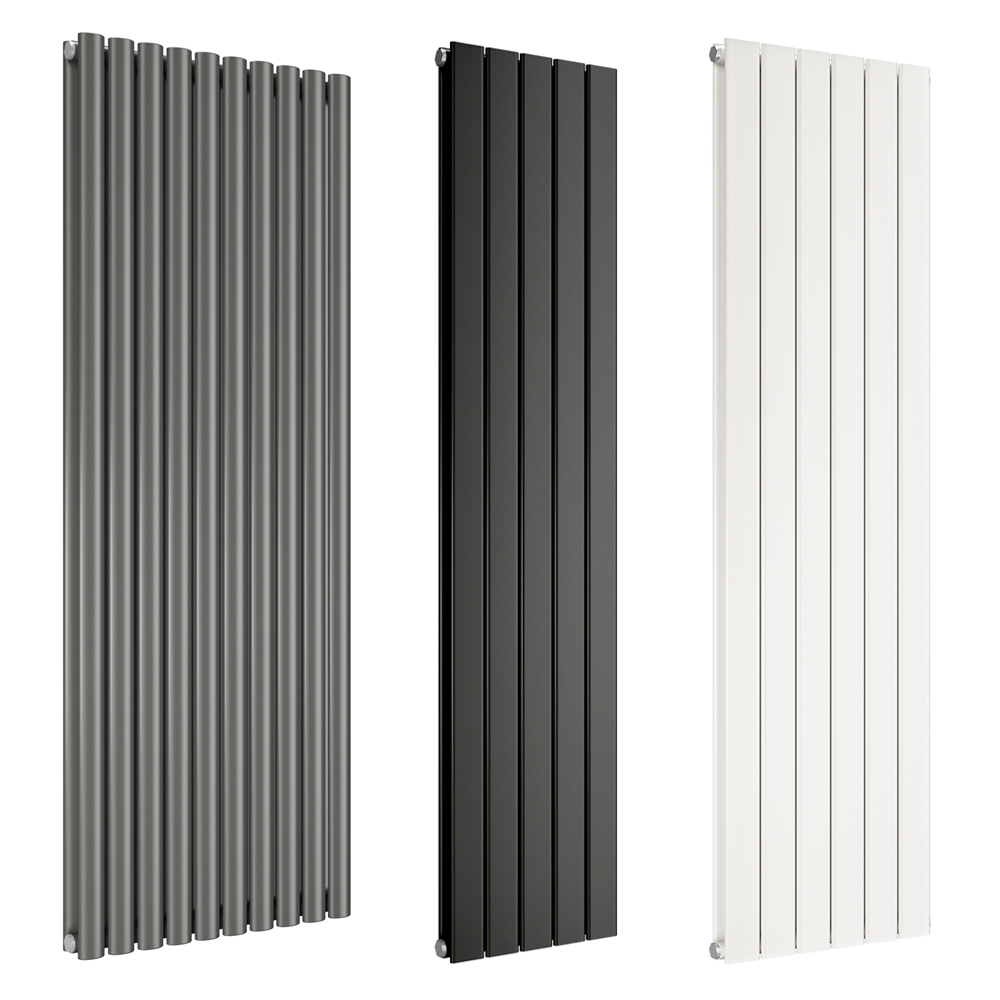
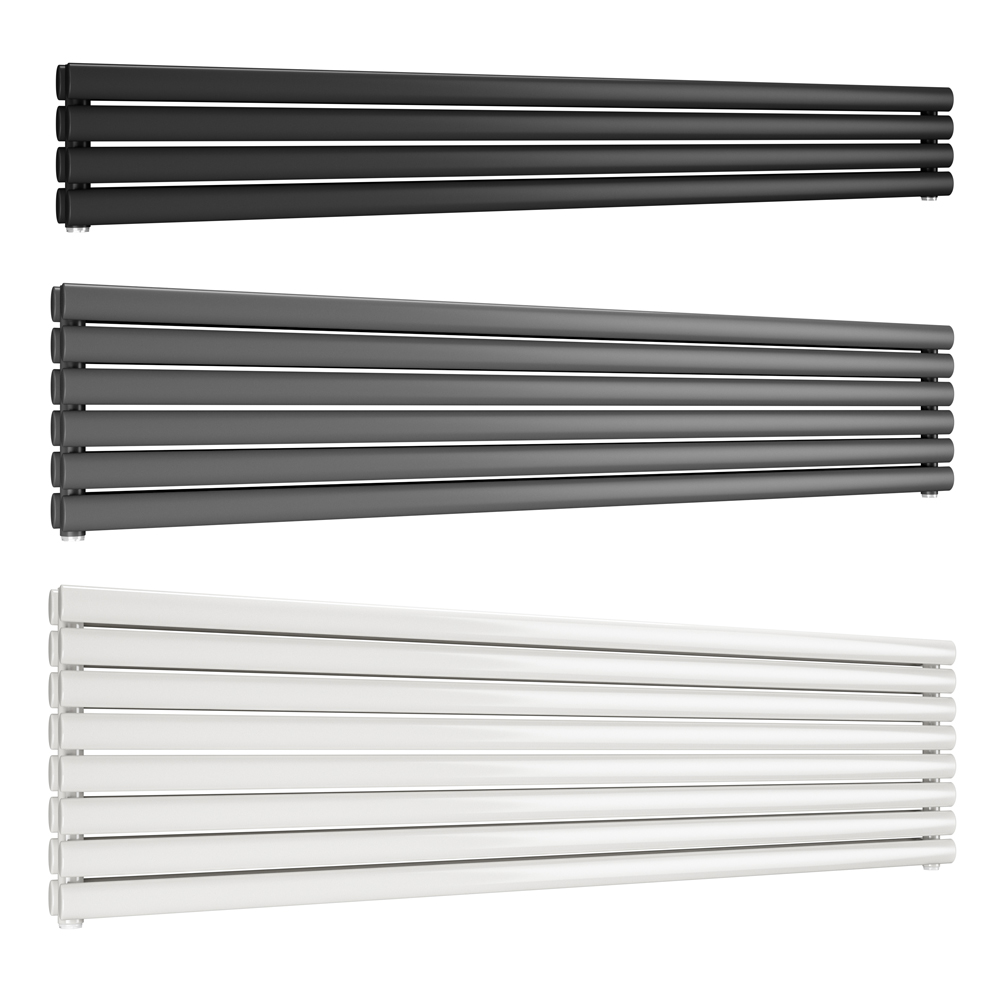
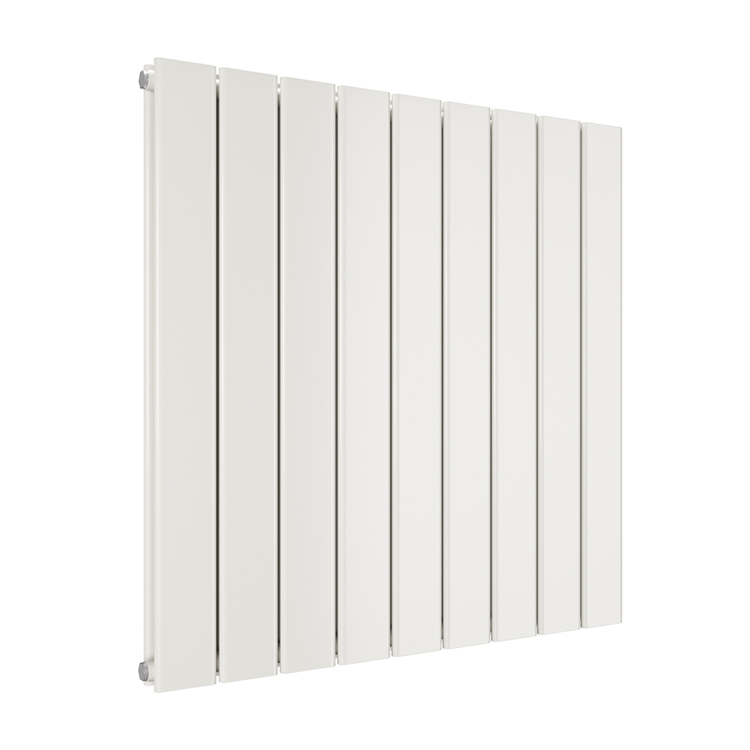
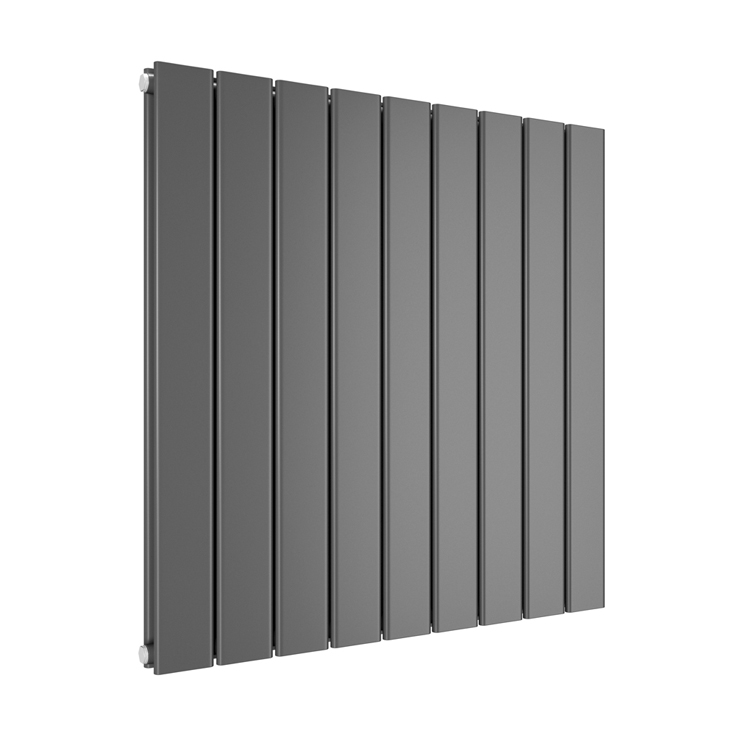
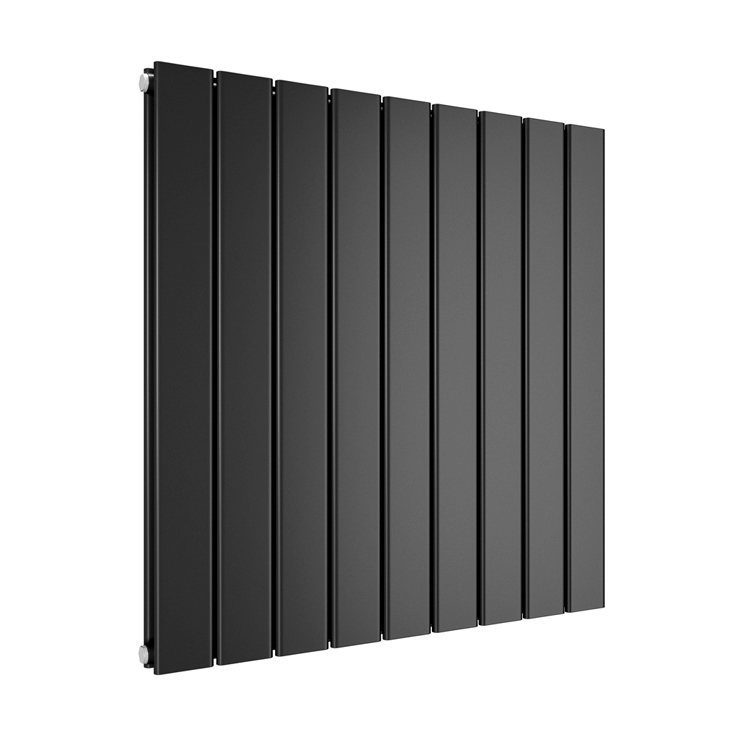
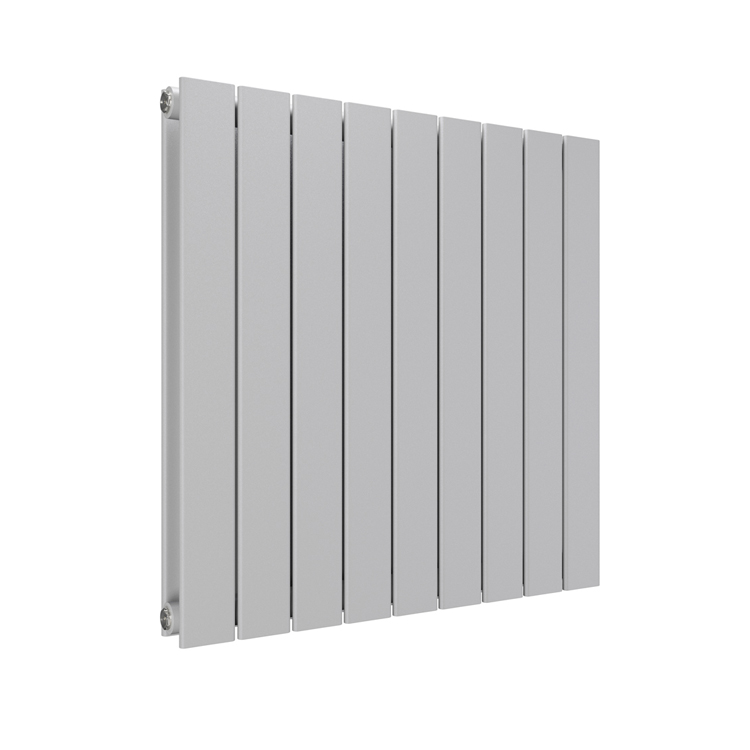
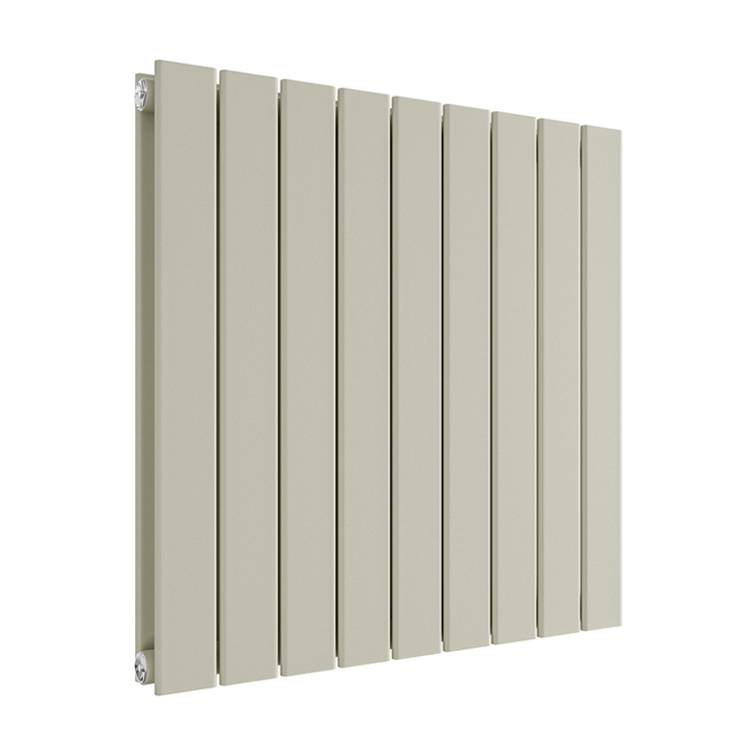
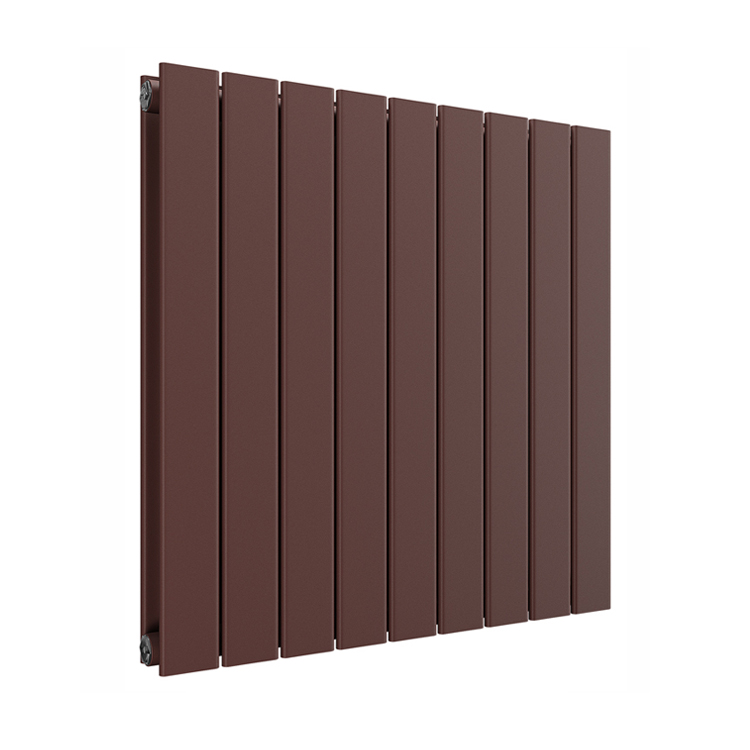
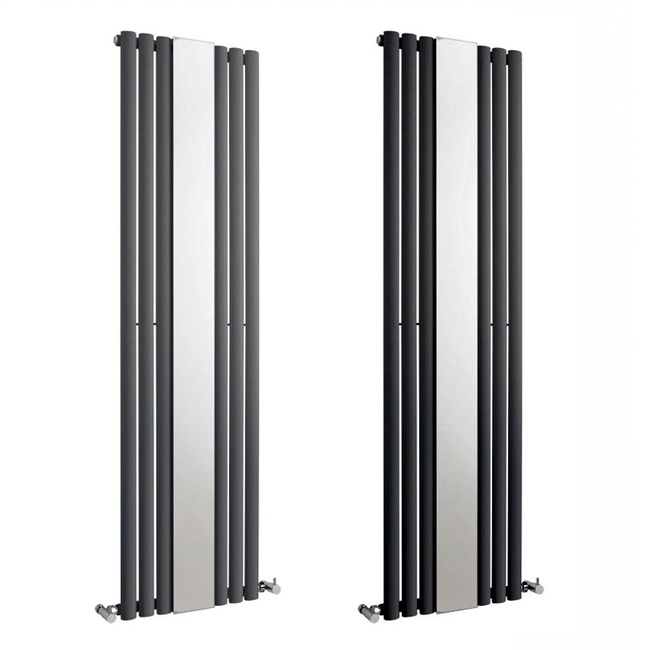
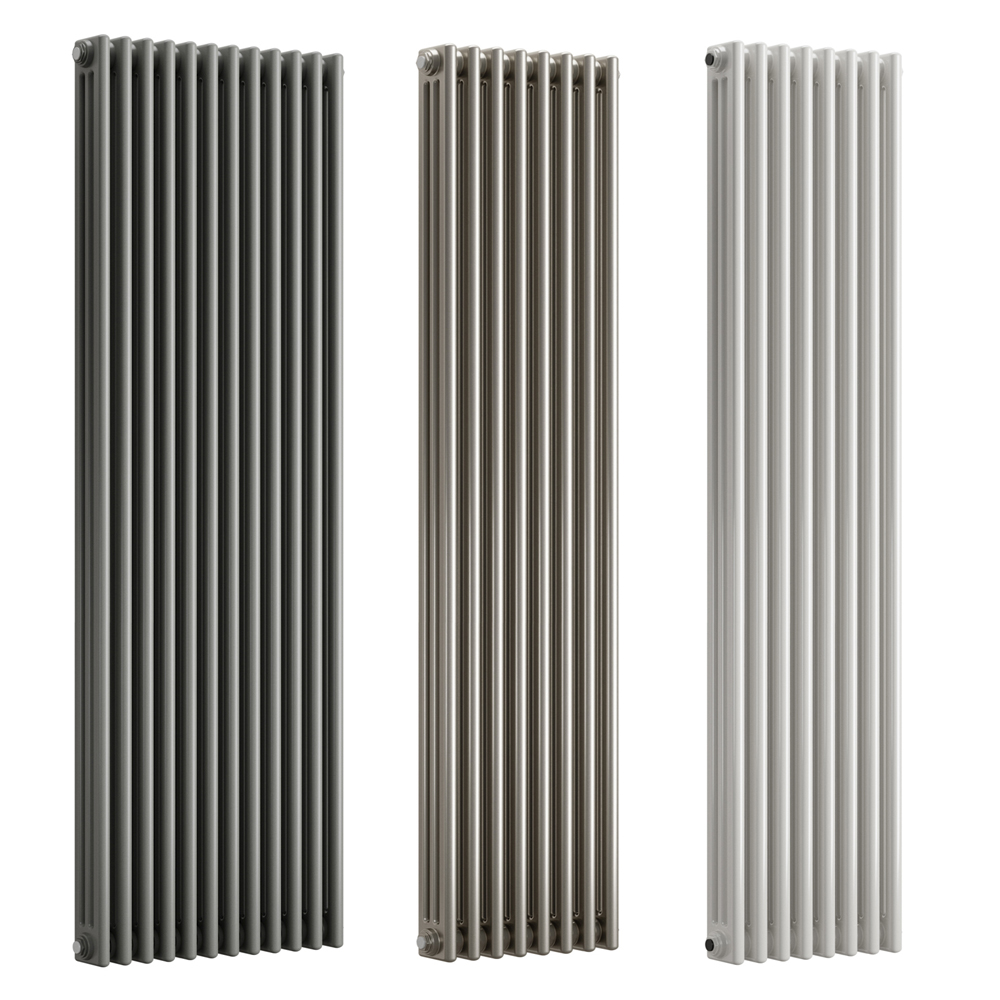
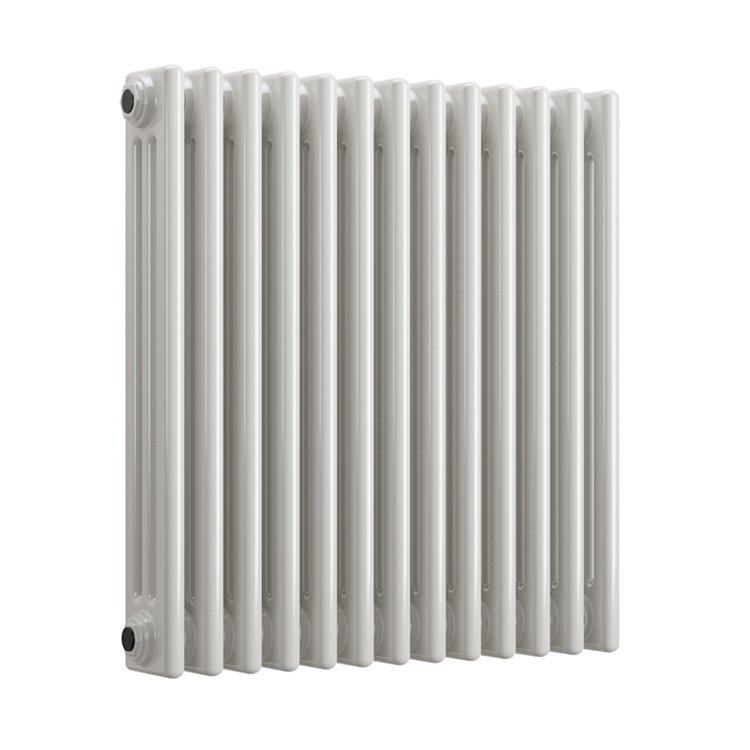
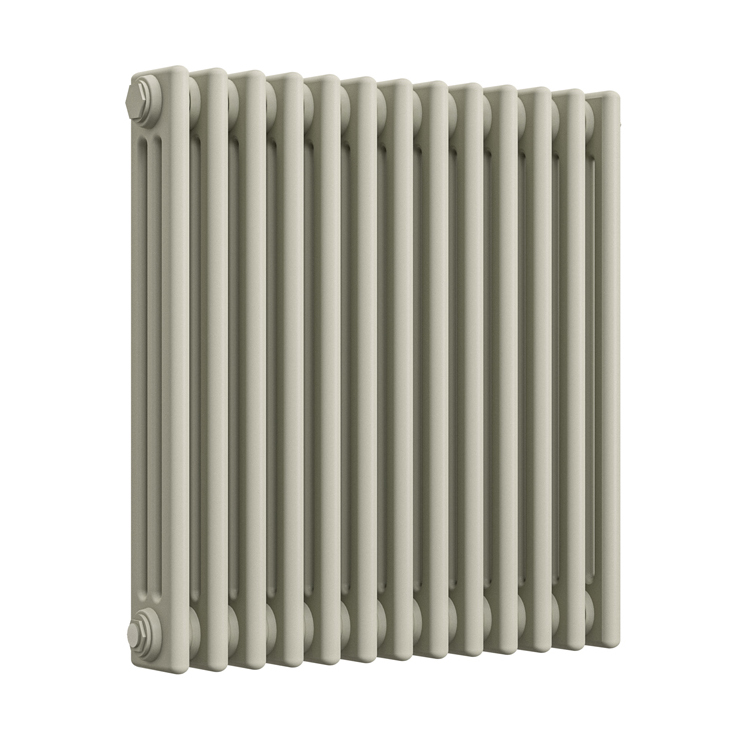
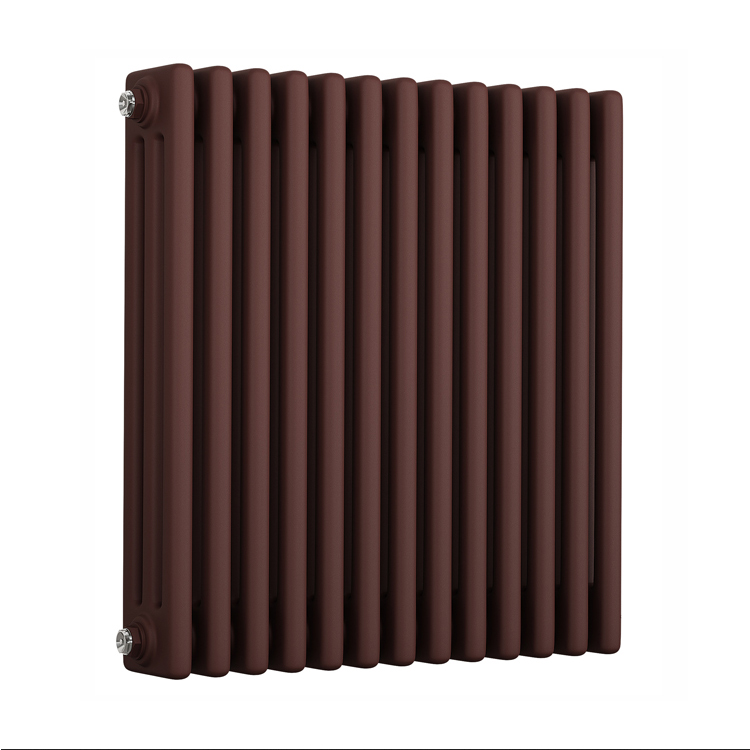
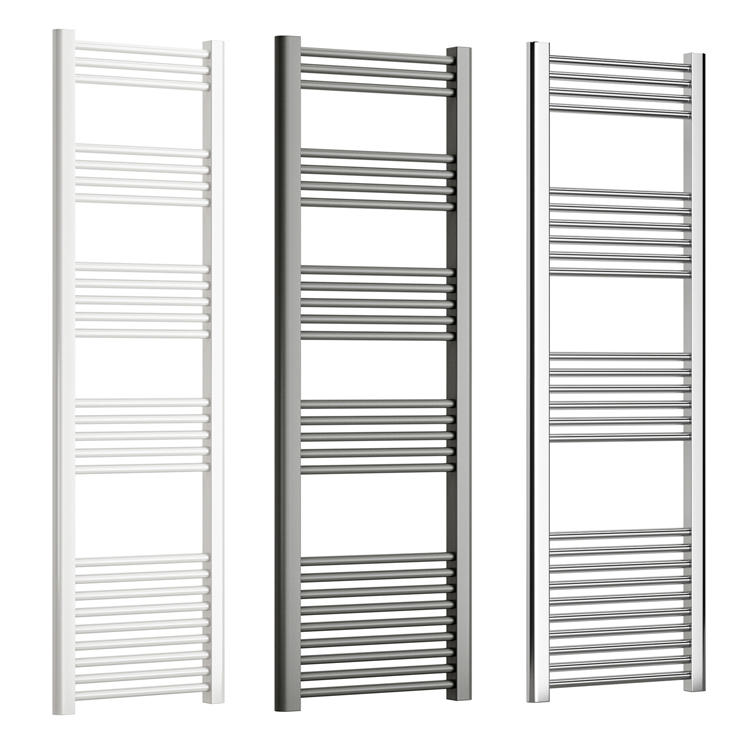
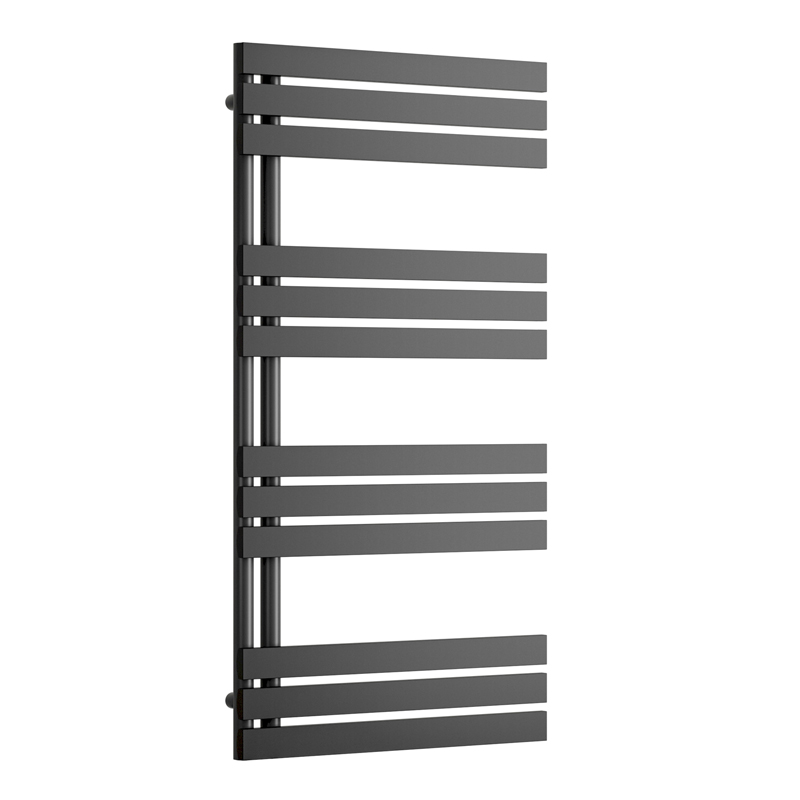
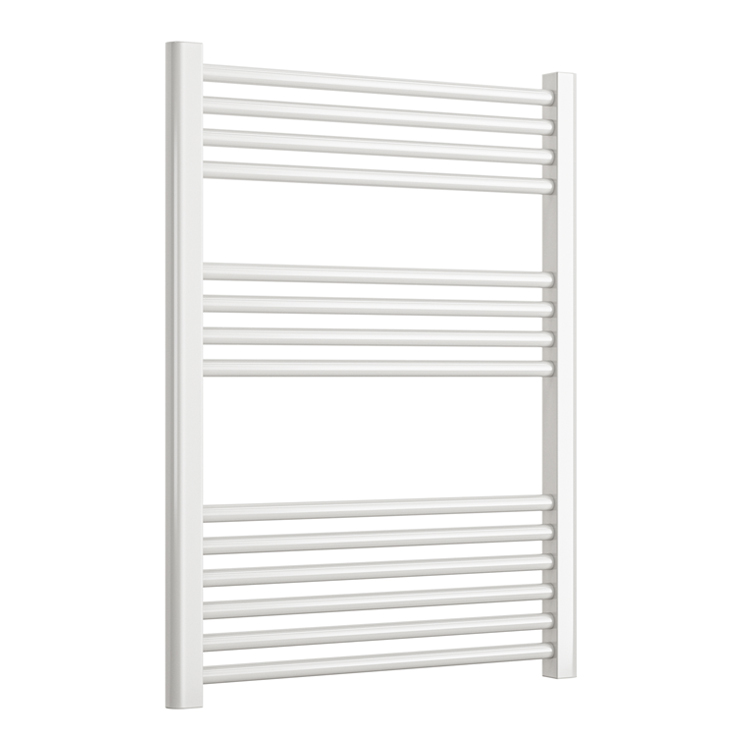
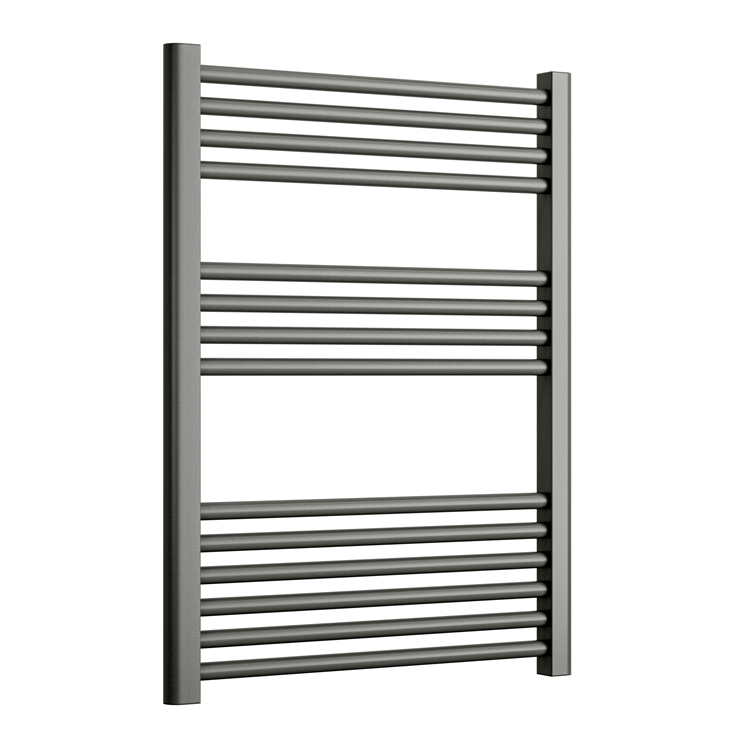
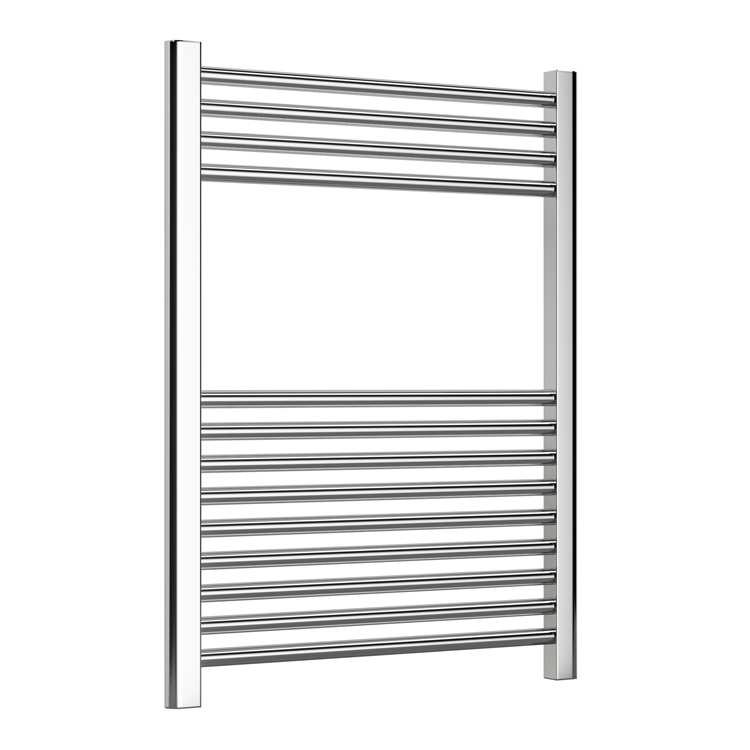
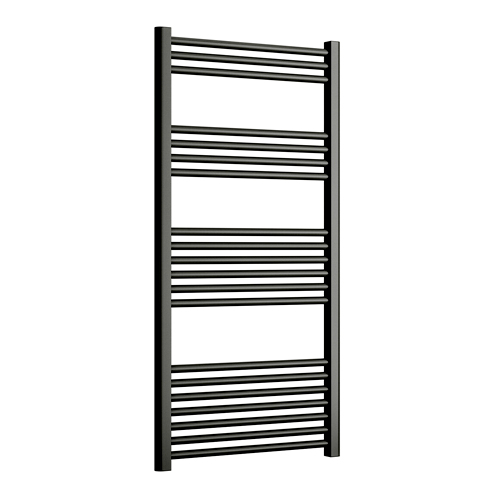
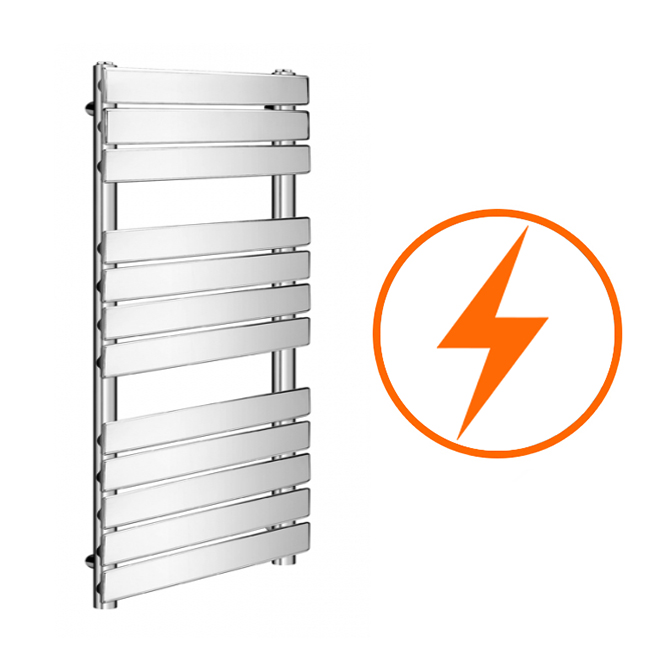
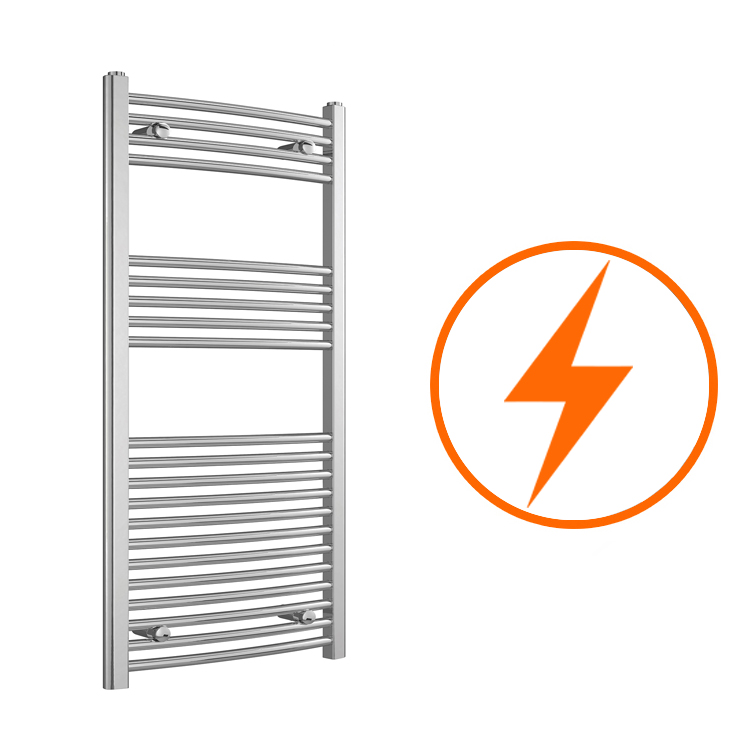
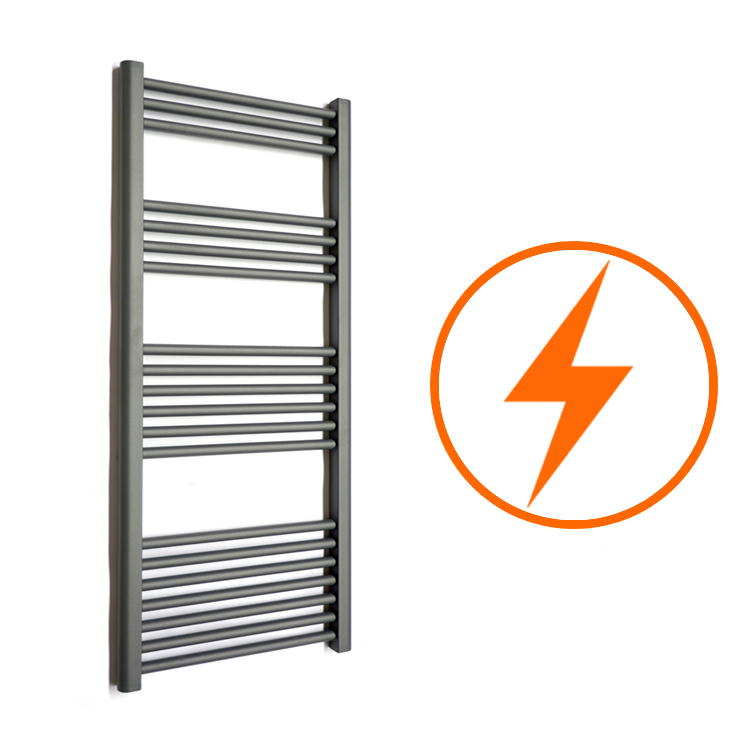
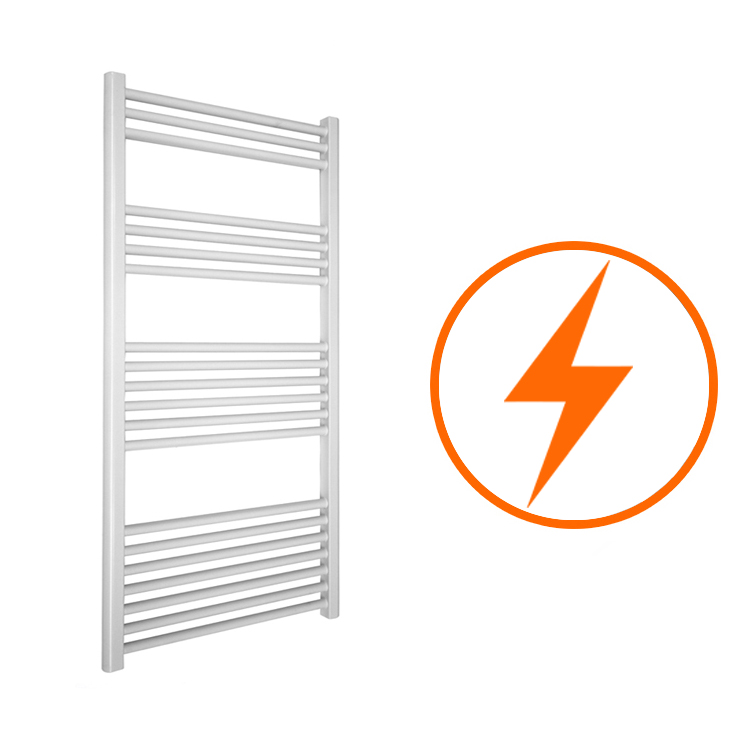
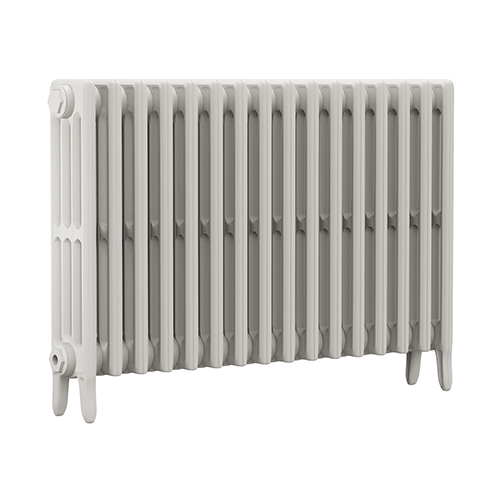
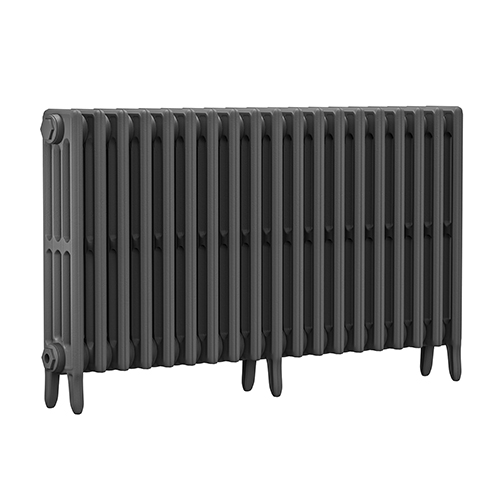
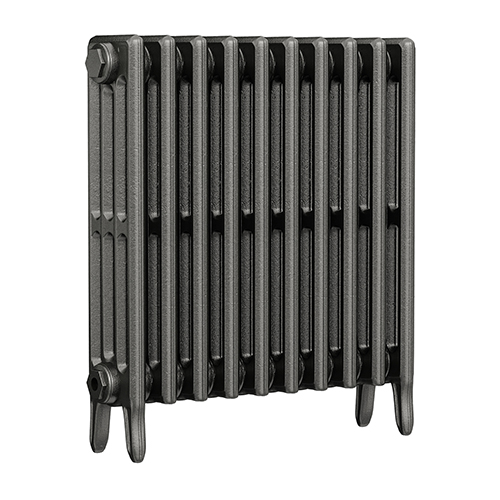
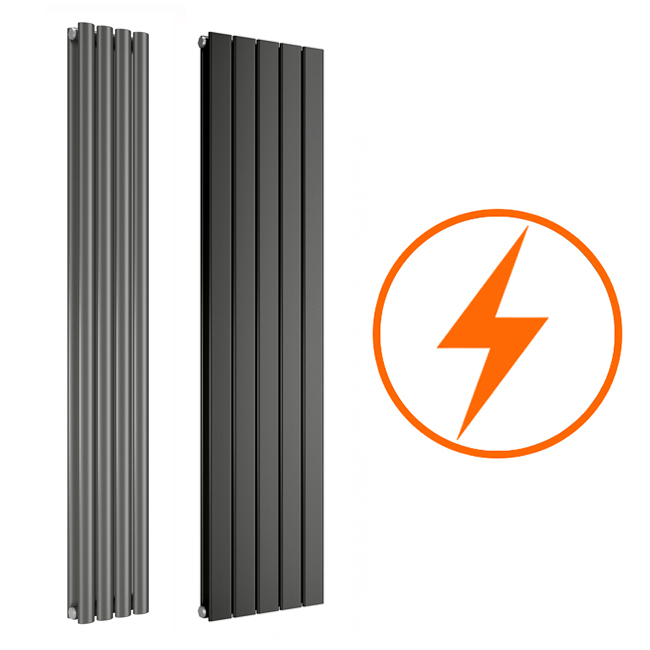
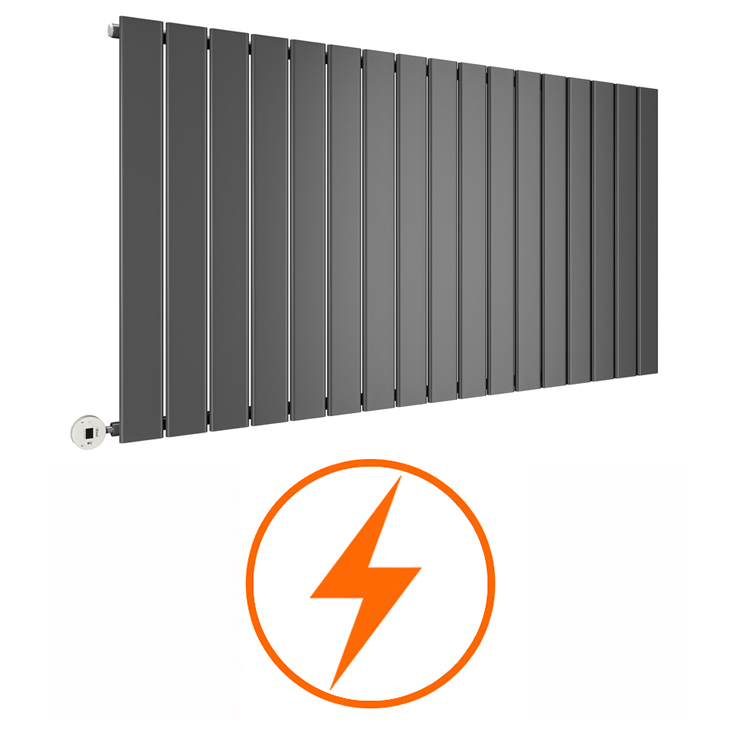
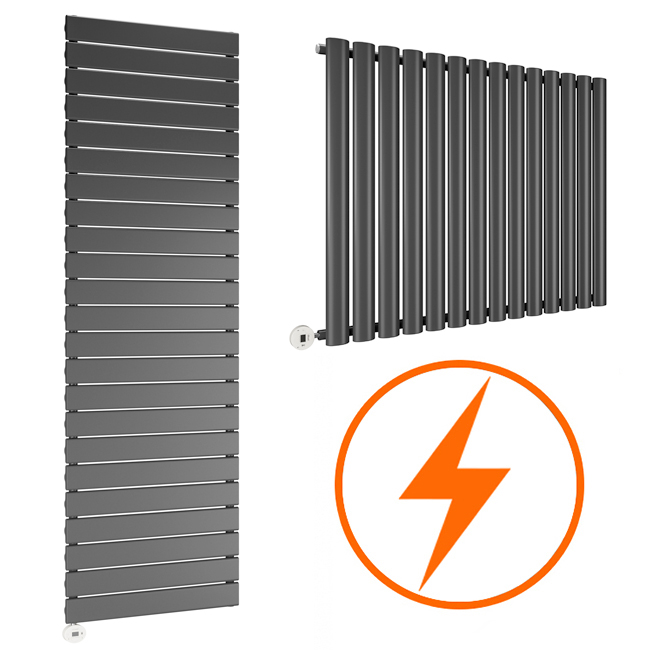
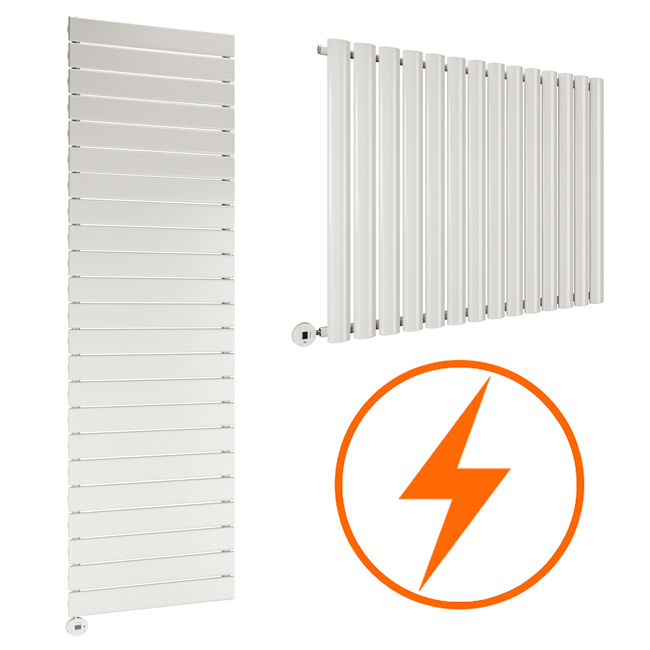
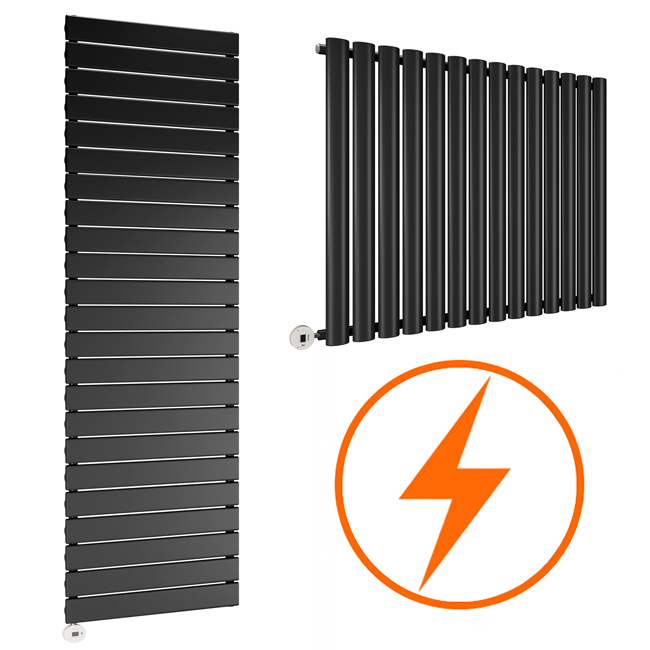
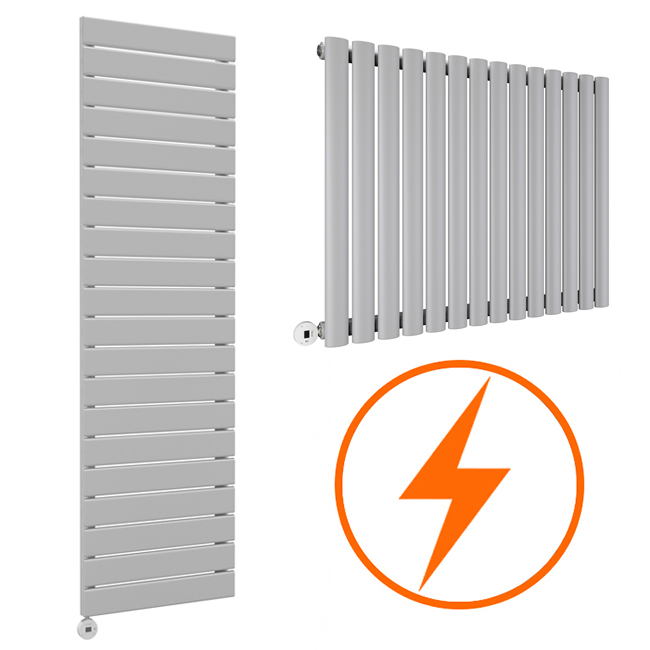


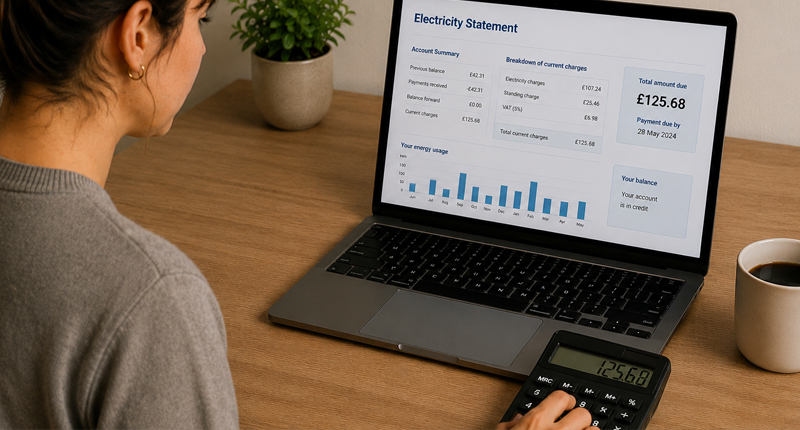
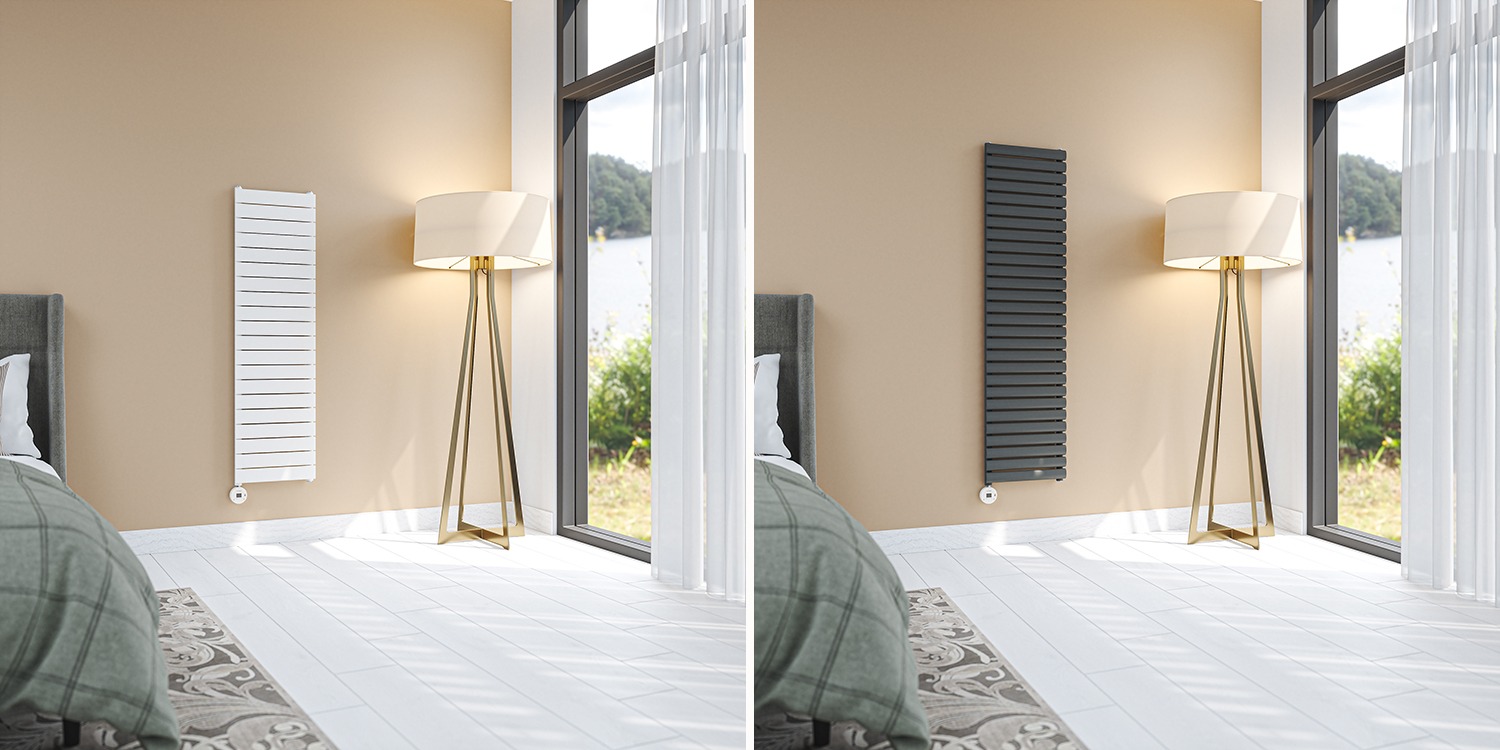
Electric radiators are not always expensive to run, but they can cost more per unit of heat than gas-based central heating. In the UK, the average electricity unit rate under Ofgem's price cap for 1 April to 30 June 2026 is 24.67p per kWh, while gas is 5.74p per kWh. That means electricity is still the pricier fuel on a unit-for-unit basis. However, electric radiators can still be a sensible and economical choice in the right setting, especially when you heat only specific rooms, use reliable thermostat controls and avoid heating the whole house unnecessarily.
The short answer? If you are heating an entire family home all day, electric radiators will usually cost more to run than a modern gas central heating system. But if you are heating one room, a home office, an extension, a loft conversion or a property without gas, they can be a practical option that gives you more control over usage. The real question is not "are electric radiators expensive to run?" but "how, where and when are you using them?"
2026 UK electricity prices: the figures we used
For the cost examples below, this article uses 24.67p per kWh as a current 2026 UK benchmark for electricity, based on Ofgem's average direct debit price cap from 1 April to 30 June 2026. It also uses 5.74p per kWh for gas, where relevant in comparisons. Real bills vary by tariff, region, meter type and supplier, but this is a sensible benchmark for giving clear, realistic examples. Standing charges are not included in the radiator examples because you pay those regardless of whether the radiator is on.
How much do electric radiators cost to run?

The basic formula is:
Radiator wattage in kW × hours used × electricity price per kWh
Using the 2026 benchmark of 24.67p per kWh, the running cost at full output looks like this: a 1kW electric radiator costs about 24.67p per hour; a 1.5kW model costs around 37.01p per hour; and a 2kW model costs about 49.34p per hour. These figures assume the radiator draws full power continuously for the entire hour. In real use, a quality electric radiator with a thermostat will usually cycle on and off as the room reaches temperature, so actual running costs can be lower.
Cost per day
If a 1.5kW electric radiator runs at full output for 5 hours a day, that is 7.5kWh of electricity. At 24.67p per kWh, that works out at roughly £1.85 per day. If the same radiator were used for 8 hours a day, the cost would rise to about £2.96 per day. That gives you a useful guide for bedrooms, living rooms and home offices, though again, real-life usage may be lower if the thermostat reduces power draw once the space is warm.
Cost per month
Using that same 1.5kW radiator, running at full output for 5 hours a day over 30 days, the cost would be around £55.51 per month. At 8 hours a day, it would be about £88.81 per month. For a larger 2kW electric radiator used for 5 hours a day, the monthly cost would be approximately £74.01. These numbers show why controls matter so much. A radiator used badly can become expensive, but one used in a well-insulated room, on a timer, for targeted heating, can be far more reasonable.
What affects electric radiator running costs?
Wattage and heat output
Higher wattage means higher potential running costs, but it also means more heat. A small room may only need a lower-output electric radiator, while a larger lounge or poorly insulated room may need more power to feel comfortable. Choosing the right size is important because an underpowered radiator may run for longer, while an oversized one could mean you are paying for more heat than you need. Running costs should always be looked at alongside room size and heat requirement, not just headline wattage.
Room size and insulation
A small, modern, well-insulated room is much cheaper to heat than a large draughty space with poor glazing. If heat escapes quickly, the radiator has to work harder and stay on for longer. That is why two households using the same electric radiator can see very different heating bills. The radiator itself is only part of the picture. Windows, insulation, floor type, ceiling height and overall draught-proofing all affect running costs.
Thermostat controls and programmable heating
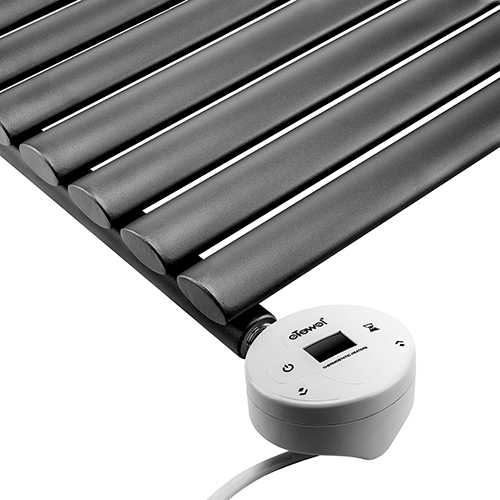
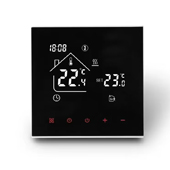
Controls make a major difference. Many electric radiators now come with digital thermostats, timers and programmable heating modes that help reduce wasted usage. Product regulations in the UK are designed to improve energy performance for heating products and practical advice from UK energy companies consistently points to controls as one of the biggest factors in efficient heating. Basically, the less time the radiator spends needlessly heating an empty room, the lower your bill should be.
How you use the room
Electric radiators are often most economical when they are used for zoned heating. That means warming the rooms you are actually using instead of switching on a whole wet central heating system. This is especially relevant for spare rooms, garden offices, extensions and guest bedrooms. In those situations, paying more per unit for electricity can still make financial sense overall if you are using much less energy in total.
Are electric radiators more efficient than traditional radiators?
Electric radiators are highly efficient at the point of use because they convert the electricity they consume directly into heat in the room. By contrast, gas boiler systems lose some heat in the system and through the flue, although modern condensing boilers are much more efficient than older models. Energy Saving Trust states that modern condensing boilers reuse more heat that would otherwise be lost, which is why they outperform older gas boilers.
In practice, though, fuel price matters just as much as appliance efficiency. Electricity still costs far more per kWh than gas under the current price cap. So even though electric radiators are effective at turning electricity into usable room heat, they can still cost more to run than traditional radiators connected to a gas central heating system. That said, traditional radiators only look cheaper when the wider system is already in place and being used efficiently. If you only need to heat one room, the balance can shift.
Electric vs traditional radiators: which is cheaper?
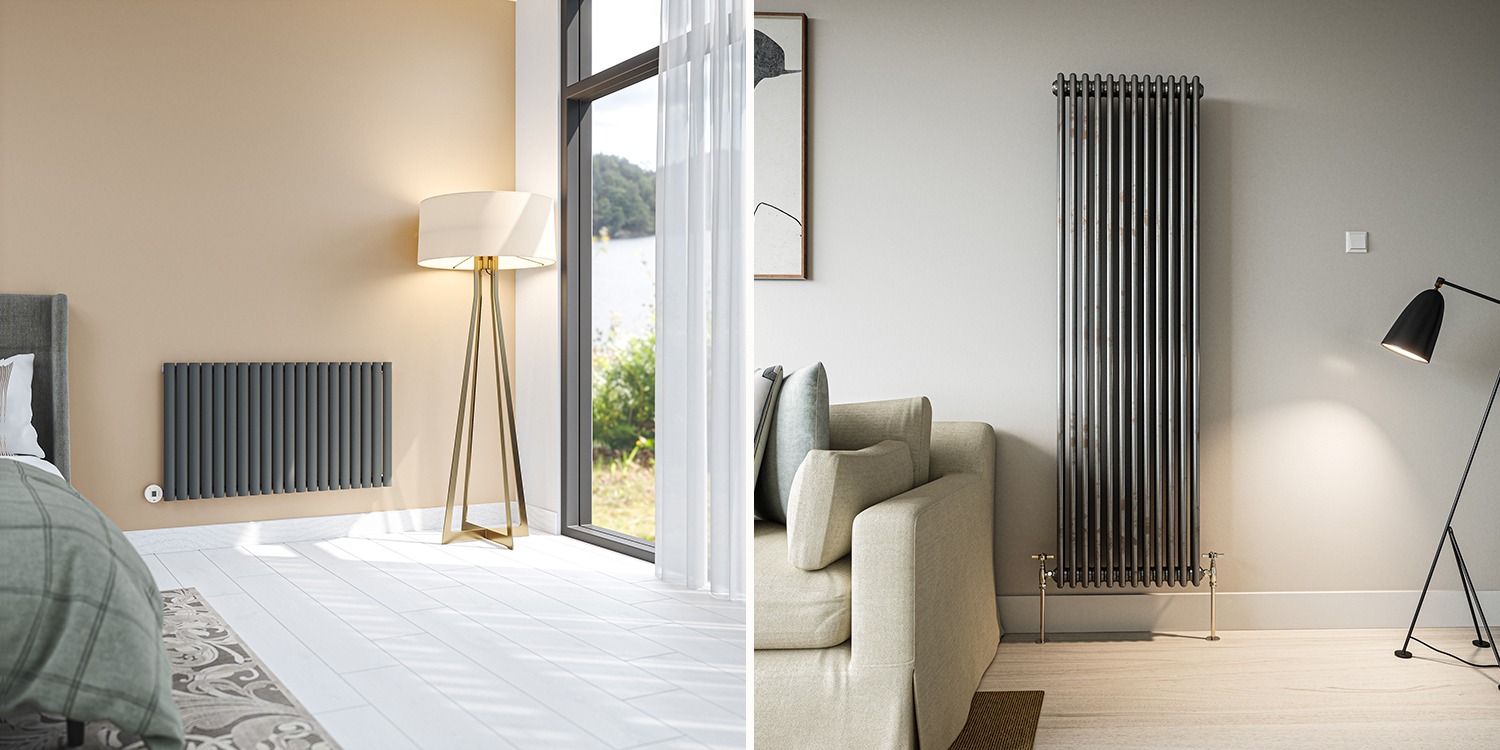
If you compare a whole-home gas system with a modern boiler against electric radiators heating every room for long periods, traditional radiators will usually be cheaper to run day-to-day because gas is so much cheaper per kWh than electricity. Using the current average capped rates, gas is 5.74p per kWh while electricity is 24.67p per kWh. Even allowing for boiler losses, that remains a big gap. But that does not automatically make electric radiators the wrong choice. They can be competitive when:
You only need heat in one or two rooms
This is where electric radiators come into their own. Instead of firing up a full central heating system, you can heat the exact space you are using and leave the rest of the property unheated.
The property has no gas supply
For flats, annexes, garden rooms and off-gas properties, electric radiators are often one of the simplest options to install and manage. Electric heating is a common route in homes where gas is not available, while also pointing out that different electric systems suit different property types.
You want straightforward installation and control
Electric radiators avoid pipework, boilers and wet system maintenance. That can make them attractive for landlords, renovators and homeowners updating a single space.
When do electric radiators make the most sense?
Electric radiators are often a strong choice in smaller properties, occasional-use rooms, home offices, loft conversions, garden buildings and flats without mains gas. They also make sense when you want precise room-by-room control, quick installation and cleaner-looking heating design.
Both traditional and designer radiators continue to make plenty of sense for homes already using an efficient wet central heating system. They are often the lower-cost option for whole-home heating, especially when paired with a modern condensing boiler. The best choice depends on the building, your heating habits and whether you need flexibility or whole-house economy.
Our verdict on running costs in 2026
Electric radiators can be expensive to run if you use them as all-day, whole-house heating in a larger home. But they are not automatically expensive in every situation. If you size them properly, use thermostat controls well and focus on heating the rooms you actually use, they can be a smart and manageable option. For many households, the decision comes down to convenience and control as much as raw energy price. Electric radiators usually cost more per kWh to run than traditional radiators on gas central heating, but they can still help control overall heating bills when used strategically.
Looking for a heating option that gives you more control room by room? Shop electric radiators at Radiator Outlet and compare styles, sizes and finishes to find the right fit for your space.
Electric radiators: FAQs
Are electric radiators cheaper than gas central heating?
Usually no, not for whole-home heating. Gas is still much cheaper per kWh than electricity under the current UK price cap, so traditional radiators linked to a modern gas boiler will often cost less to run overall. Electric radiators become more competitive when you only need to heat one room or a smaller space.
How much does an electric radiator cost per hour?
Using Ofgem's average electricity unit rate for 1 April to 30 June 2026, a 1kW electric radiator costs about 24.67p per hour at full output, a 1.5kW model about 37.01p, and a 2kW model about 49.34p.
Do thermostat controls reduce running costs?
They can. Thermostats, timers and programmable heating help prevent wasted energy by reducing how long a radiator runs at full output. That makes them one of the most useful features for keeping electric radiator running costs under control.
Are electric radiators a good option for landlords or flats?
They can be, particularly in smaller properties, flats without gas or rooms that do not need constant heating. They are often simpler to install than a wet system and allow easy room-by-room control.
Are electric radiators efficient?
They are effective at converting electricity into heat at the point of use, but efficiency alone does not determine your bill. Electricity is still more expensive than gas per kWh, so the most cost-effective result depends on how and where the radiator is used.