Need Radiators FAST?

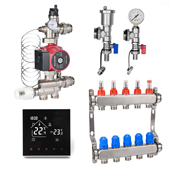
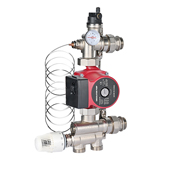
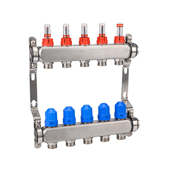
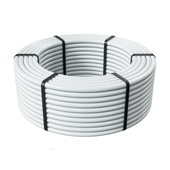
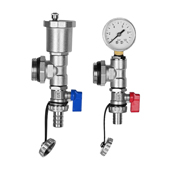
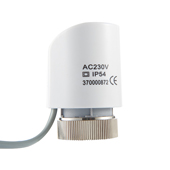

Underfloor heating can work beneath a much wider choice of flooring than you might realise. Tiles and stone are particularly effective because they transfer heat readily, but they are far from the only suitable options. Engineered wood, laminate, vinyl and even carpet can all be used successfully, provided the flooring is approved for underfloor heating and the complete floor construction has been considered. The 'best' flooring for underfloor heating in your home depends on the room, your preferred finish, whether you are installing electric or water underfloor heating, the condition and construction of the subfloor and the amount of heat the room needs.
What makes flooring suitable for underfloor heating?
An underfloor heating system needs to transfer warmth upwards through the floor covering and into the room. Materials that allow heat to pass through easily will usually warm up more quickly and enable the heating system to respond more effectively. The suitability of underfloor heating flooring is influenced by several connected factors rather than the surface material alone.
- Thermal conductivity – Tile and stone are strong conductors, so warmth from the heating cables or pipes can travel through them relatively easily. Carpet and thick underlays are more insulating, which means they slow the movement of heat. A highly conductive floor can feel warmer sooner after the heating is switched on and less conductive flooring can still be comfortable, but the system may take longer to affect the room temperature or provide a lower heat output at the surface.
- Thermal resistance – This is effectively the other side of the same calculation. The more resistance there is between the heating system and the room, the harder it is for heat to travel upwards. Every layer contributes to the overall resistance, including the floor covering, underlay, adhesive, levelling compound and any other material above the heating system. A thin floor covering does not automatically guarantee good performance when fitted over a highly insulating underlay.
- Floor thickness – Thicker flooring generally takes longer to warm because the heat has more material to pass through. This does not necessarily make it unsuitable – dense materials such as stone and screed can take longer to reach temperature but may also retain warmth after the heating has been turned down. With wood, laminate, vinyl and carpet, unnecessary thickness can reduce heat transfer without offering the same heat-retaining benefits. Always check the permitted thickness and thermal resistance stated by the flooring and heating manufacturers.
- Maximum temperature limits – Some flooring products must not be heated beyond a specified surface temperature. Many manufacturers of wood, laminate and vinyl flooring set a maximum temperature, often around 27°C, but this is not a universal limit and should never be assumed. The thermostat, controls and, where required, a floor temperature sensor must be configured to protect the chosen finish. This is particularly important in rooms with higher heat loss; a floor covering with a relatively low maximum temperature may not allow the system to deliver enough heat on its own, even though the flooring is technically compatible.
Tiles and stone: excellent heat transfer and lasting warmth

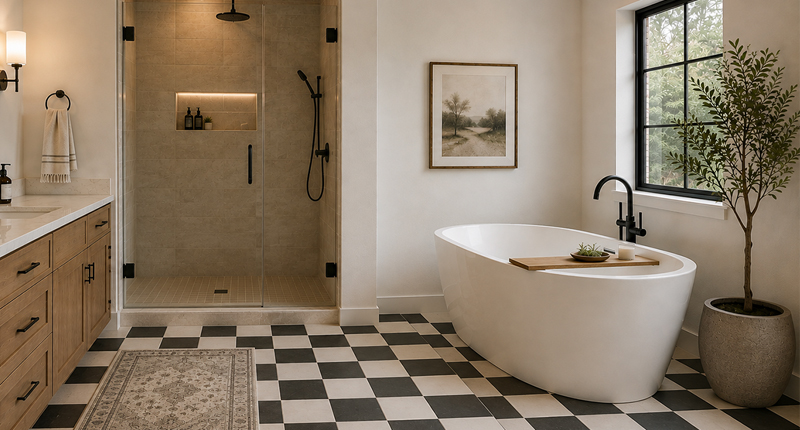
Ceramic, porcelain and natural stone tiles are widely considered among the best flooring for underfloor heating. These dense materials conduct heat effectively, allowing warmth to reach the floor surface with relatively little resistance. Tiles for underfloor heating are particularly popular in kitchens and bathrooms. They are durable, easy to clean and suitable for rooms where splashes and moisture are expected. Underfloor heating also removes the cold feeling often associated with tiled floors during the winter.
Tile and stone can heat up efficiently while also retaining warmth once they are at temperature. The precise response time will depend on the thickness of the tiles, the floor construction and whether the heating is installed close to the surface or within a deeper screed. The floor beneath the tiles must be stable, flat and properly prepared. Any adhesive, grout, levelling compound or movement-control system used in the installation should be approved for both the flooring and the chosen underfloor heating system.
Engineered wood: the practical choice for a natural finish

Homeowners who prefer the appearance and texture of real timber will often find engineered wood more suitable than solid wood. Engineered boards are constructed from several layers rather than one solid piece of timber. This makes them more dimensionally stable when temperatures and moisture levels change and they are therefore less prone to the movement, warping or opening of gaps that can occur when unsuitable wooden flooring is repeatedly heated and cooled.
Underfloor heating with wooden floors still requires careful specification. Board thickness, timber species, construction and installation method can all affect performance. A very thick engineered board will provide greater resistance than a thinner product, while certain floating installations may introduce an additional underlay layer. The timber should be stored, acclimatised and fitted in line with the flooring manufacturer's instructions.
Engineered wood can be a strong choice for living rooms, dining rooms and bedrooms where homeowners want a warmer-looking, natural surface without losing the benefits of underfloor heating. Check that the exact product, rather than engineered wood flooring in general, is approved for the system.
Laminate: affordable and widely available
Underfloor heating under laminate is possible with many modern flooring ranges. Laminate provides the appearance of wood or stone at a more accessible price and is available in a broad choice of finishes. It is usually relatively thin, which can support effective heat transfer. However, the flooring and underlay must both be suitable for underfloor heating. A thick, highly insulating underlay can undermine the performance of an otherwise compatible laminate.
Manufacturers may specify a maximum floor temperature and an overall thermal resistance for the installation. The heating should also be brought up to temperature gradually, rather than exposing the floor to a sudden increase in heat.
Laminate can work well in living rooms, bedrooms, hallways and other dry areas. In kitchens or bathrooms, choose a product specifically designed for the moisture conditions in that room. Compatibility with heat does not automatically make laminate suitable for prolonged exposure to water or humidity.
Vinyl and luxury vinyl tile (LVT): responsive and practical

Underfloor heating under vinyl can work very effectively because vinyl and luxury vinyl tiles tend to have a slim profile and relatively low resistance to heat. They often warm and cool more quickly than thicker timber or stone floors, making them useful where responsive temperature control is important. Vinyl and LVT are also easy to clean and available in convincing wood, stone and patterned finishes.
Heat sensitivity is the main consideration. Many vinyl flooring manufacturers impose a maximum floor temperature, and excessive heat can cause damage, movement or discolouration. A suitable control system and floor sensor may therefore be required. The subfloor must be smooth and properly prepared because imperfections can show through flexible vinyl surfaces.
Carpet: comfortable, but check the tog rating
Underfloor heating under carpet is entirely possible, although carpet naturally provides more resistance to heat than tile, stone or thin vinyl. The most important figure is the combined tog rating of the carpet and underlay. Tog measures how strongly a material resists heat passing through it. The carpet may have an acceptable rating on its own, but pairing it with a thick insulating underlay could prevent enough warmth from reaching the room.
A commonly used upper limit is a combined rating of 2.5 tog, although the permitted figure can vary between heating systems and flooring suppliers. Choosing a lower-tog carpet and an underlay specifically designed for underfloor heating will generally improve performance. Thick felt-backed carpets and highly insulating underlays may be unsuitable.
Carpet can be an appealing option in bedrooms and living rooms, where softness and comfort are priorities. The system may respond more slowly than it would beneath tile, but the room can still be heated effectively when the floor build-up has been included in the original heating design.
Solid wood: possible, but more demanding
Solid wood is made from a single piece of timber and naturally expands and contracts as heat and moisture levels change. This makes it more challenging to combine with underfloor heating than engineered wood. Some solid wood flooring products can be used successfully, but suitability will depend on the species, moisture content, board width, thickness and fitting method. Wide or thick boards can be particularly vulnerable to movement and can create greater resistance to heat.
Homeowners should obtain written confirmation from the flooring manufacturer before choosing solid wood. Where there is any uncertainty, engineered timber is usually the more straightforward choice for achieving a real-wood finish over underfloor heating.
Does flooring choice differ between electric and water systems?
Both electric and water underfloor heating can be used beneath many of the same floor coverings. The more significant differences often relate to how the system is installed, how close it sits to the finished surface and how quickly the complete floor construction responds.
Electric underfloor heating flooring

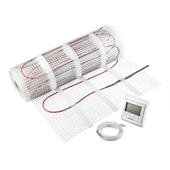
Electric systems use heating cables or mats beneath the floor. Some installations position the heating element relatively close to the floor covering, which can produce a quicker response than a deeply embedded system.
Electric underfloor heating is commonly considered for individual rooms and renovation projects, including tiled kitchens and bathrooms. Certain electric systems are also designed for use beneath laminate, engineered wood, vinyl or carpet, but the correct system must be selected for the floor finish. Always match the heating product to the floor construction recommended by its manufacturer.
Water underfloor heating flooring

Water underfloor heating circulates warm water through pipes beneath the floor. It is often installed across larger areas, extensions and new-build properties, although low-profile options are also available for renovations. Pipes may be embedded within screed or installed as part of an overlay, suspended timber or panel system. A screeded floor will usually take longer to warm than a system installed closer to the surface, but its thermal mass can help it hold heat for longer.
Water underfloor heating flooring therefore needs to be considered alongside the complete build-up. A highly conductive surface such as tile can maximise heat transfer, while wood, laminate, vinyl and carpet may also perform well when their resistance has been included in the system design.
Underfloor heating and flooring installation
Good flooring cannot compensate for a poorly planned floor construction. Insulation beneath the heating system helps direct more heat upwards rather than allowing it to escape into the structure below. The subfloor must be clean, stable, level and sufficiently dry before heating or flooring is installed. Fitting a floor covering too soon can trap moisture or contribute to later movement and damage.
Underlays should be chosen for heat transfer as well as comfort or sound reduction. Adhesives, grouts and levelling compounds must tolerate repeated heating cycles and should be used in accordance with their manufacturers' instructions. After installation, the heating may need to remain off while screed, adhesive or other materials cure, and when it is commissioned the temperature should usually be raised gradually.
Professional advice may be needed to calculate heat loss, specify the system, prepare the floor and confirm that every layer is compatible.
How to find the best flooring for your underfloor heating
Begin by considering the heating requirements of the room rather than choosing the flooring in isolation. A well-insulated bedroom has different needs from a large glazed extension or an open-plan kitchen. Confirm which electric or water system will be installed, how it will be built into the floor and what heat output the room requires. You can then compare suitable floor coverings based on their thermal resistance, temperature restrictions, moisture performance, maintenance and appearance.
Tile and stone provide excellent heat transfer, while engineered wood balances performance with a natural finish. Laminate and vinyl can offer practical, cost-conscious choices, and carpet remains possible when its combined tog rating is low enough. The best result comes from treating the heating, insulation, subfloor, installation materials and final surface as one complete floor rather than a collection of separate products.
If you're planning a bathroom renovation, a new kitchen or a larger whole-home heating project, Radiator Outlet offers both electric and water underfloor heating, alongside thermostats, insulation and essential system components. Shop our underfloor heating range to compare your options and find a system suited to your room, floor construction and chosen finish. Before ordering, check the guidance for your heating system and flooring product or seek professional advice where required.