Need Radiators FAST?


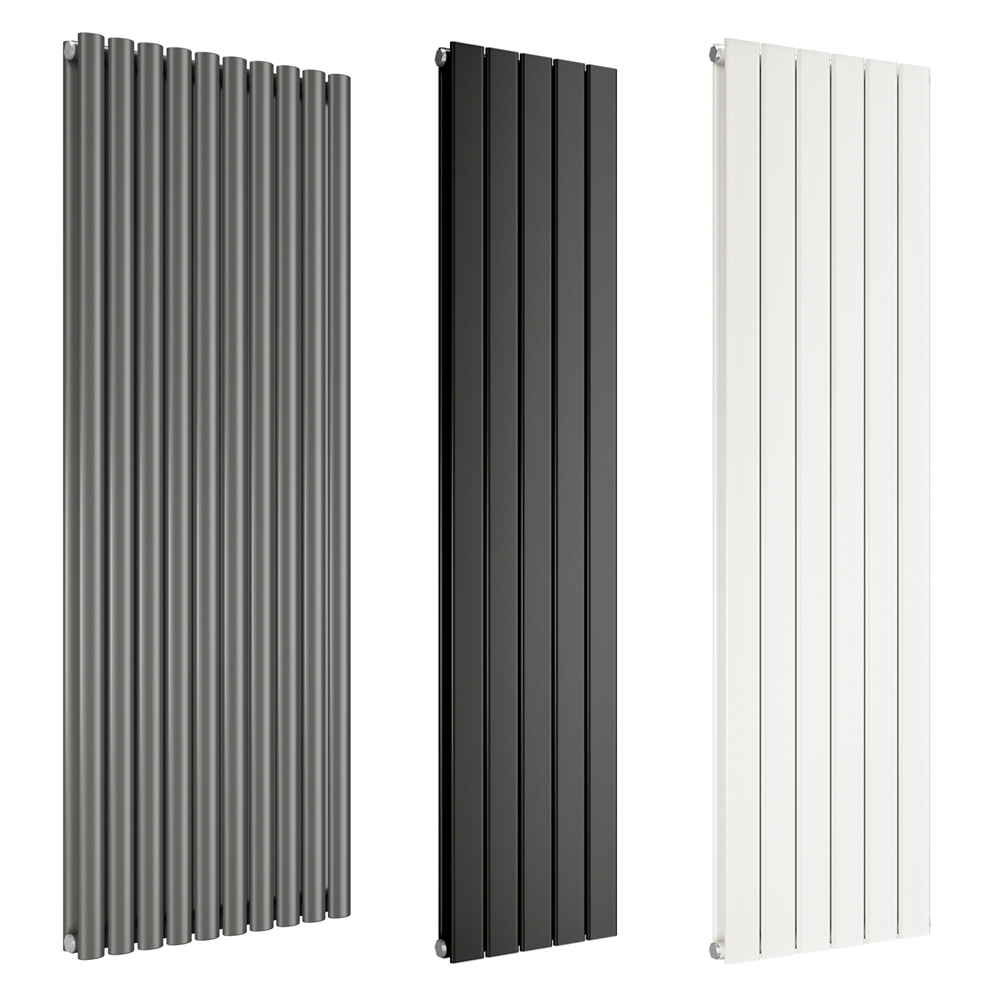
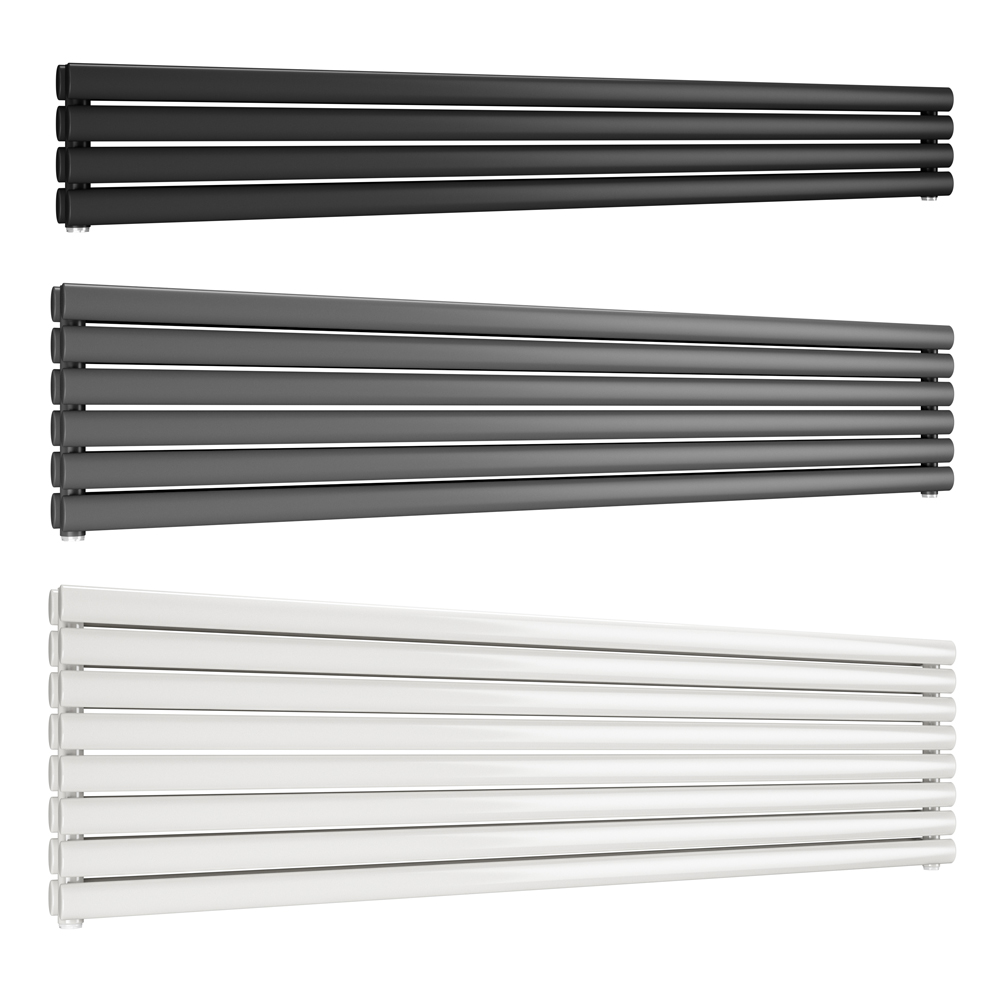
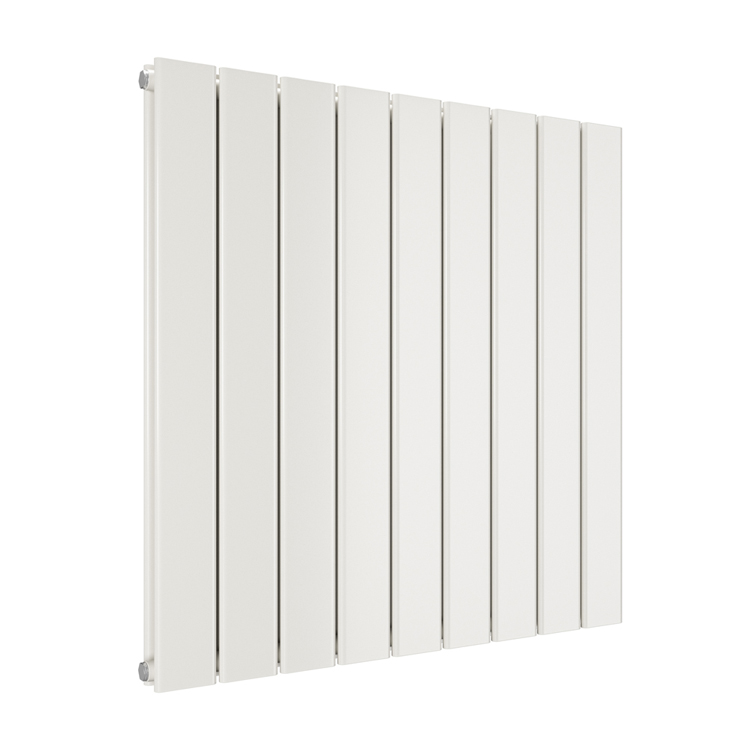
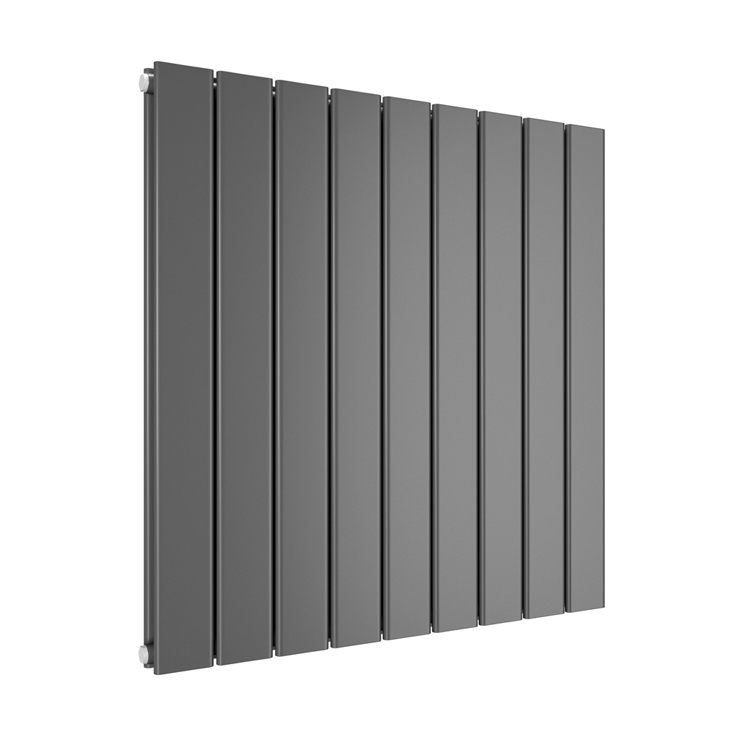
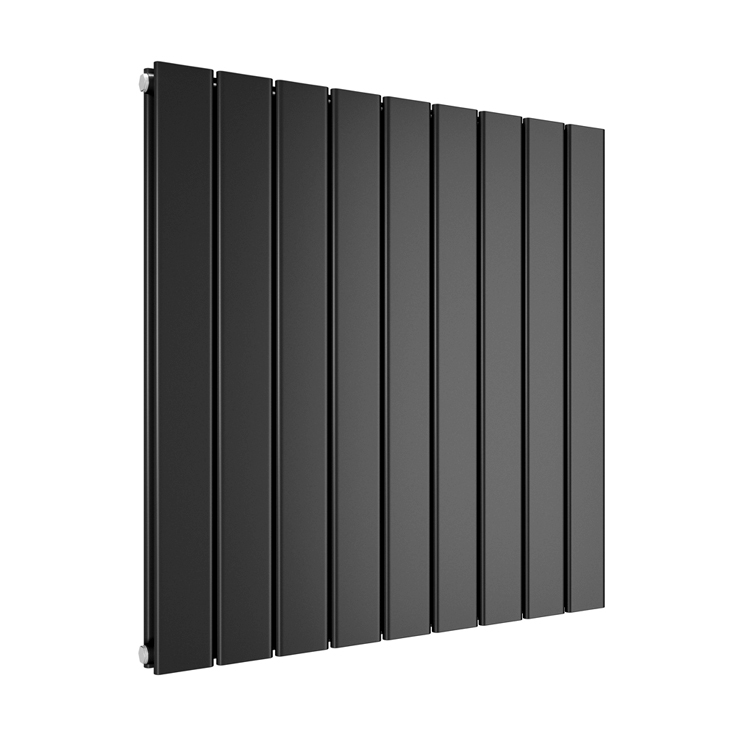
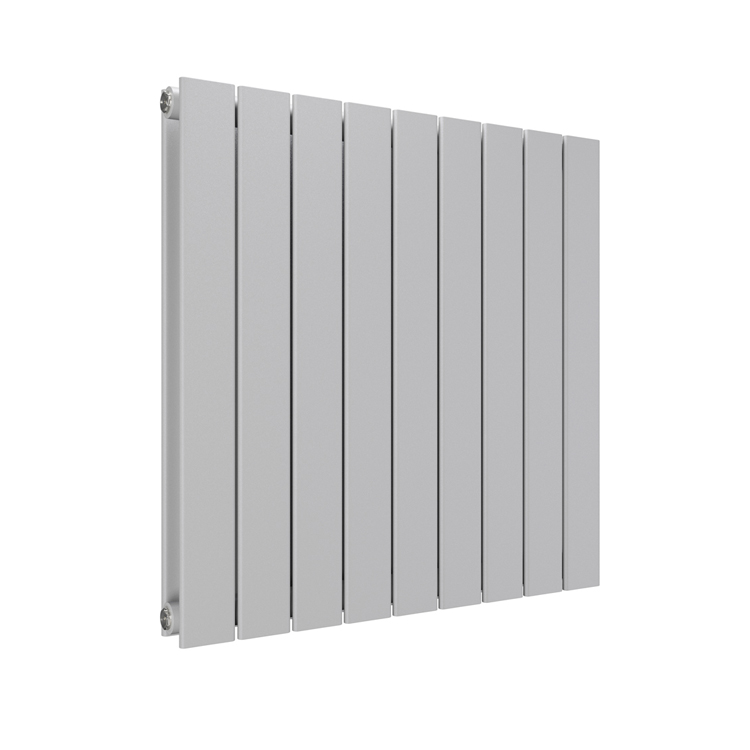
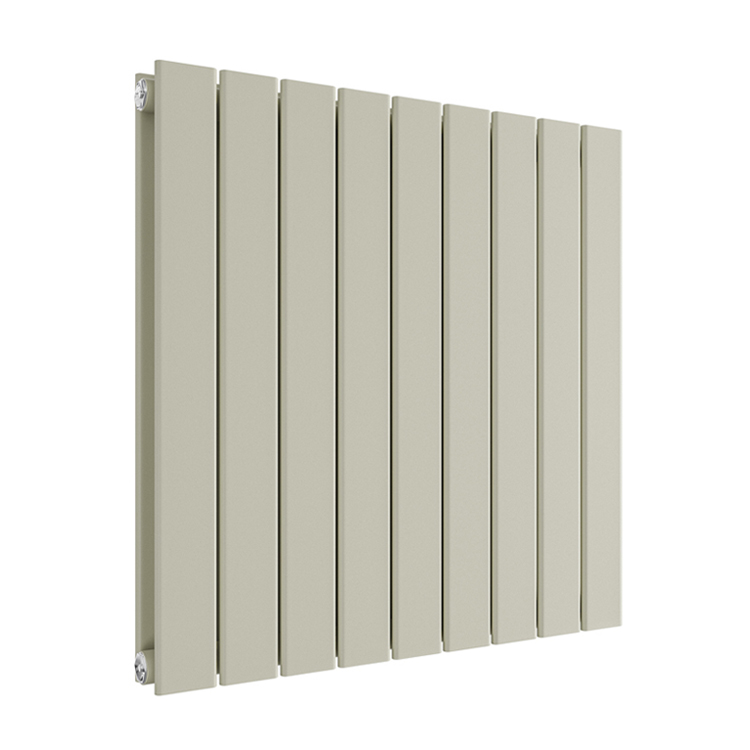
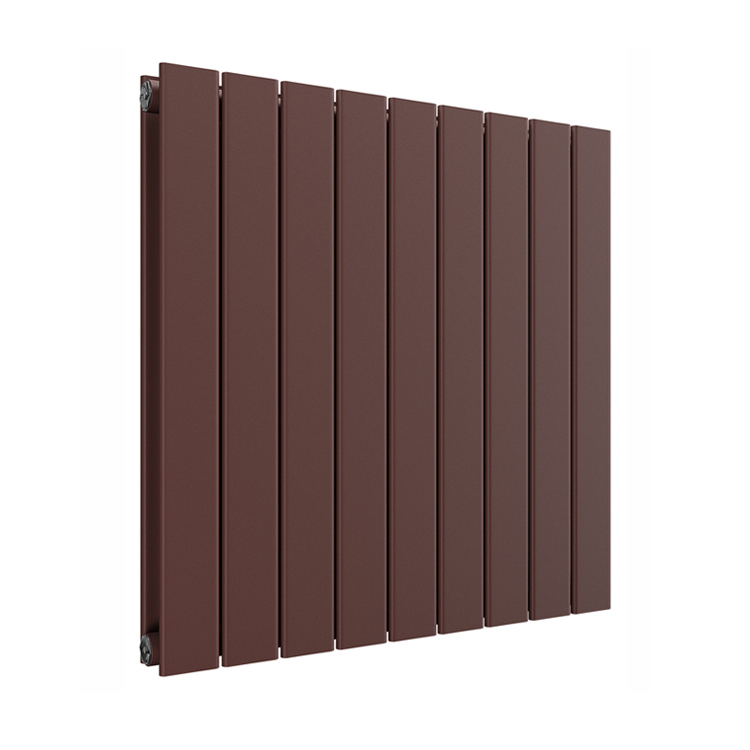
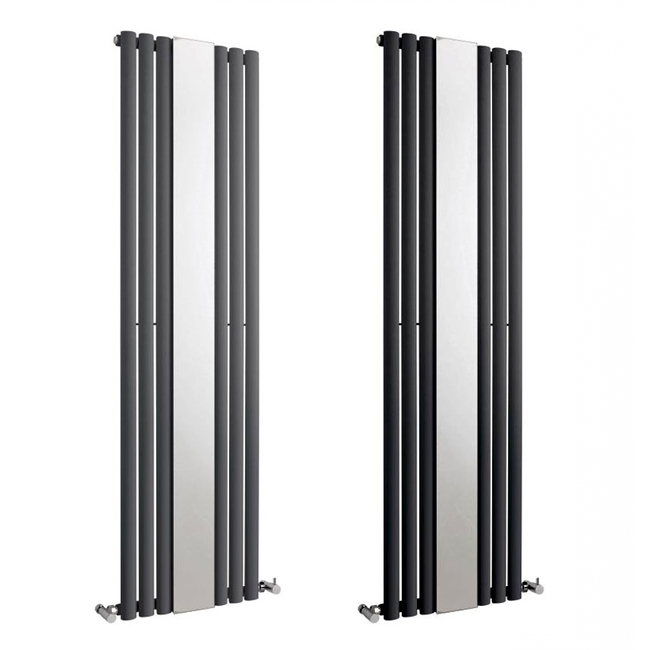
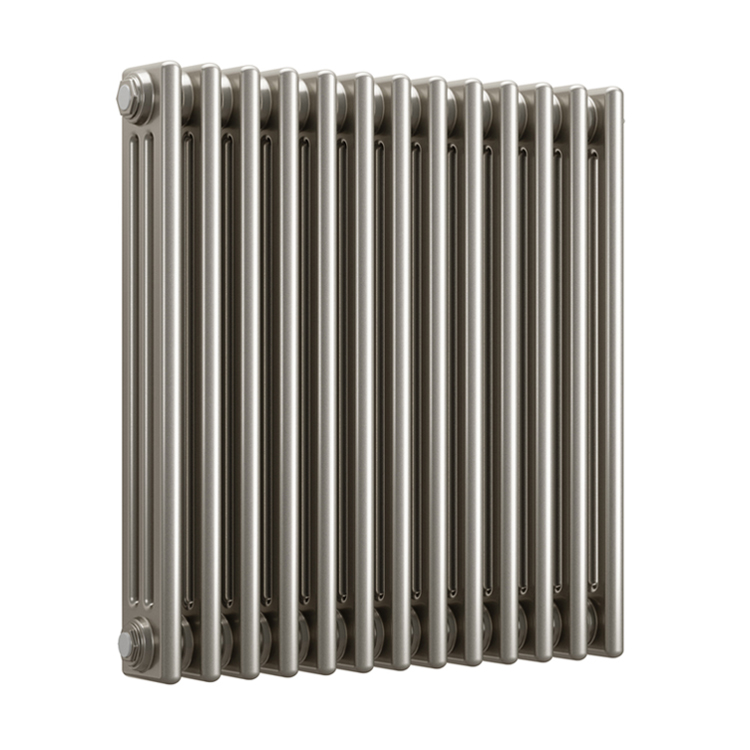
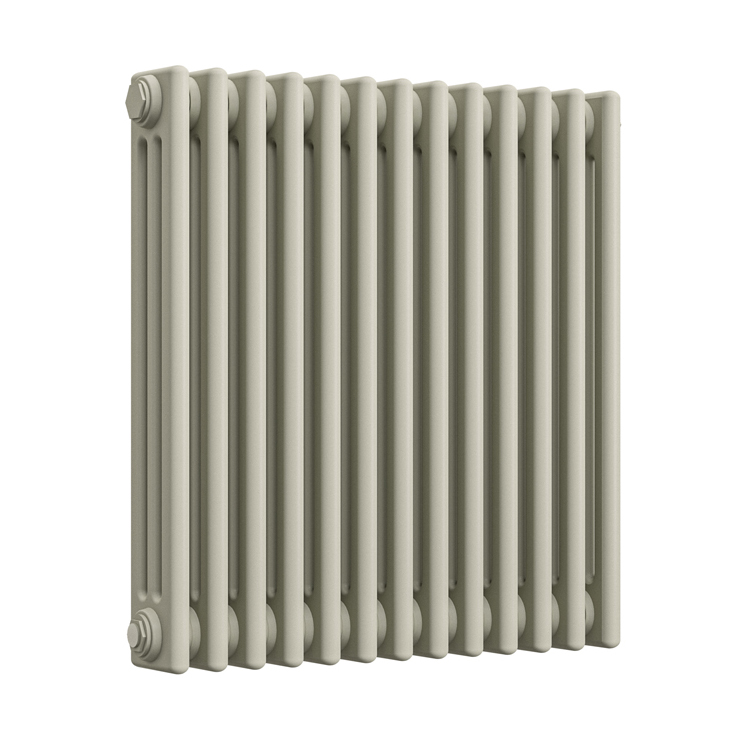
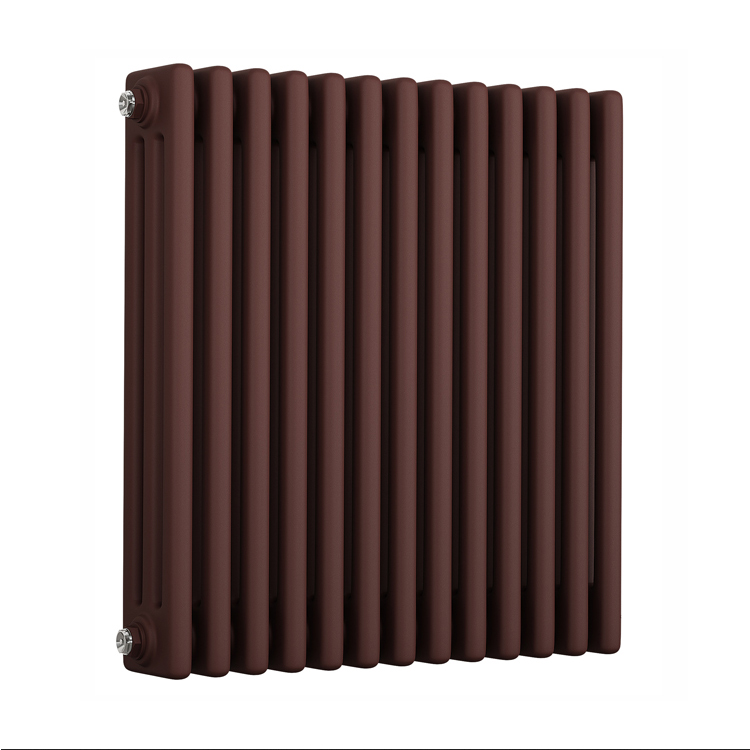
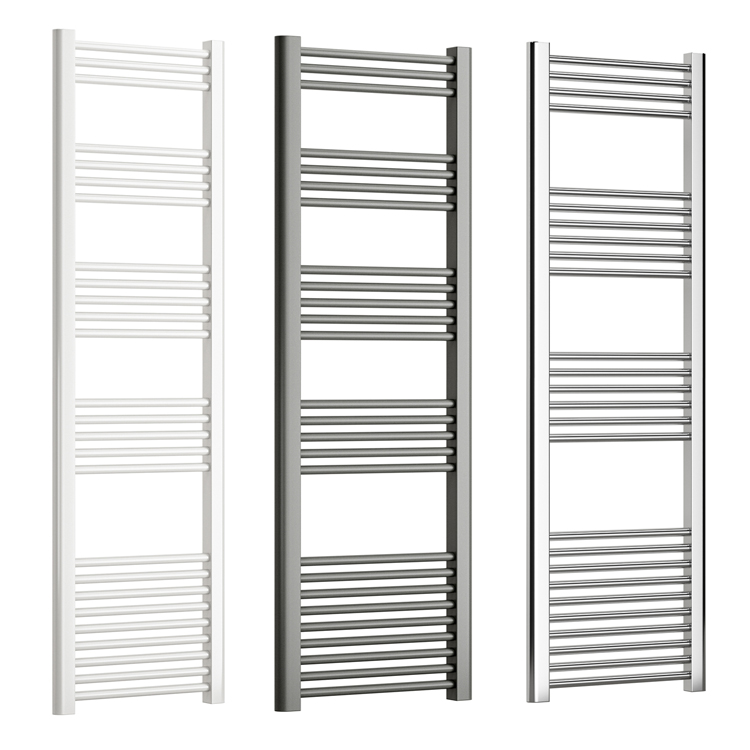
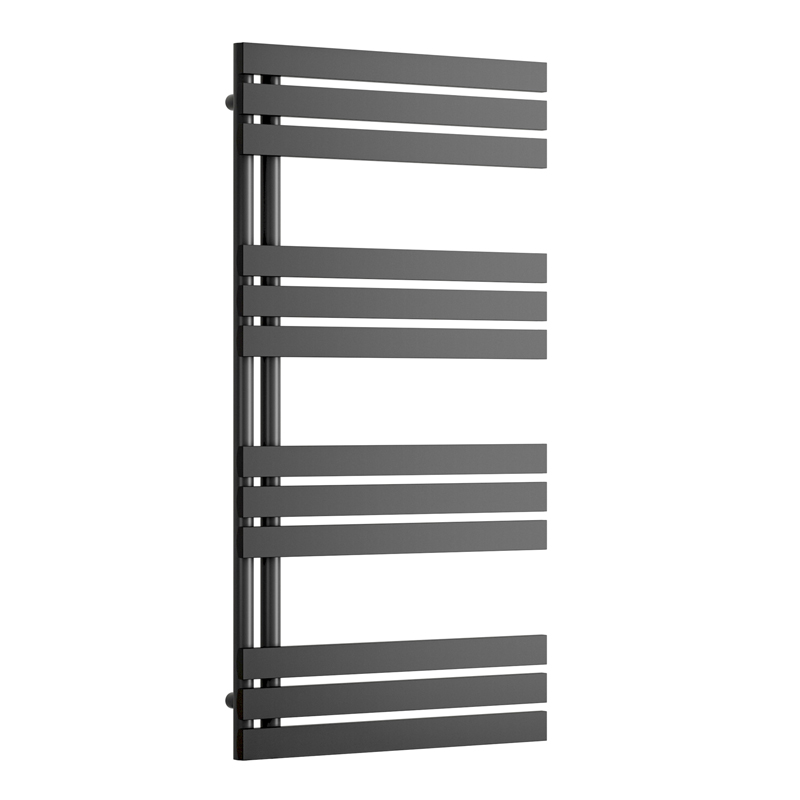
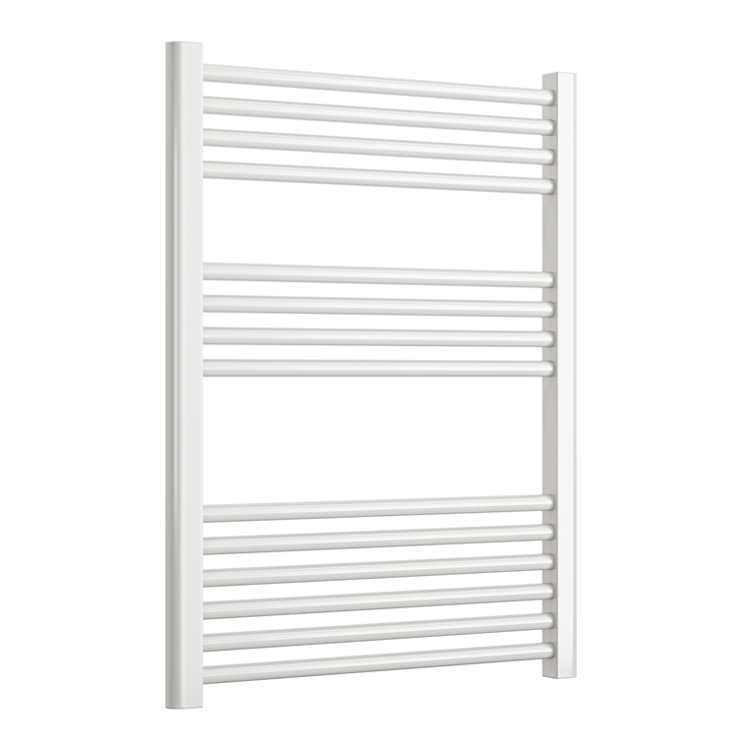
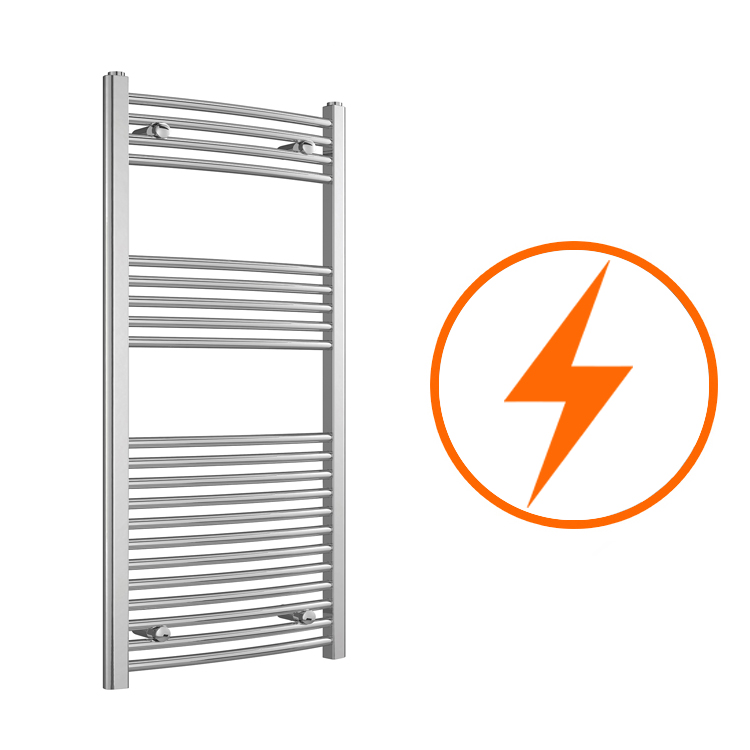

Pick the wrong radiator panel type and you could end up sacrificing either valuable wall space or the heat output your room actually needs. A single-panel radiator has one main heating panel, while a double-panel radiator has two. That extra panel provides greater surface area, so a double-panel model will generally produce more heat than a comparable single-panel radiator of the same height and width. The trade-off is depth: double-panel radiators usually project further into the room. That sounds simple enough, but panel count alone shouldn't decide which radiator you buy – the starting point should always be how much heat your room needs.
What changes when you add a second radiator panel?
With a standard central heating radiator, hot water passes through the radiator and heats its metal surfaces. Heat is then transferred into the room through a combination of radiation and convection. Increasing the amount of heated surface area allows a radiator to transfer more heat. This is why adding a second panel can significantly increase radiator heat output without necessarily increasing its height or width.
Many panel radiators also incorporate convector fins, which add further surface area and encourage warm air to circulate. You may therefore see descriptions such as Type 11, Type 21 and Type 22. These refer to different combinations of panels and convector fins, so two radiators described as 'double-panel' will not necessarily have identical performance.
More panels mean more heat
Double-panel radiators generally have a higher British Thermal Unit (BTU) or watt output than single-panel radiators of comparable height and width because they offer more surface area from which to transfer heat. But that doesn't automatically make a double-panel radiator the right choice.
If your room only requires the output provided by a single-panel model, installing a substantially higher-output radiator simply because it has two panels offers little practical benefit. Equally, choosing a slim radiator that cannot provide enough heat for the space is likely to leave the room struggling to reach a comfortable temperature. The better approach is to calculate the room's heating requirement first and then look for radiators capable of meeting it. An accurate heat-loss calculation takes more than floor area into account; room dimensions, glazing, insulation, external walls and the construction of the property can all affect how much heat is required. This is why broad rules such as 'single radiators are for bedrooms' and 'double radiators are for living rooms' can be misleading. Two bedrooms of the same size could have very different heating requirements if one is well insulated and the other has large windows and two external walls.
Width isn't the only measurement
Radiator size usually makes people think about height and width, but depth can be equally important. Single-panel radiators typically have a slimmer profile and sit closer to the wall. That can be useful in a narrow hallway, beside a doorway, behind the sweep of a door or anywhere you want to minimise how far the radiator projects into the usable part of the room.
Double-panel radiators require more depth, but they can solve a different space problem: limited wall width. Imagine that your heat calculation shows you need a relatively high output but you only have one short stretch of suitable wall available. Achieving the required BTUs with a single-panel radiator could mean choosing a much wider model that simply will not fit. A double-panel radiator may provide the output you need within a smaller wall footprint. So, think in three dimensions – measure the available height and width, but also consider radiator depth, furniture positions, doors and how people move around the room.
Are double-panel radiators more efficient?
Higher heat output and greater energy efficiency are not the same thing. A double-panel radiator can transfer more heat at a given set of operating conditions than a comparable single-panel model, but that does not mean adding a second panel automatically reduces the amount of energy your home needs. Your room loses heat through its walls, windows, roof, floor and ventilation. Your heating system has to replace that lost heat to maintain the temperature you have set – panel count is only one part of how that heat is delivered.
Radiator size can, however, affect the way the wider heating system operates. A larger emitter surface can deliver a given amount of heat at a lower water temperature, which is particularly relevant to low-temperature heating systems. If you are looking to buy new radiators, it's important not to assume that 'double panel' automatically means 'more efficient'. Look at the required heat output, radiator specification and the heating system as a whole.
Double-panel radiators costs
Double-panel radiators do not necessarily cost more than single ones. With a wet central heating system, the radiator itself is not using gas or electricity independently; it is transferring heat supplied by your boiler or other heat source. Energy consumption depends on factors including the property's heat loss, thermostat settings, heating controls, system temperatures and the efficiency of the heat source. A double-panel radiator has a greater potential heat output, but that should not be confused with a fixed higher running cost. What matters most is correct sizing; an undersized radiator may struggle to deliver the heat the room requires, while a much larger radiator may be unnecessary for the space. Matching radiator output to room heat loss is a much more useful way to decide judging running costs by panel count alone.
Is a single or double-panel radiator better for a small room?
A small room does not automatically need a single-panel radiator. If its calculated heating requirement is modest, a single-panel model can be an excellent choice and its reduced projection may also make the room feel less cramped. However, a small room can still have a relatively high heat requirement. Poor insulation, extensive glazing or multiple external surfaces can increase heat loss. If there is very little usable wall width, a compact double-panel radiator may prove more practical than fitting a much wider single-panel alternative.
The same principle applies to larger rooms, as a well-insulated space with plenty of wall area may allow you to use one or more single-panel radiators if their combined output meets the requirement.
Single or double panel: how to make the final choice

Once you know your required BTU or watt output, the decision between single and double panel radiators becomes much easier. A single-panel radiator is worth considering if the available models comfortably meet your required output, you want the radiator to sit closer to the wall or you have plenty of wall width but limited room for projection. A double-panel radiator can make more sense if you need a higher output, usable wall width is restricted or meeting your calculated heating requirement with a single panel would require an inconveniently large radiator.
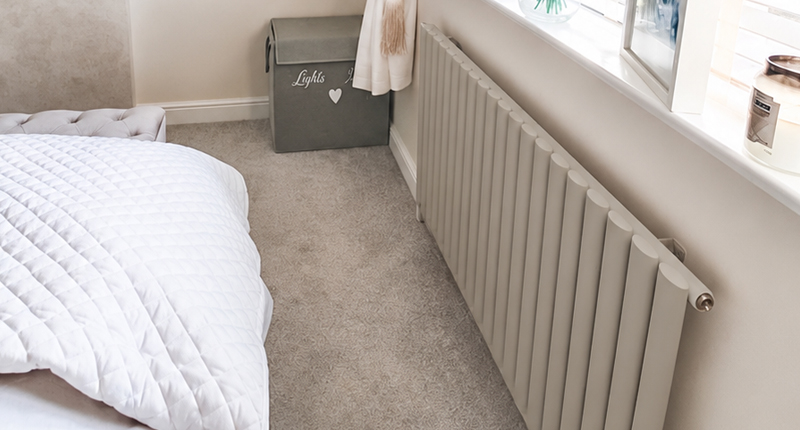
Then consider the radiator as part of the room. Panel configuration is only one aspect of the design. You may prefer a contemporary designer radiator or a more characterful traditional radiator, provided the model you choose can deliver the required heat output for the space. Check the stated BTU or watt rating figure for the specific radiator, rather than assuming two models of similar dimensions will perform the same.
Radiator Outlet offers a wide choice of radiator designs, making it easier to compare dimensions, styles and heat outputs once you know what your room requires. Shop radiators to find the right combination of warmth, size and style for your space.