Need Radiators FAST?

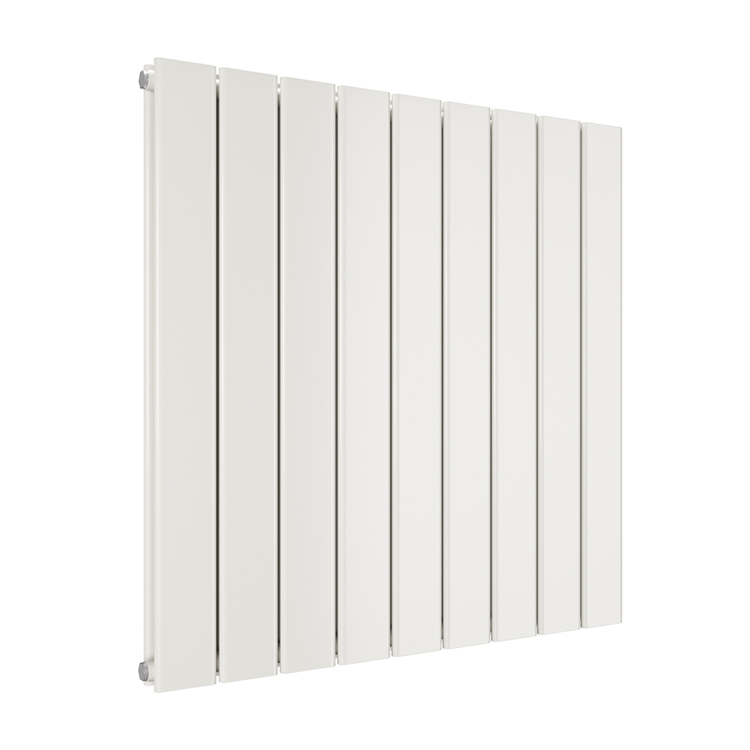
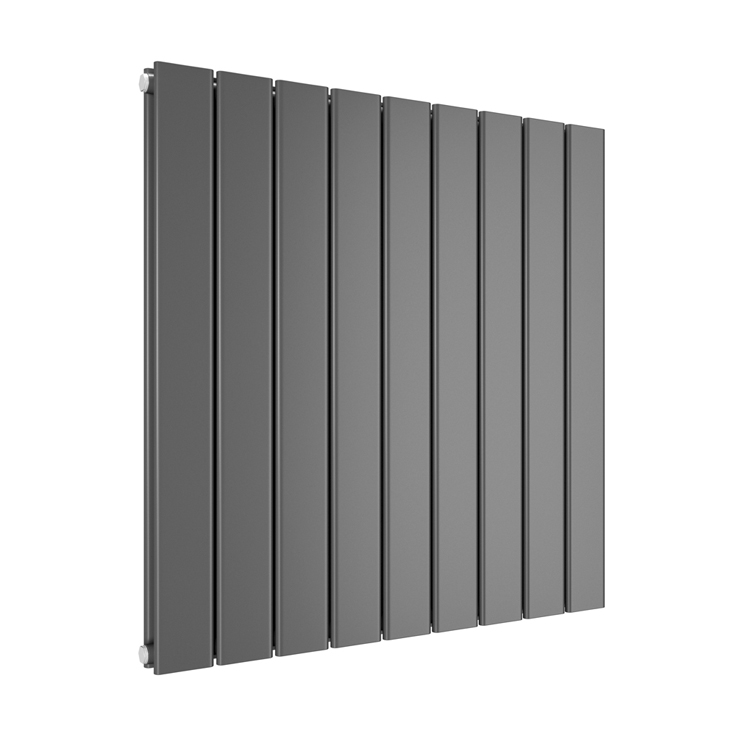
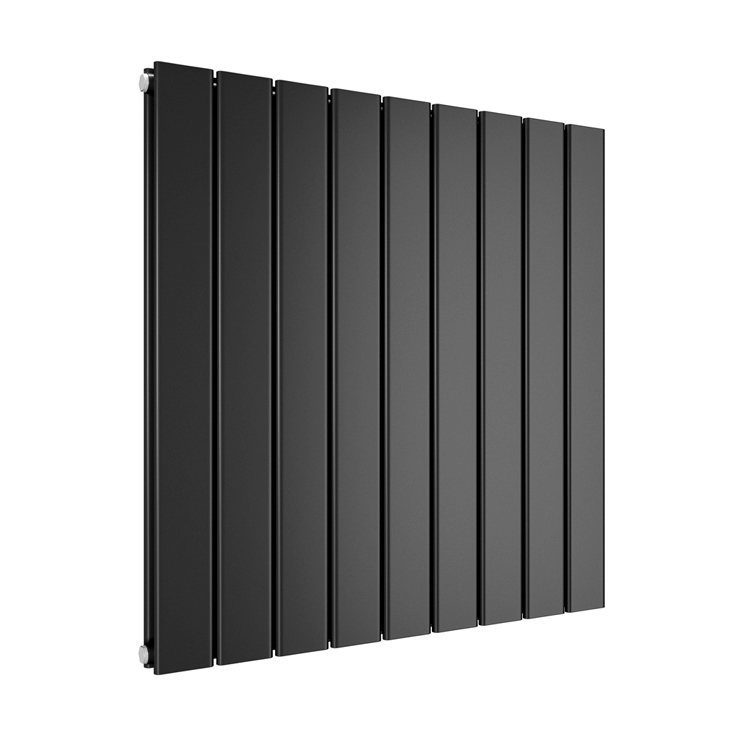
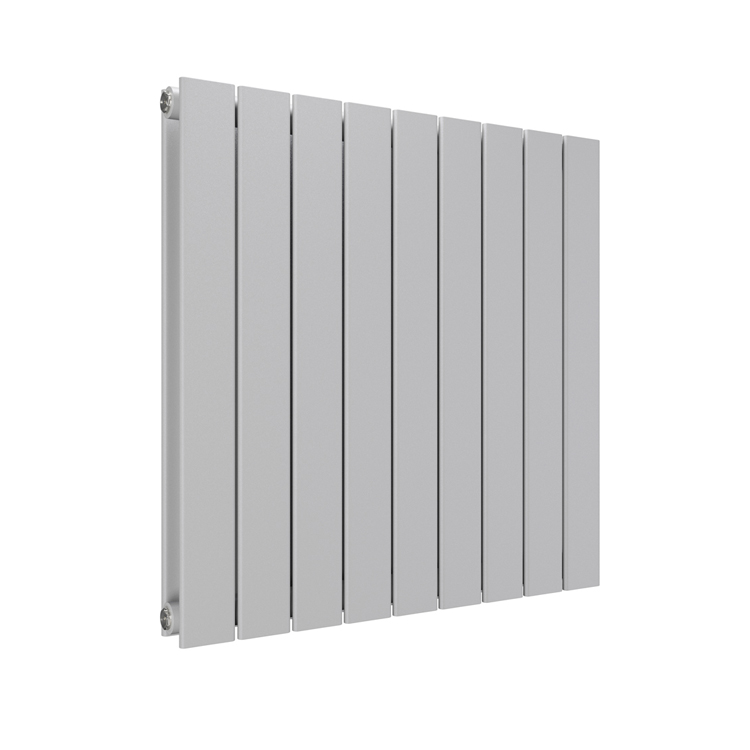
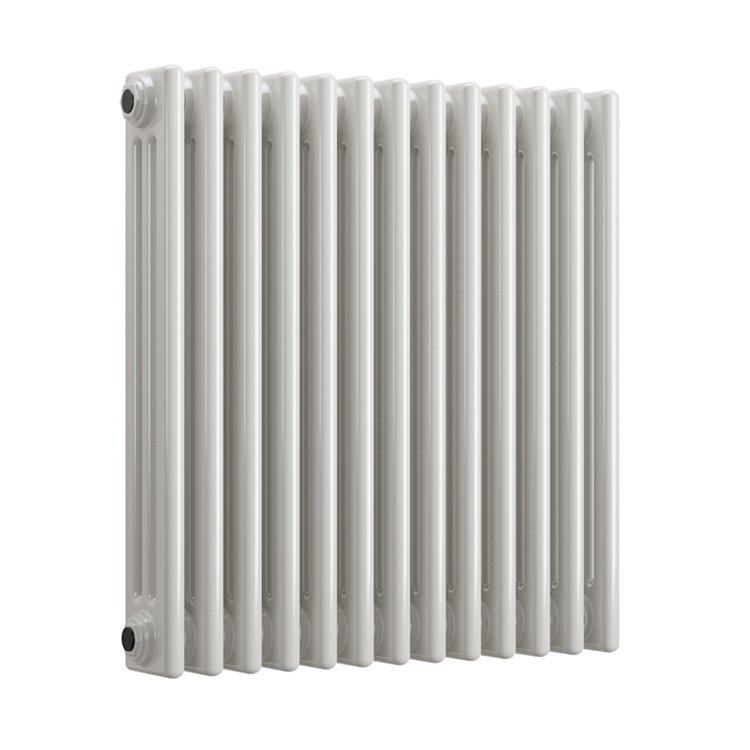
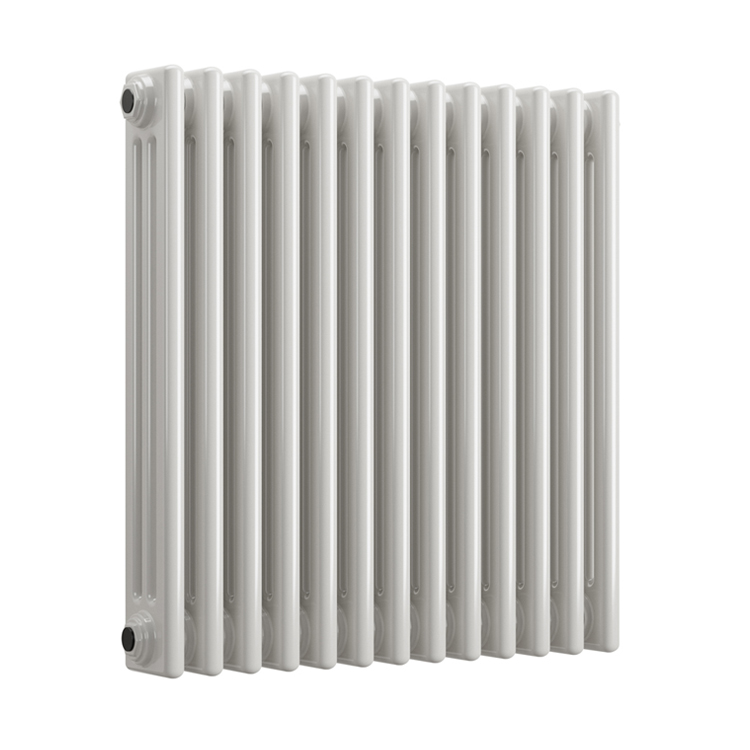
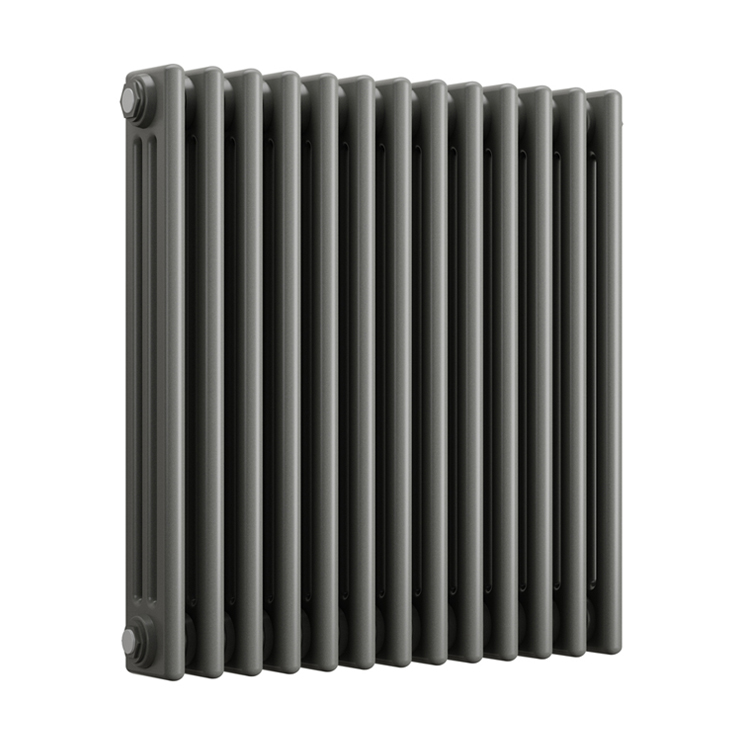
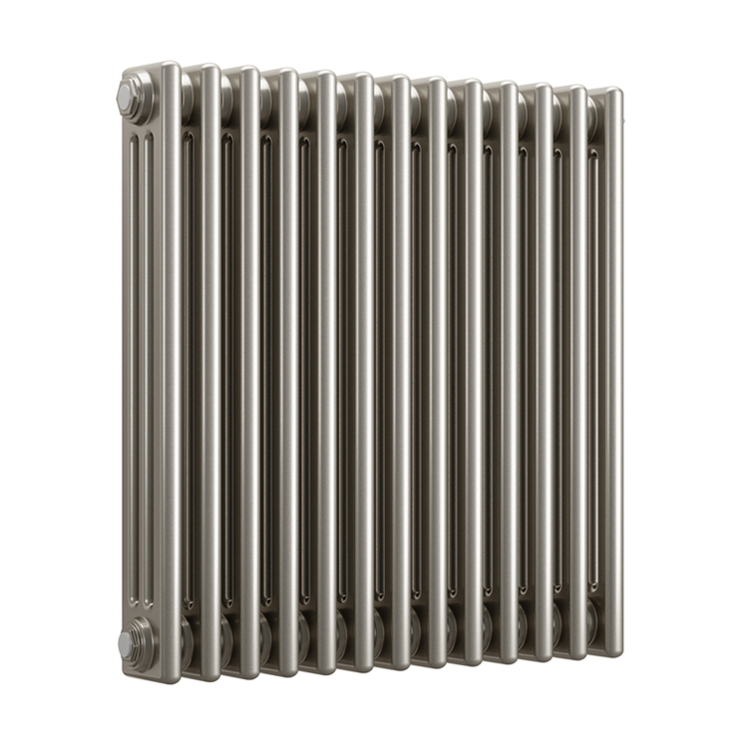
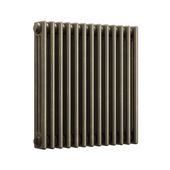
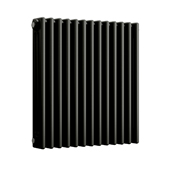
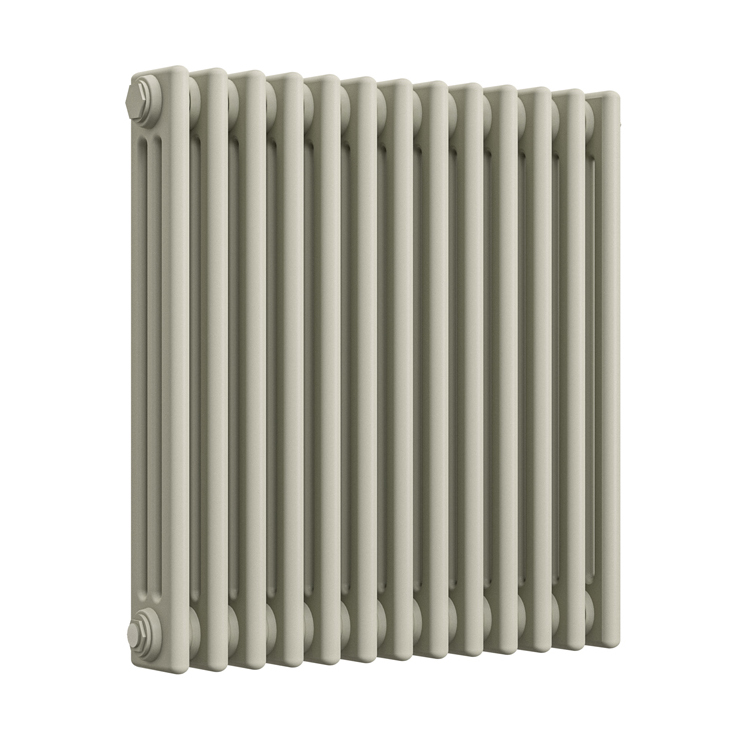
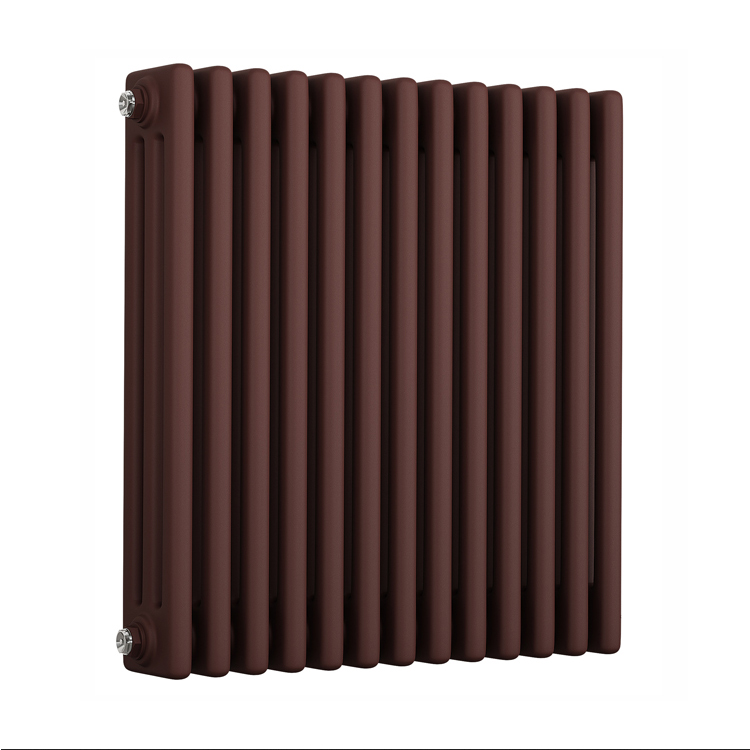
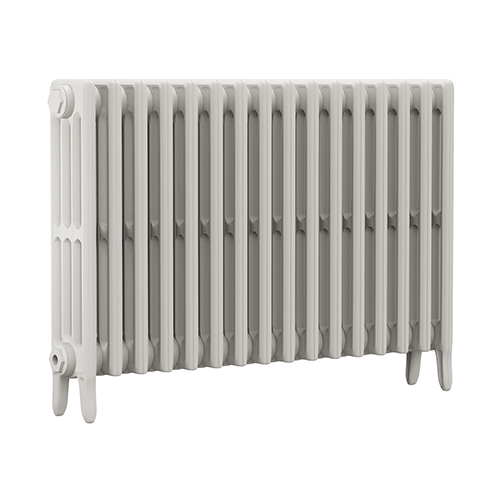
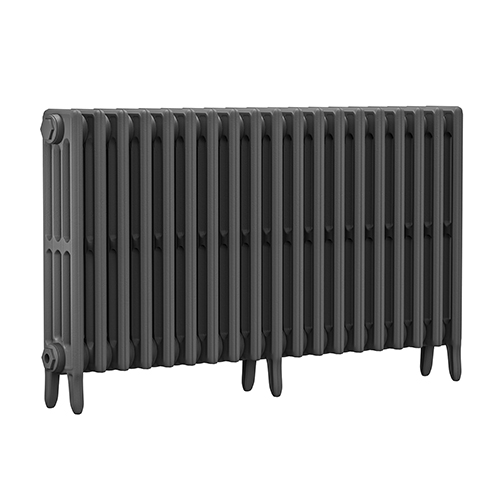
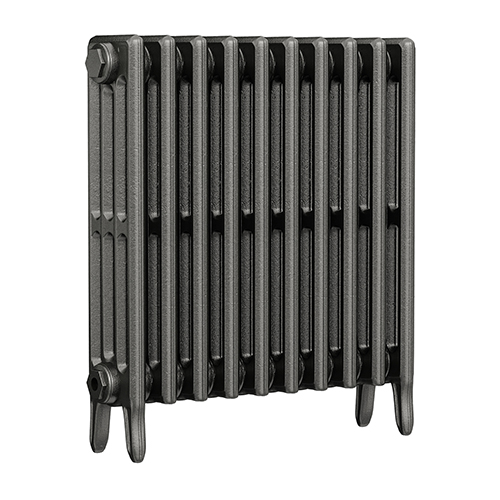
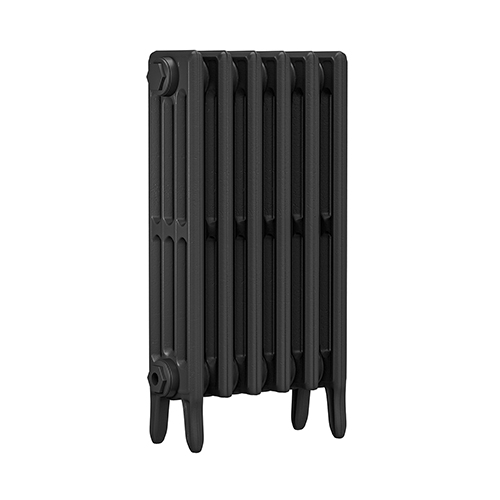

Cast iron radiators heat at their own pace and generally take longer to warm up than lighter modern radiators, but the trade-off is their ability to hold onto heat and continue releasing it after the boiler has stopped firing. That extra thermal mass is part of their appeal, but it also means that some of the habits around central heating can be improved. Rather than turning the thermostat up high and expecting instant warmth, efficient use of cast iron radiators is more about good timing, sensible controls and making sure the heat they produce stays in the room.
Here are some practical ways to get more from them without simply running your heating for longer.
Make the most of cast iron's heat retention
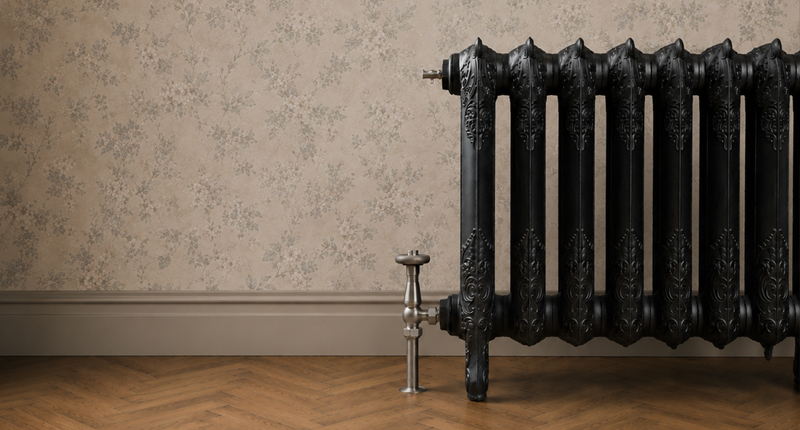
One of the main characteristics of a cast iron radiator is that it stores a considerable amount of heat as it warms. Once hot, the metal cools gradually rather than losing its warmth immediately. Our cast iron range is designed around this traditional construction and long-lasting heat retention, which changes how you may want to schedule your heating.
If your home is comfortably warm by the evening, for example, you may be able to switch the heating off a little earlier and let the radiators continue releasing stored heat. The best timing will depend on the property, outdoor temperature and heating system, so experiment rather than making a large change immediately. The same principle applies in the morning; cast iron needs time to heat up, so programming the heating to start before you need the room can work better than waiting until you feel cold and then turning the thermostat up.
Use thermostatic radiator valves to control each room

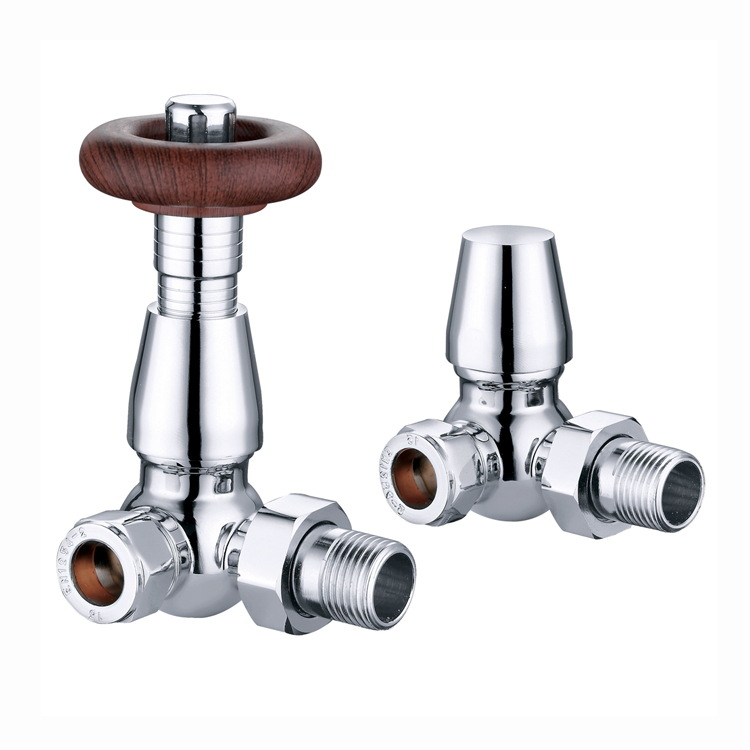
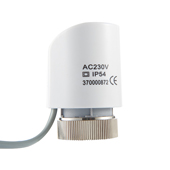
Not every room needs to be kept at the same temperature. Thermostatic radiator valves, or TRVs, regulate the flow of hot water into individual radiators according to the temperature of the room. As the room reaches the chosen setting, the valve reduces the flow rather than continuing to heat at full output. That makes them particularly useful for spare bedrooms, dining rooms and other spaces that are used less frequently. Energy Saving Trust recommends setting each TRV to the lowest level that still keeps that particular room comfortable. Avoid the temptation to leave every valve on its maximum setting. A higher number does not make a cold radiator heat up faster; it simply asks the radiator to keep heating the room to a higher temperature.
Check your boiler flow temperature
Your boiler flow temperature determines how hot the water is when it leaves the boiler and travels around the heating system. Many homes have this set higher than necessary. With a modern condensing boiler, reducing the flow temperature can help the boiler operate more efficiently, provided it remains high enough for the radiators to heat the property properly. It is recommended that you find a balance between a lower flow temperature and maintaining a comfortable home, particularly during colder weather. Cast iron radiators can work well within a carefully controlled system, but avoid assuming there is one ideal boiler temperature for every property – radiator size, insulation, outdoor conditions and the boiler itself all affect the setting required. If you have a conventional boiler with a separate hot water cylinder, take particular care before changing boiler temperatures because the same control may also affect your hot water.
Give cast iron radiators space to heat the room
If you place furniture directly in front of your cast iron radiators, you're not allowing the heat to circulate properly. Sofas, cabinets and heavy curtains can all interfere with the movement of heat into the room. Radiator covers can create similar problems and may also affect the accuracy of a nearby TRV. Always keep a reasonable amount of clear space around the radiator wherever the layout allows. It is also worth resisting the urge to dry piles of washing directly over a radiator. Aside from adding moisture to the room, covering the radiator restricts the heat reaching the space you are trying to warm.
Bleed your radiators if you find cold spots
If the top of a radiator stays noticeably colder than the bottom, trapped air could be stopping hot water from circulating through the whole radiator. Bleeding the radiator releases that trapped air so the radiator can heat more evenly. This is especially worth checking before the start of the colder months rather than discovering the problem when the heating is already working hard.
Always let the heating system cool before bleeding a radiator and check your boiler pressure afterwards if required for your system. Persistent cold spots, particularly at the bottom of a radiator, can point to a different issue such as sludge and may need professional attention.
Stop the warmth escaping from the room
A radiator can be working perfectly while the room itself is wasting heat. Older properties are a natural home for traditional cast iron radiators, but they can also have draughty windows, doors, suspended floors and less insulation than newer homes. Improving those weak spots can reduce how much heat the heating system needs to replace. Simple draught-proofing around suitable windows and doors can make a room feel more comfortable without raising the thermostat. Just take care not to block purpose-built ventilation such as air bricks.
Reflective radiator panels can also be useful where a radiator sits against an uninsulated external wall. Their job is to direct more heat towards the room rather than allowing as much of it to be absorbed by the wall.
Set your heating schedule
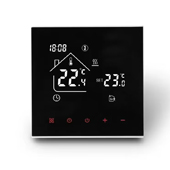
Cast iron's slower response can make leaving the heating on continuously seem tempting, but good controls give you much more flexibility. A programmable thermostat allows you to match heating periods to the times you are actually at home. Smart controls can take this further by allowing schedules to be changed remotely if plans change. The aim is not to keep reheating a property from freezing cold, nor to maintain full heat all day when nobody is there. Find a schedule that suits the way your home holds heat and take the cast iron radiators' slower cooling time into account.
Small adjustments to the start and finish times can often tell you far more than simply changing the thermostat by several degrees.
Choose the right size cast iron radiator for the room

If you are buying new cast iron radiators, energy-conscious heating starts before installation.
Radiators need enough heat output for the room they are expected to warm. A radiator that cannot meet the room's heating requirement may leave the system running without ever delivering the comfort you expected. Take room dimensions, insulation, glazing and other sources of heat loss into account when deciding on the required output. Our cast iron radiator collection includes a range of heights, widths and British Thermal Unit (BTU) outputs, making it possible to choose a model based on heating requirements as well as appearance.
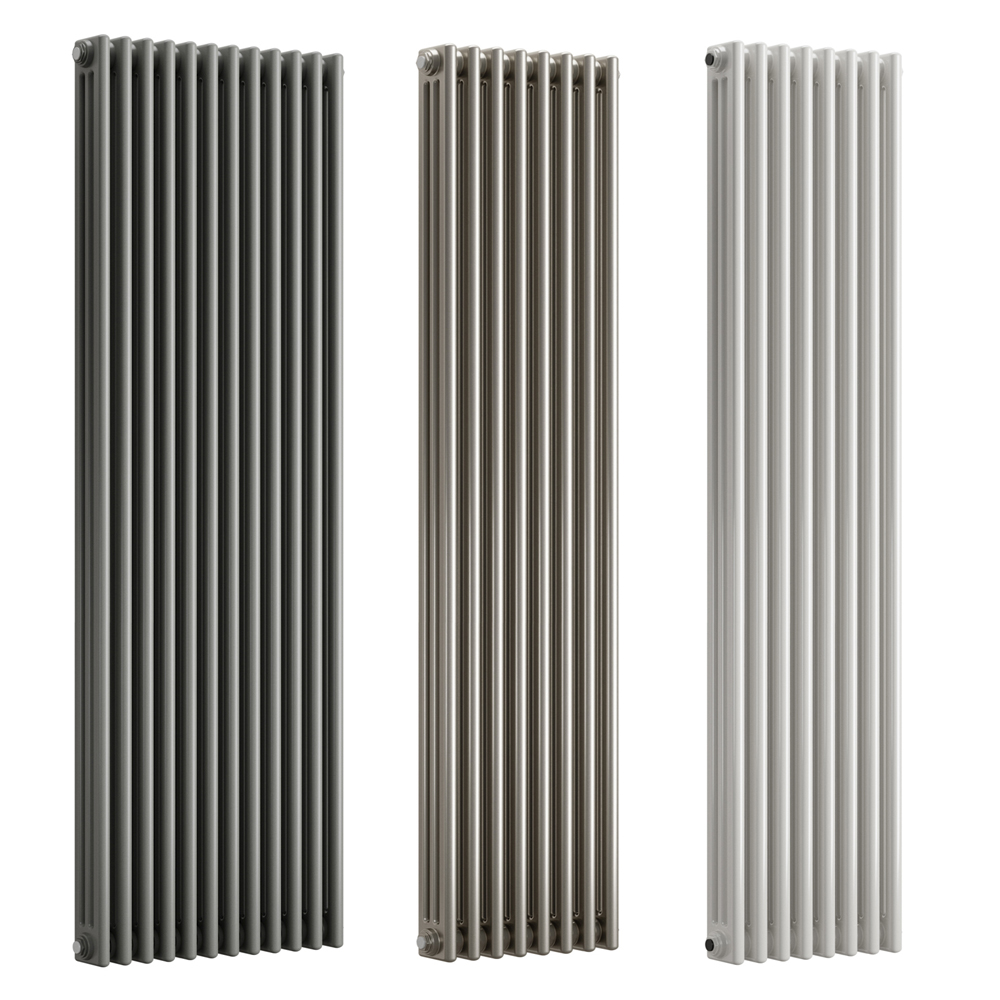
Once the output is right, the finish is largely a design decision. White cast iron radiators offer a brighter traditional look, while grey cast iron radiators can sit comfortably in both classic and contemporary interiors. Raw metal cast iron radiators bring out the industrial character of the material, with black cast iron radiators providing a stronger, darker finish. Colour should not be treated as a meaningful energy-saving choice though – size, output, heating controls and how the radiator is used matters much more.
Get more from your cast iron heating
Cast iron radiators are designed to deliver steady warmth rather than an instant blast of heat. The most efficient way to use them is to work with that characteristic: give them time to warm up, take advantage of the heat they retain, control rooms individually and avoid losing useful warmth through poor heating habits or draughts.
If you are planning a heating update, shop our full range of cast iron radiators with a choice of sizes, heat outputs and finishes to suit traditional and modern interiors.