Need Radiators FAST?

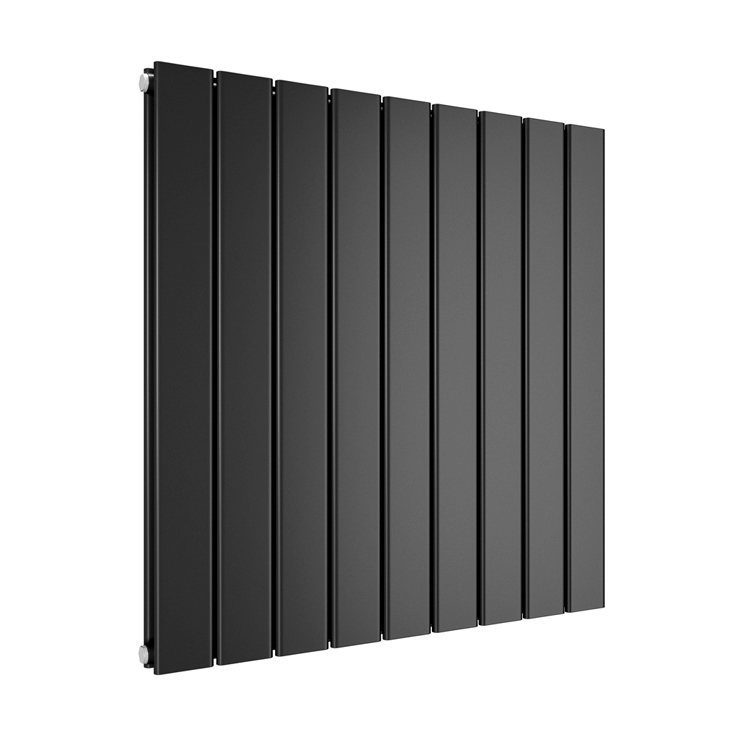
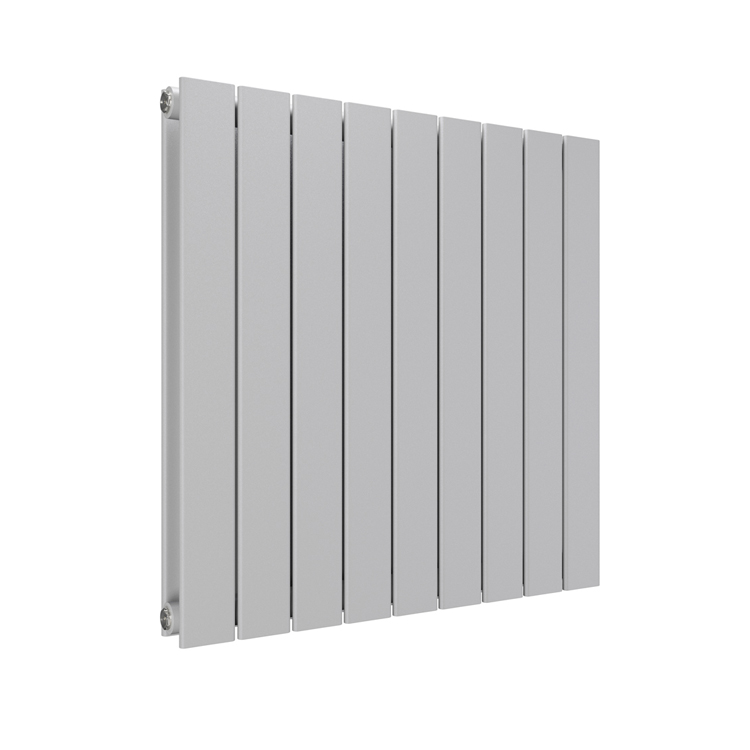
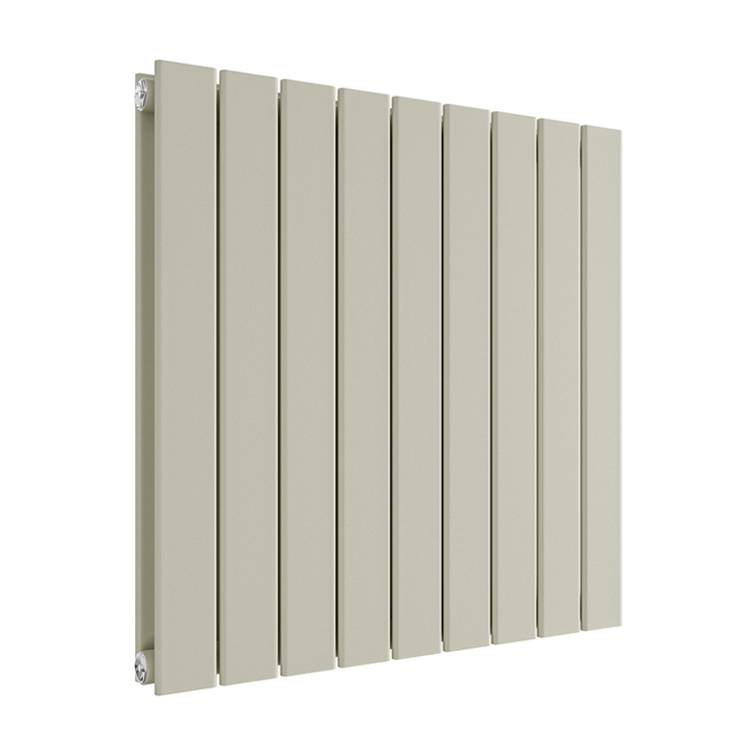
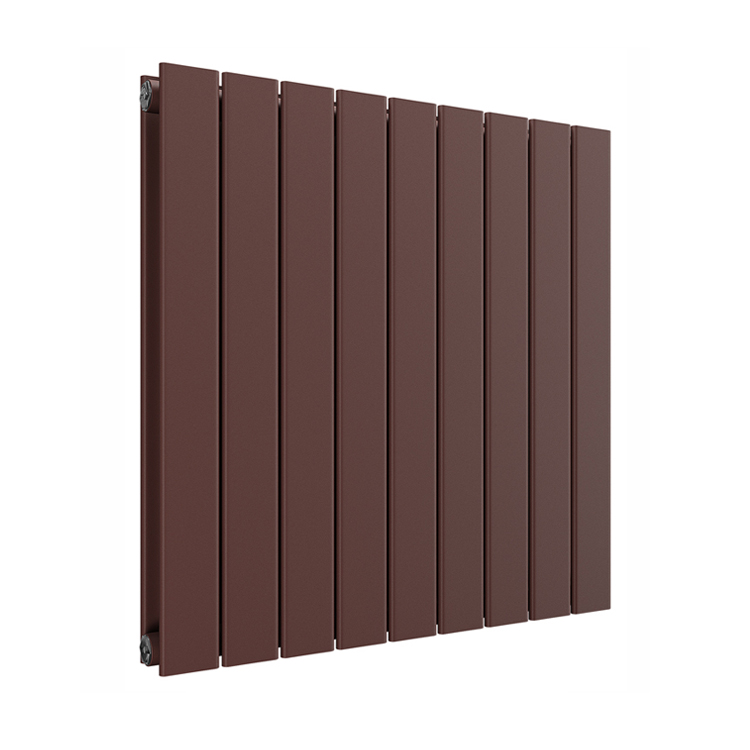



Summer can be one of the most practical times to replace your radiators, especially if your heating is switched off for long stretches and you are already thinking about home improvements. With no daily need to warm the house, radiator replacement tends to feel less disruptive, easier to plan and less urgent than it would in the middle of winter.
That said, the calendar does not always decide the best time to replace a radiator. If a radiator is leaking, badly rusted, slow to heat up or no longer doing its job properly, it should not be ignored simply because the weather is warm. Summer may be convenient, but the real priority is making sure your home heating system is safe, efficient and suitable for the rooms it needs to heat.
A sensible time to replace radiators
For many of us, radiators only become a priority once the colder weather arrives. The problem is that by autumn and winter, plumbers and heating engineers are often much busier, faults feel more urgent and living without working central heating can quickly become uncomfortable. Replacing radiators in summer gives you more breathing space. Because your heating system is likely to be off, you are less likely to notice the temporary disruption that comes with draining part of the system, removing old radiators or adjusting pipework. If a room is being decorated, renovated or rearranged, summer also gives you a good opportunity to think properly about where a radiator should sit, what size it needs to be and which style will work best.
It can also be a better time to make decisions calmly. Instead of rushing to replace a failing radiator because the living room is freezing, you can compare radiator styles, check measurements, think about heat output and choose something that suits both the room and your budget.
Do not delay radiator replacement if something is wrong
Although summer is convenient, there are times when waiting is not the right decision. A leaking radiator should be addressed quickly, even if the leak looks small. Water damage can affect flooring, skirting boards, walls and nearby furniture and a leak may also point to corrosion or a wider issue in the heating system. Rust is another sign that a radiator may be reaching the end of its useful life. A little surface marking does not always mean immediate replacement is needed, but heavy corrosion, flaking metal or bubbling paint around the valves and bottom edges should be taken seriously. Once the metal has weakened, the risk of leaks increases.
Poor performance is also worth investigating. If a radiator stays cold at the bottom, only heats in patches, takes a very long time to warm up or makes unusual noises, it may need bleeding balancing or cleaning. In some cases, however, replacement is the more practical option, particularly if the radiator is old, undersized or no longer efficient enough for the room.
Signs your radiator may need replacing
A radiator does not have to stop working completely before it becomes a problem. Many older radiators decline gradually, which means you can get used to uneven heat, slow warm-up times or rooms that never feel quite comfortable. Cold spots in a radiator can suggest trapped air, sludge build-up or poor circulation. Unusual noises may point to air in the system, pressure issues or movement within the pipework. A radiator that heats much more slowly than others in the house may not be performing as it should, especially if bleeding and basic maintenance have not solved the problem.
There is also the question of suitability. A radiator that was fitted years ago may not match the way a room is used today. A knocked-through kitchen-diner, converted loft, garden room or larger bathroom may need a different heat output from the original space. If a room always feels chilly despite the central heating being on, the radiator may simply not be powerful enough.
A useful step during summer renovations
Radiator replacement often fits naturally into summer renovation work. If you are painting, plastering, changing flooring or updating a room layout, removing an old radiator at the same time can make the job easier and neater. It also means you can avoid the frustration of decorating around a radiator that you plan to replace later. This is particularly useful in rooms where the radiator has a visible impact on the design. Living rooms, hallways, bedrooms and kitchens often benefit from a more considered choice, especially if the existing radiator looks dated or sits awkwardly on the wall. Rather than treating the radiator as a purely practical fitting, summer renovations give you the chance to choose one that works with the rest of the room.
Radiator styles that suit your home

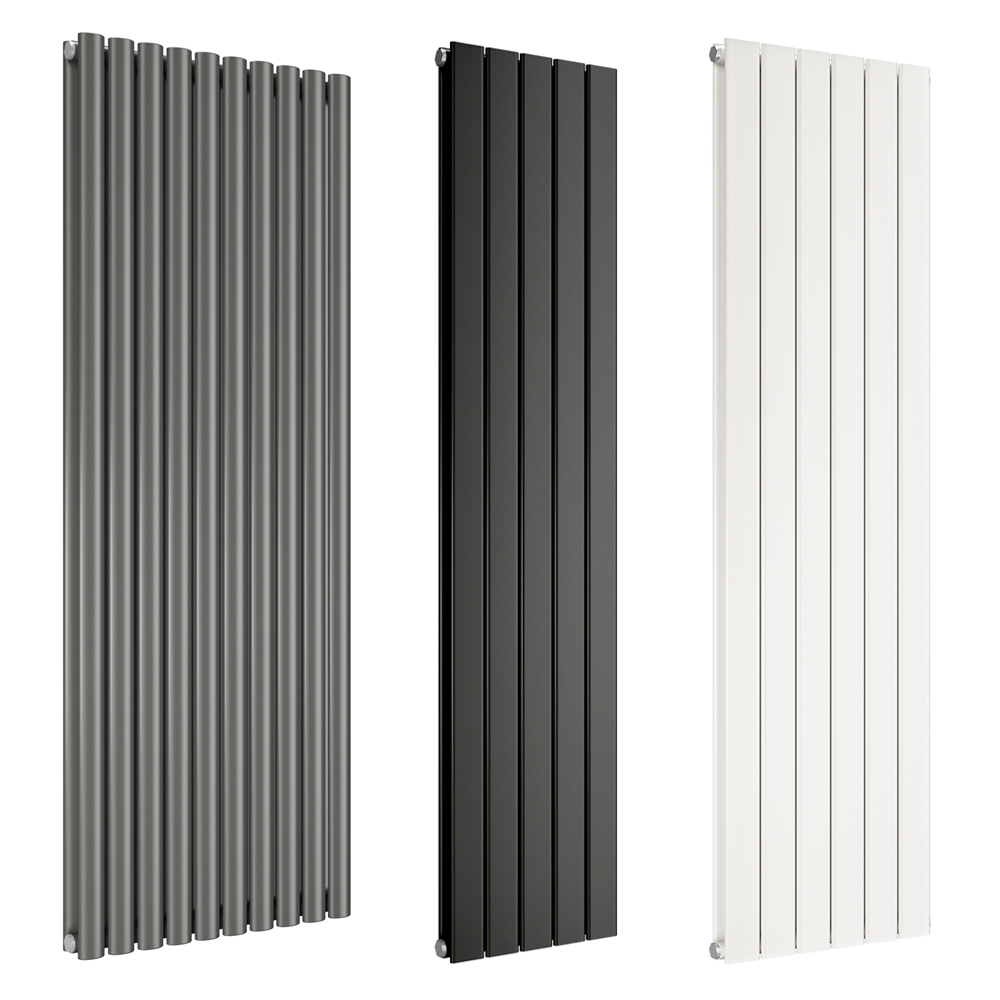
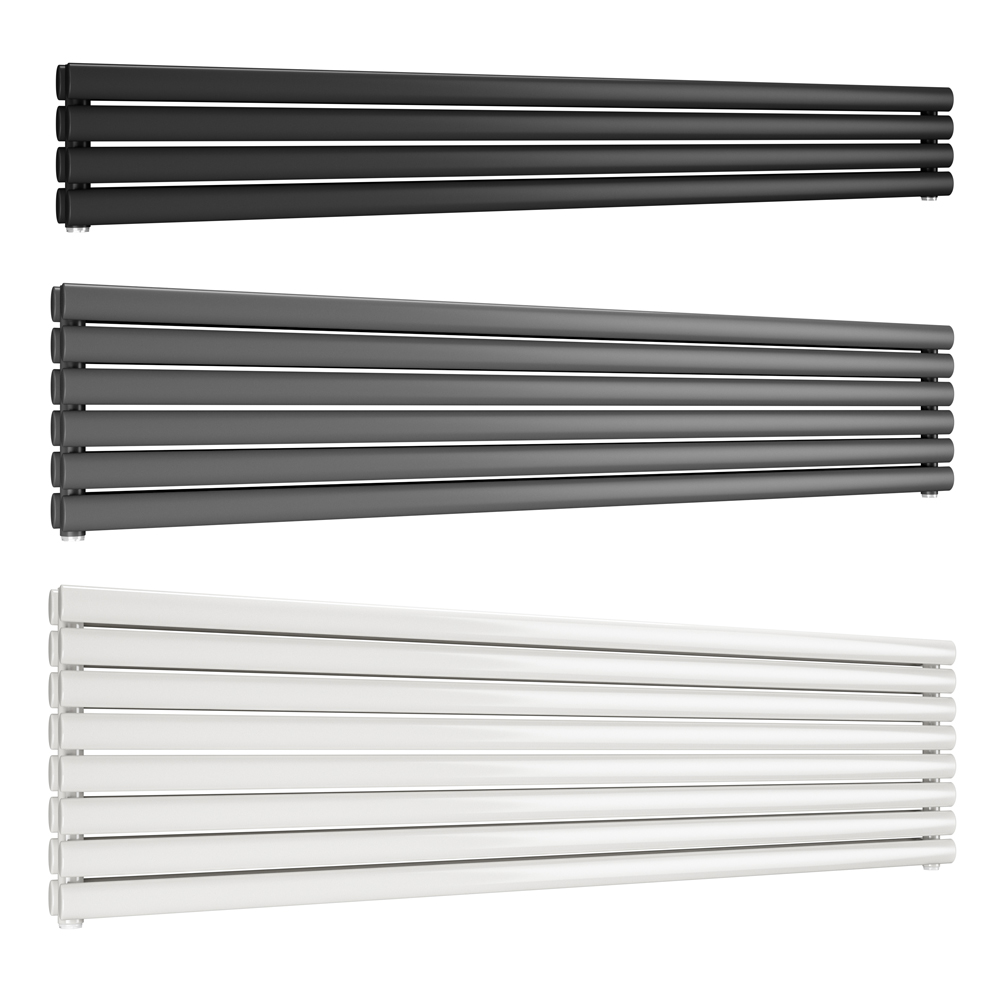
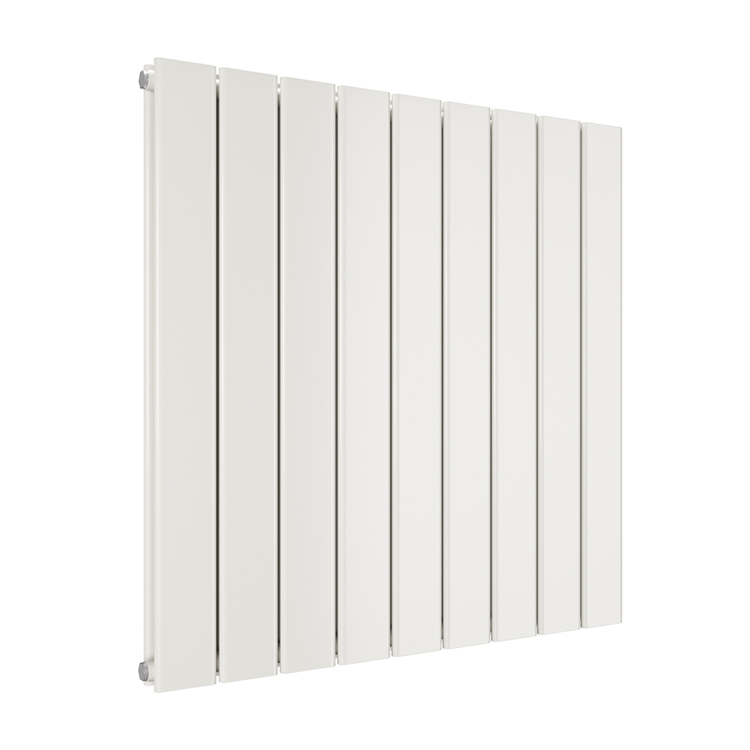
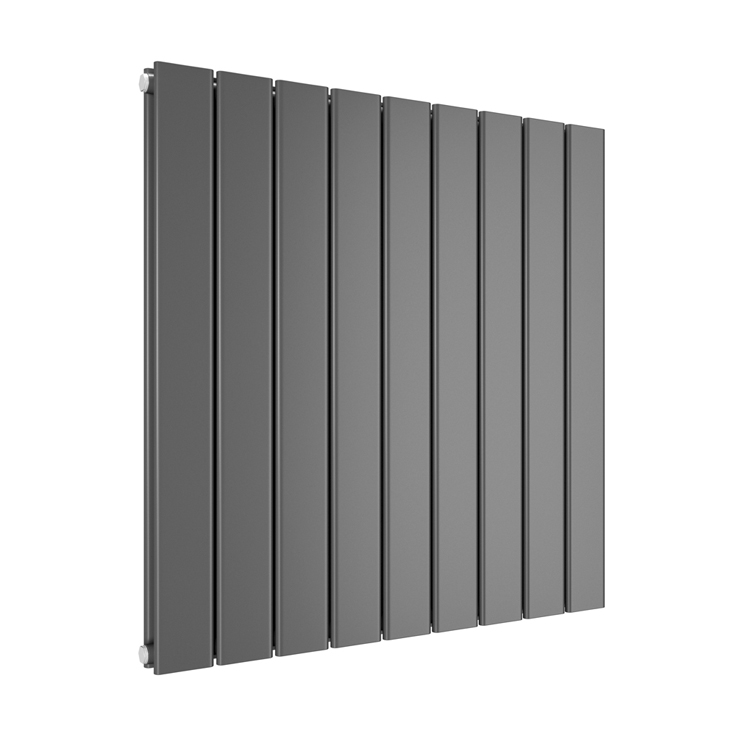
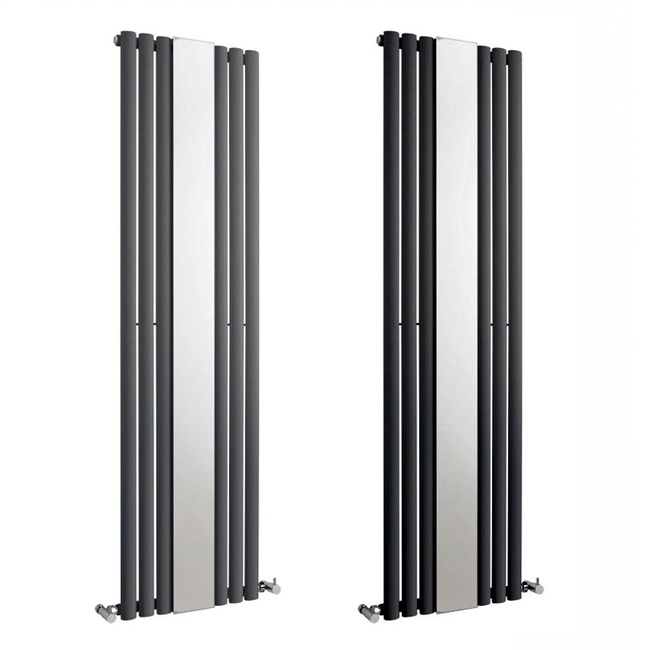
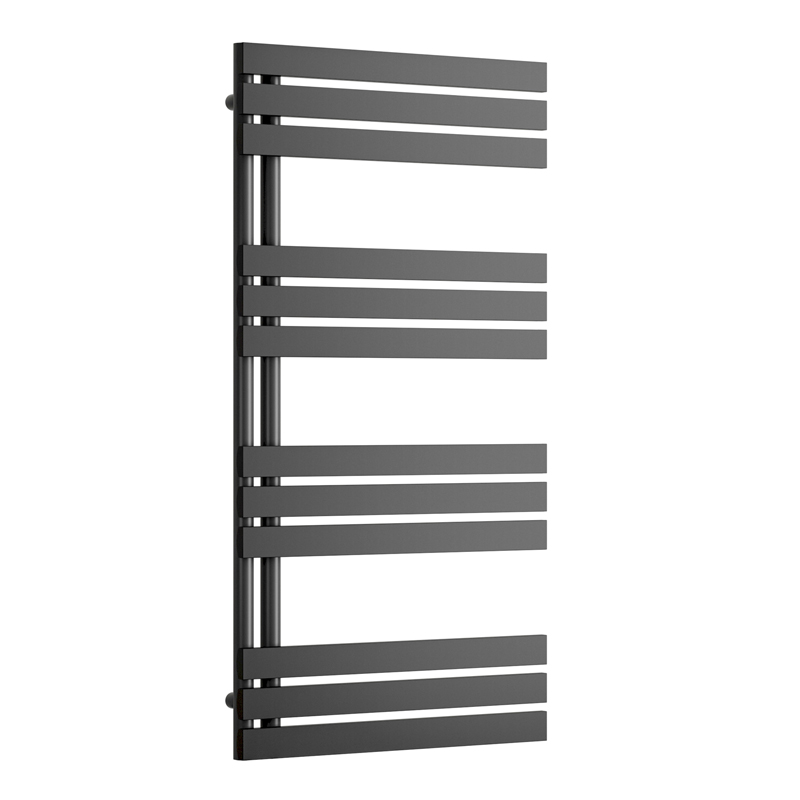
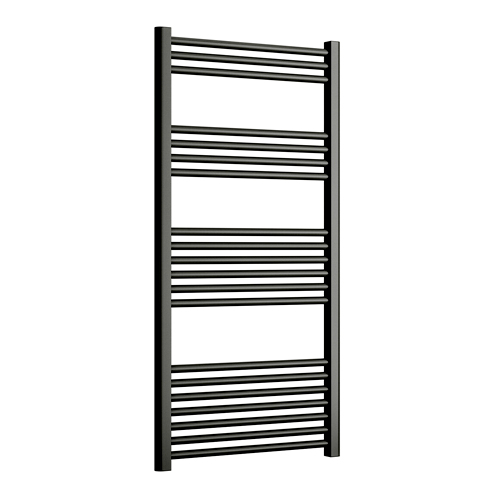
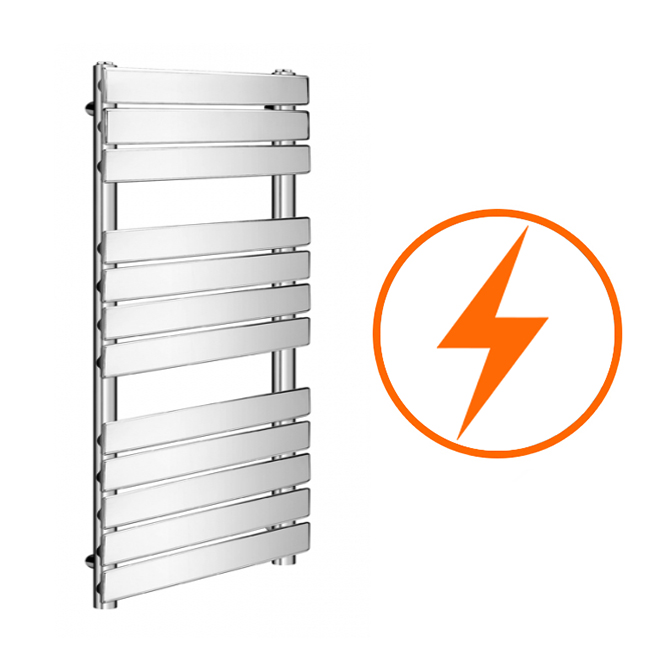
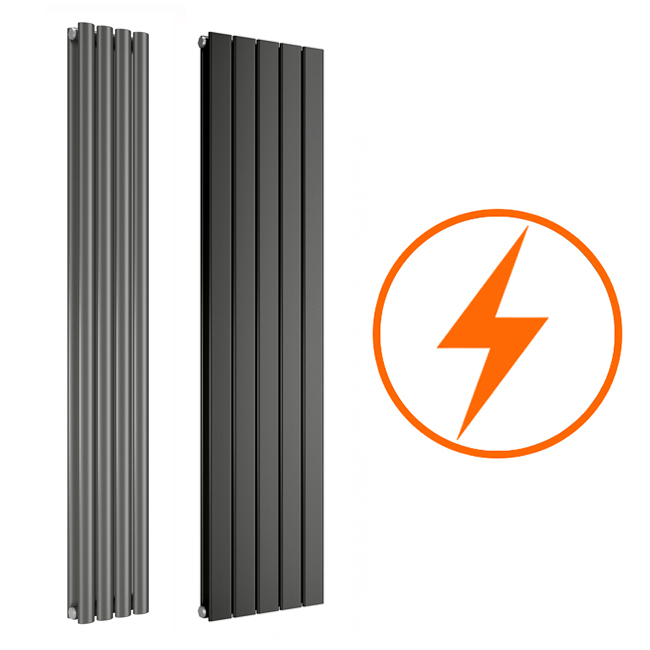
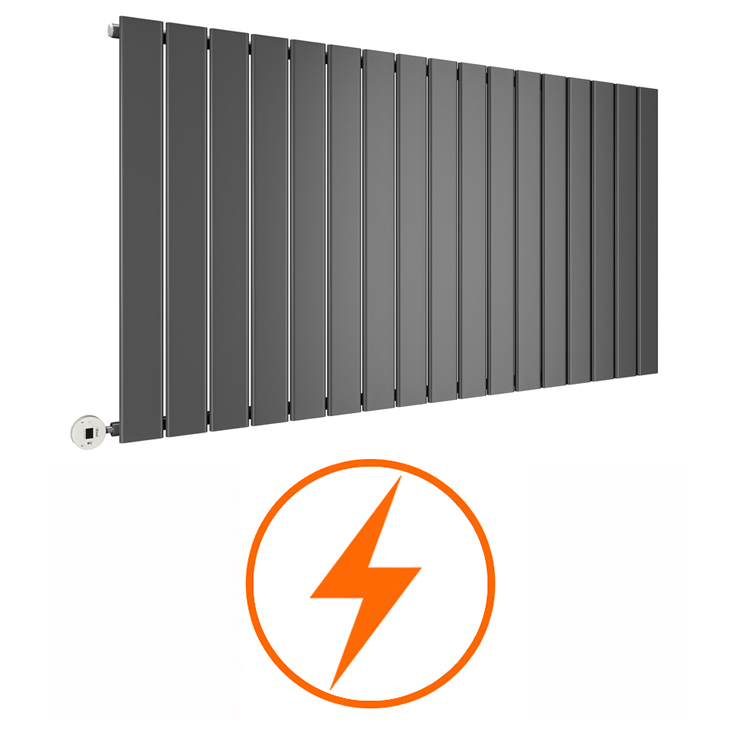
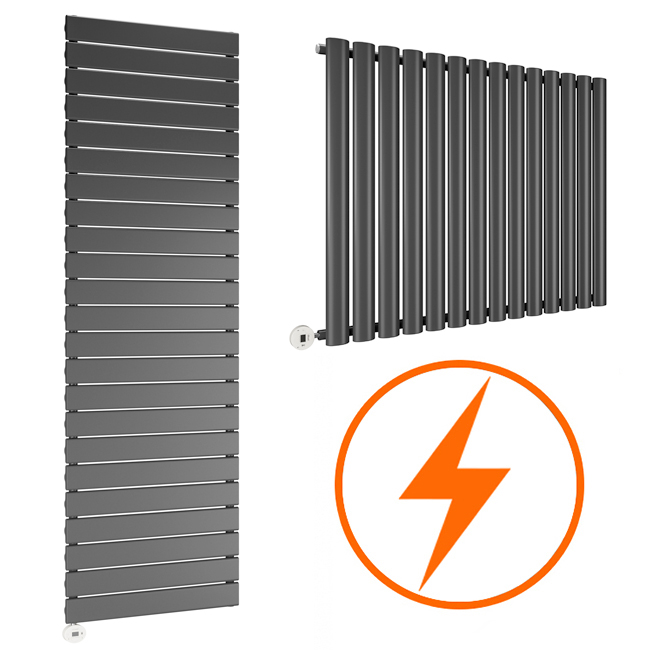
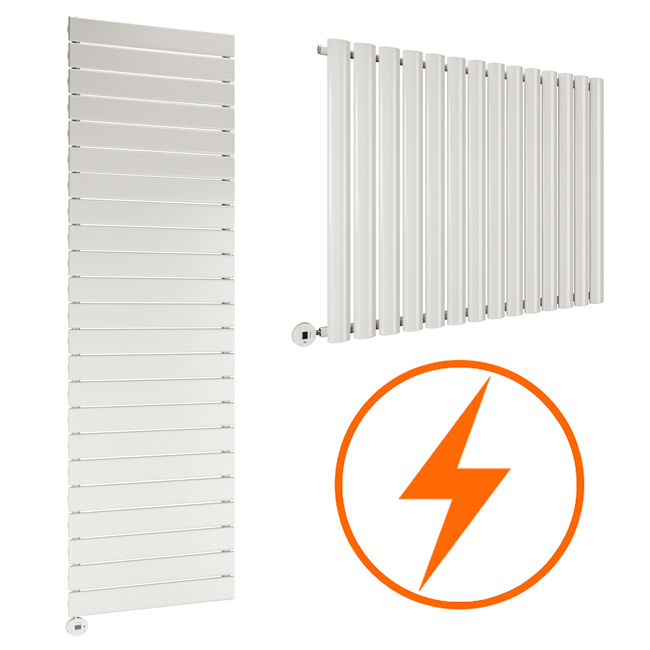
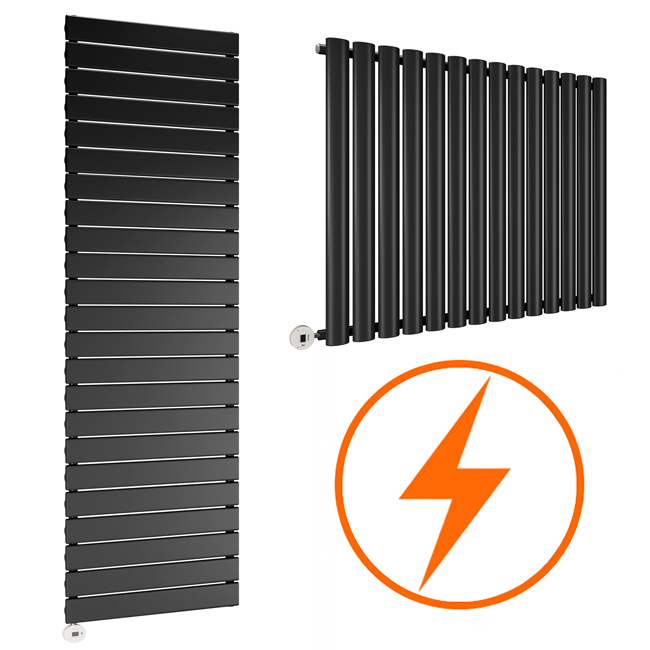
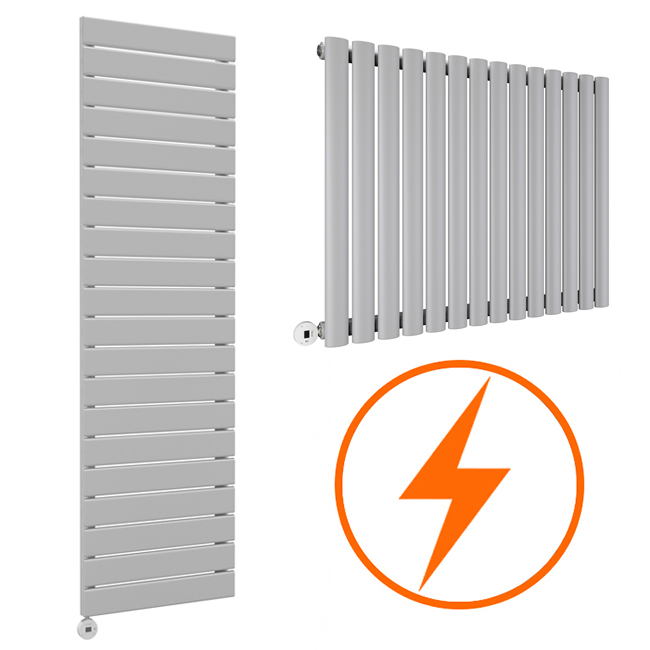
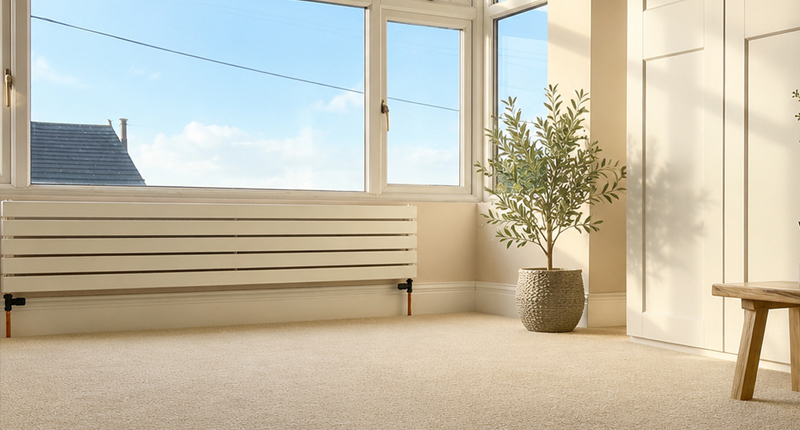
Replacing radiators is not just about fixing a fault, it can also be a chance to improve the look and feel of your home. Many homeowners now use radiator replacement as part of a wider interior update, choosing styles that suit the character of the property as well as the heating needs of the room. Designer radiators are a popular choice for modern homes, open-plan spaces and rooms where the radiator will be clearly visible. They can be slim, vertical, flat-panel or more sculptural, making them useful where wall space is limited or where a standard radiator would feel too plain.
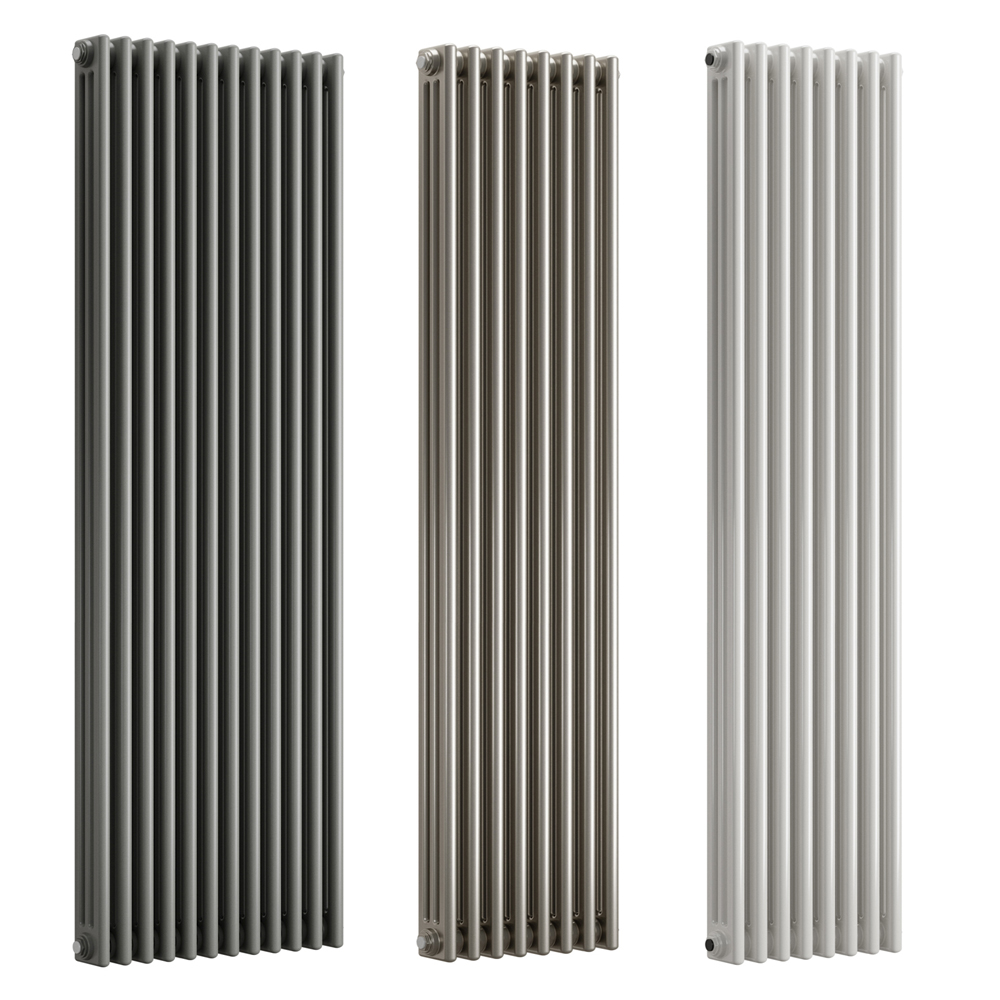
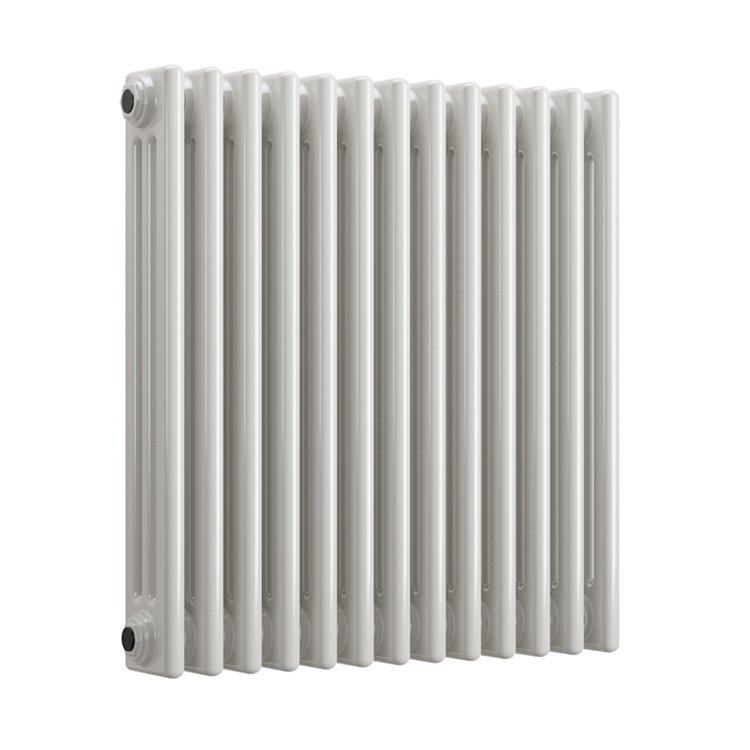
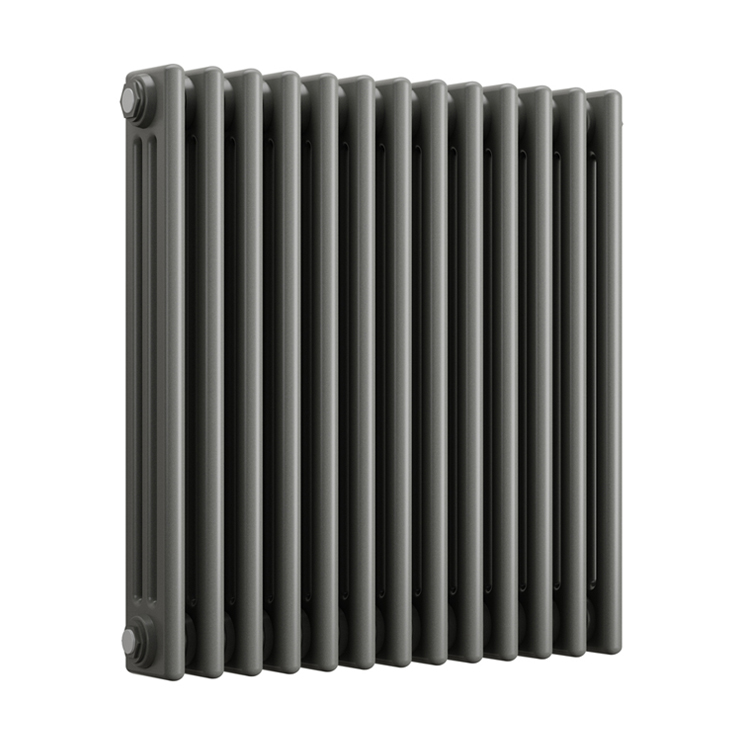
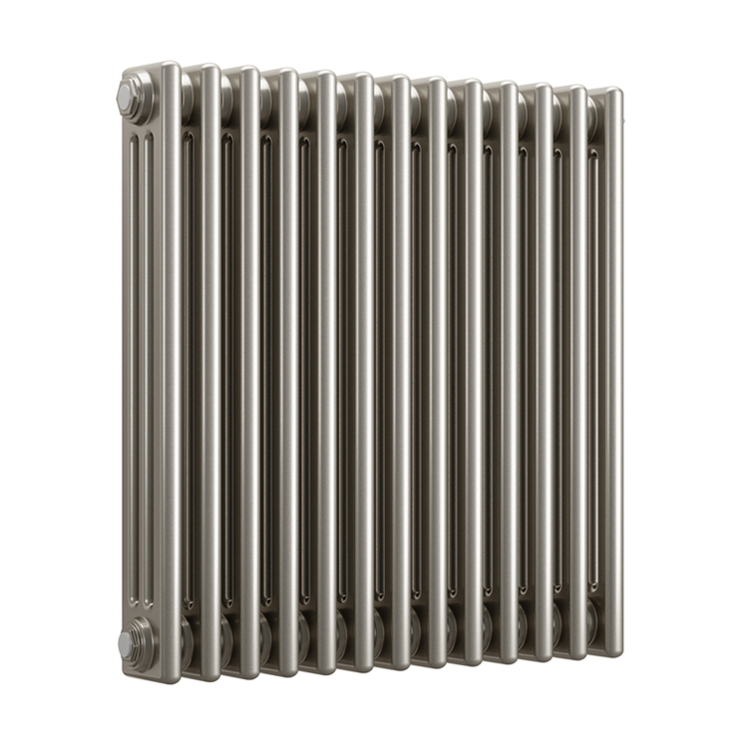
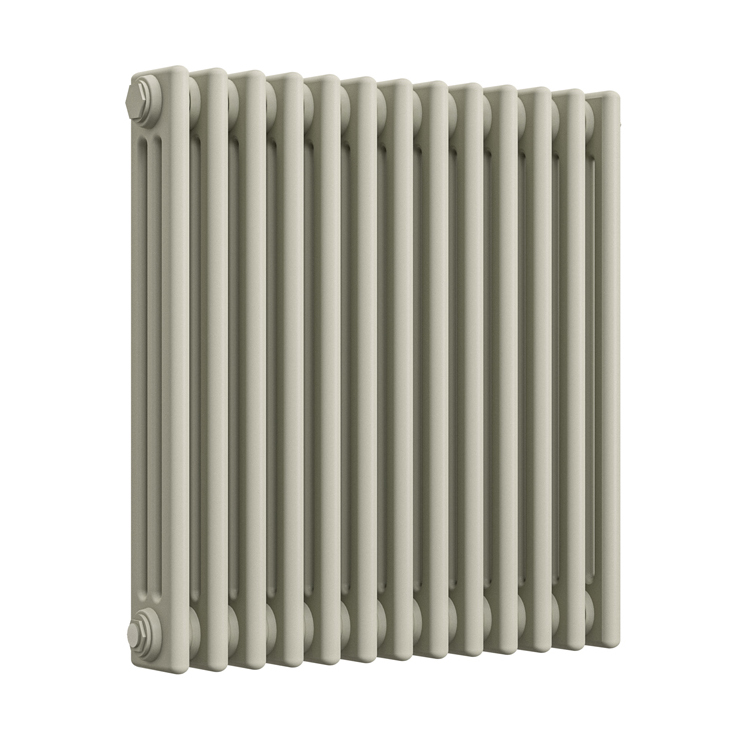
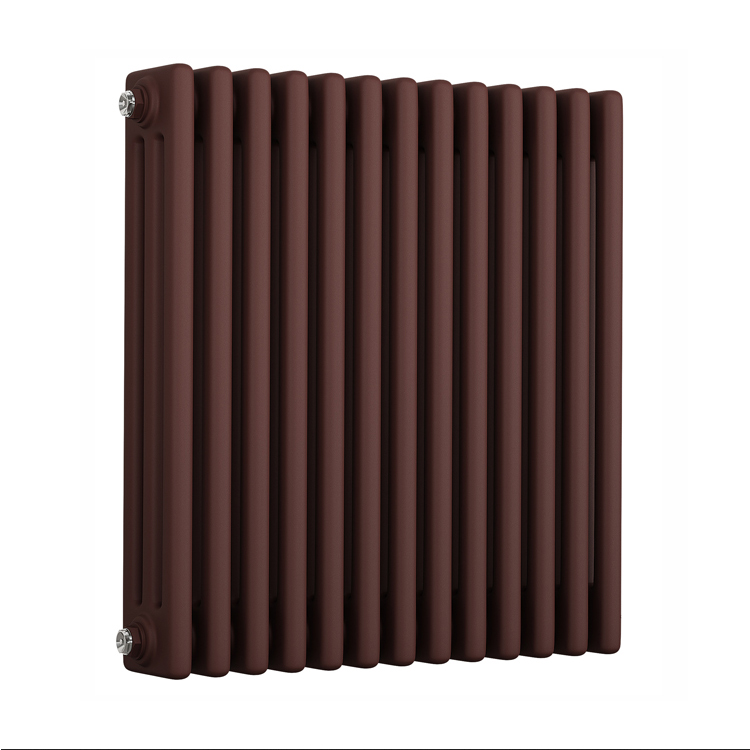
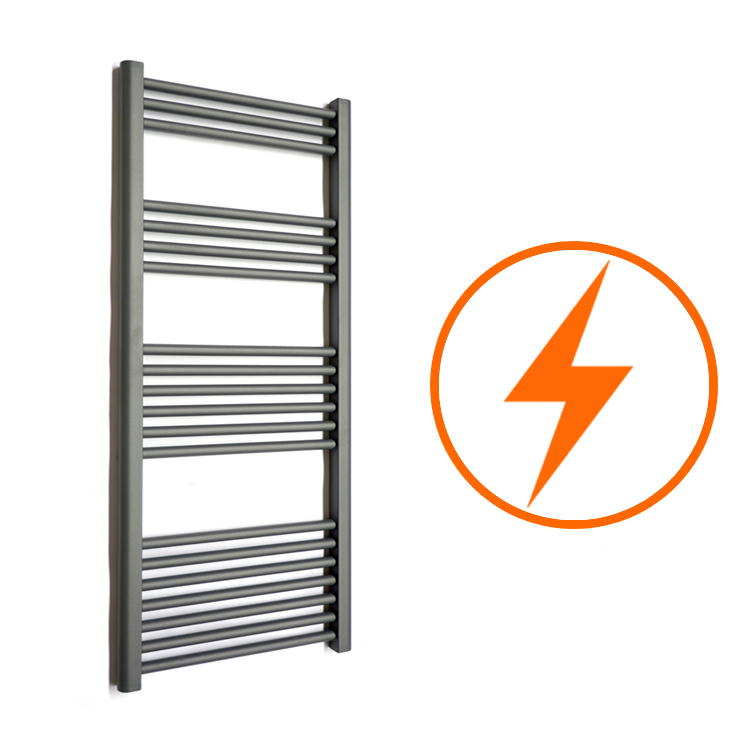
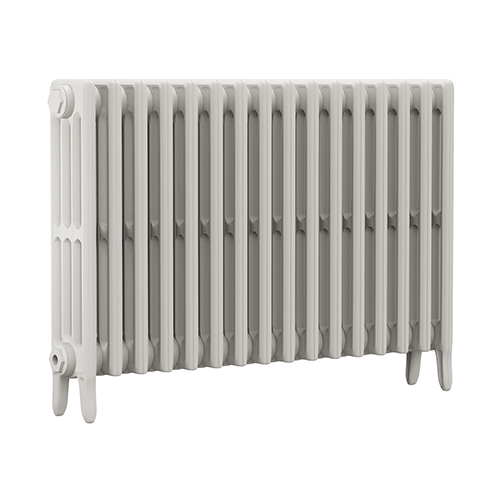
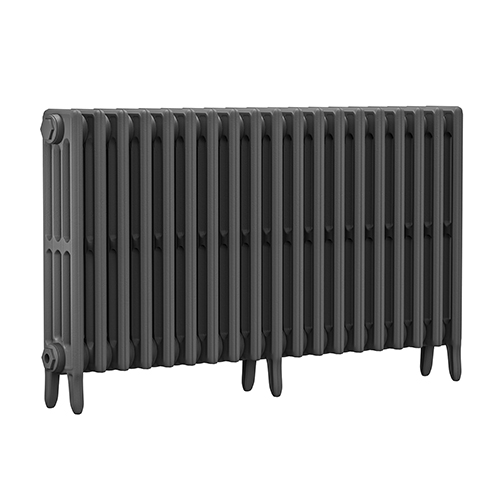
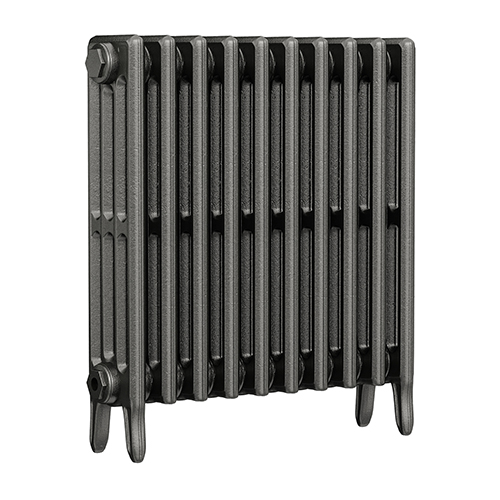
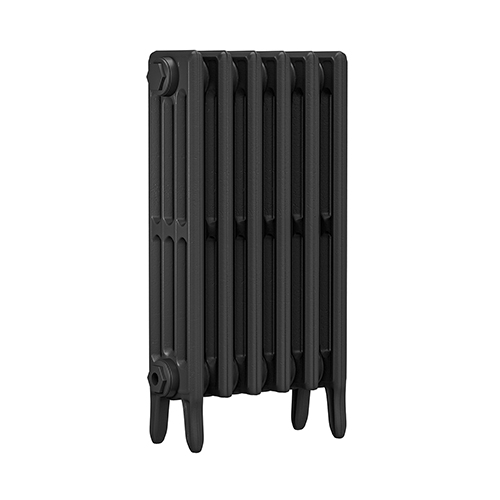
Traditional radiators are often chosen for period homes, character properties or rooms where a more classic finish feels right. Column-style designs can bring a timeless look while still offering effective heat output, which makes them a strong choice if you want practicality without losing the style of the room.
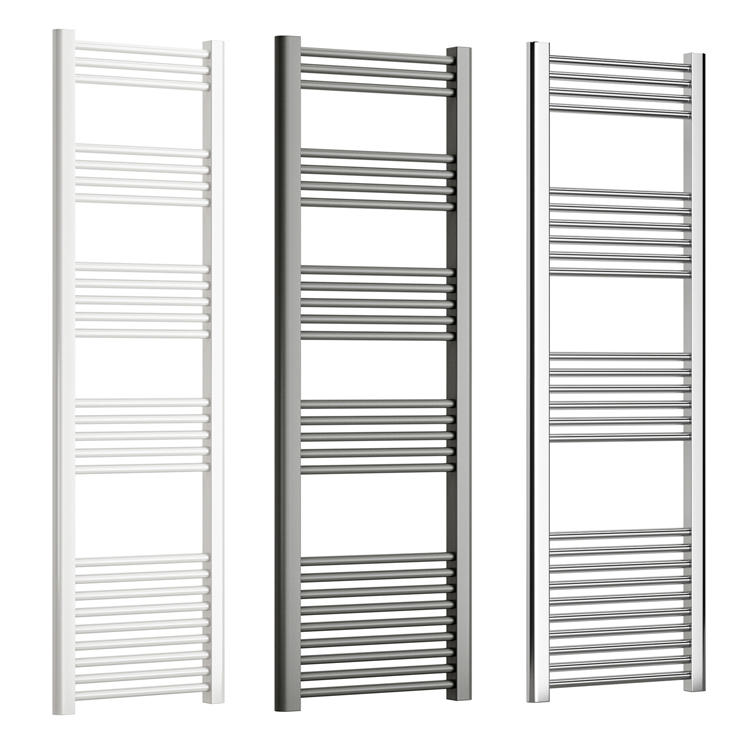
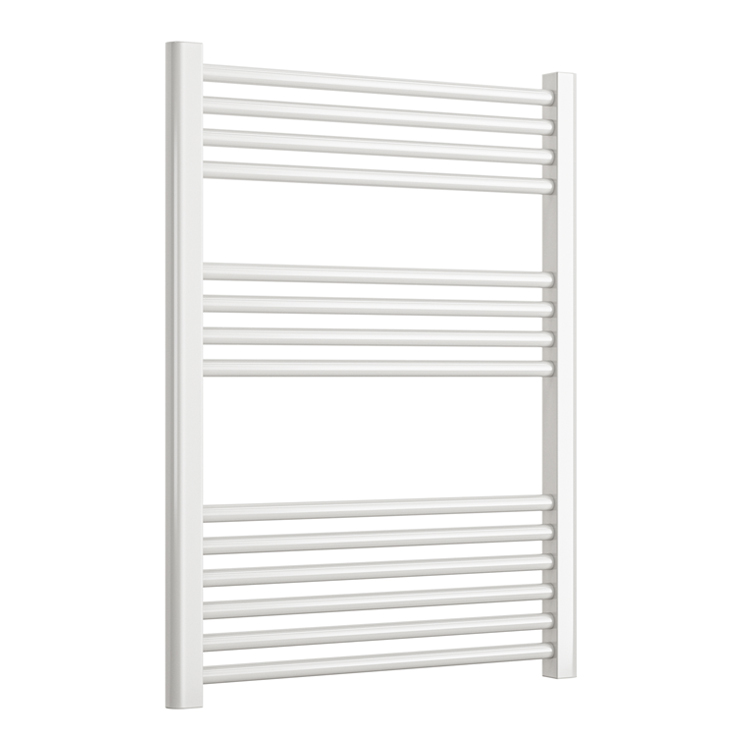
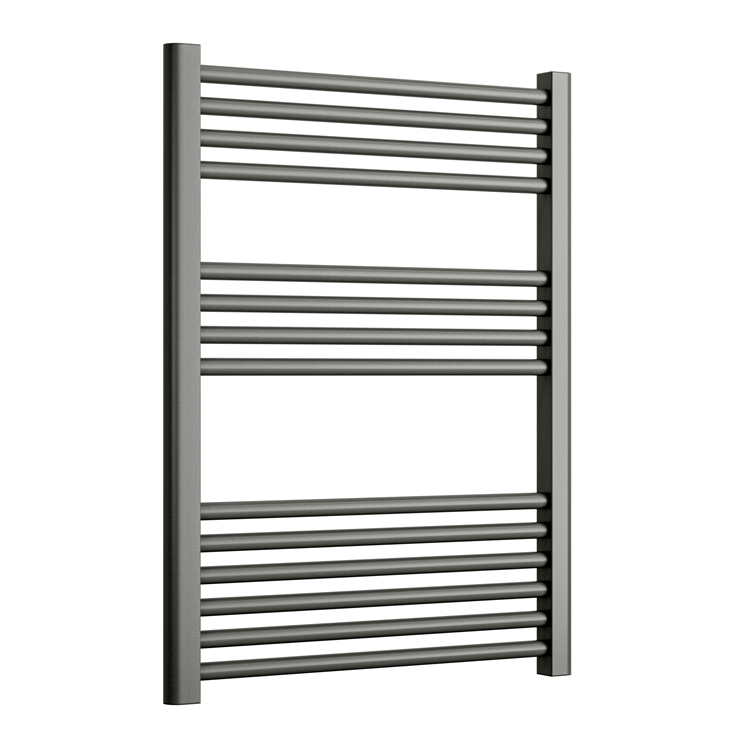
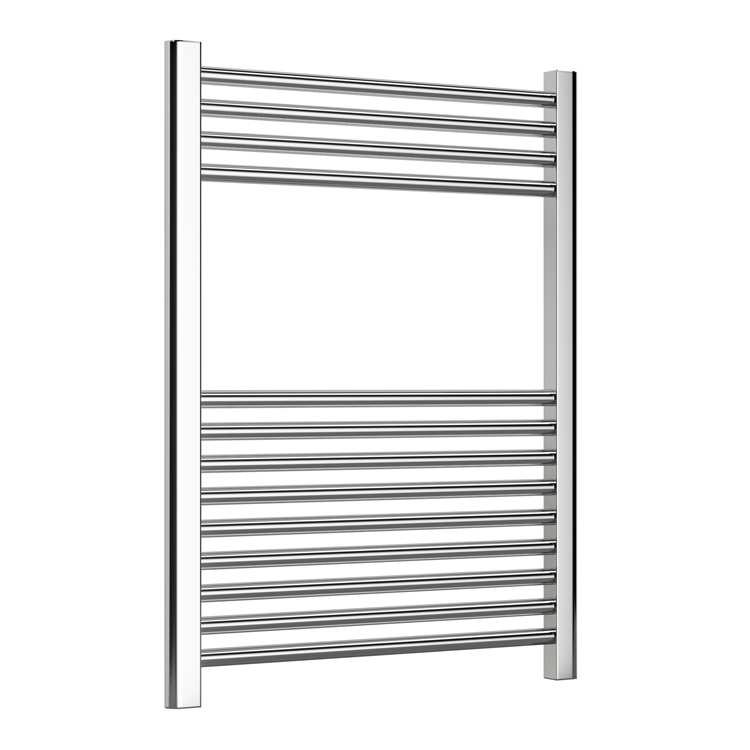
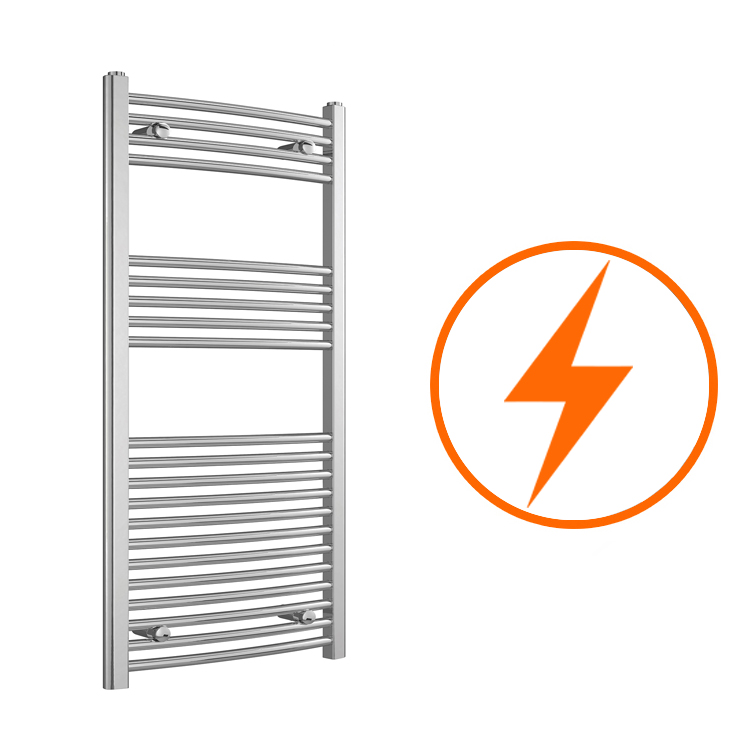
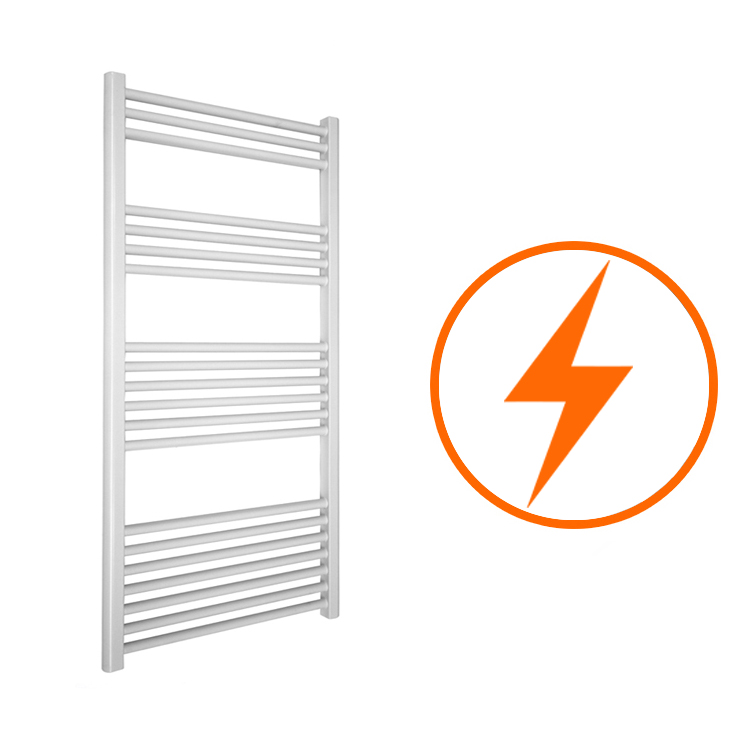
Bathroom radiators are another important consideration. In bathrooms, ensuites and cloakrooms, the radiator often needs to provide warmth while also helping towels dry comfortably. Heated towel rails and compact bathroom radiators can be especially useful where space is tight or where the room needs to feel warm quickly after a shower or bath.
Pick the right size

Style matters, but sizing is just as important, as a radiator that is too small may struggle to heat the room properly, while one that is too large may be unnecessary for the space. Heat output depends on several factors, including room size, insulation, window area, ceiling height and how the room is used. This is where professional advice can be valuable; if you are replacing like for like, the process may be straightforward, but changes to radiator size, position or pipework need to be considered carefully. A plumber or heating engineer can advise on installation, check compatibility with your central heating system and make sure the new radiator is fitted safely.
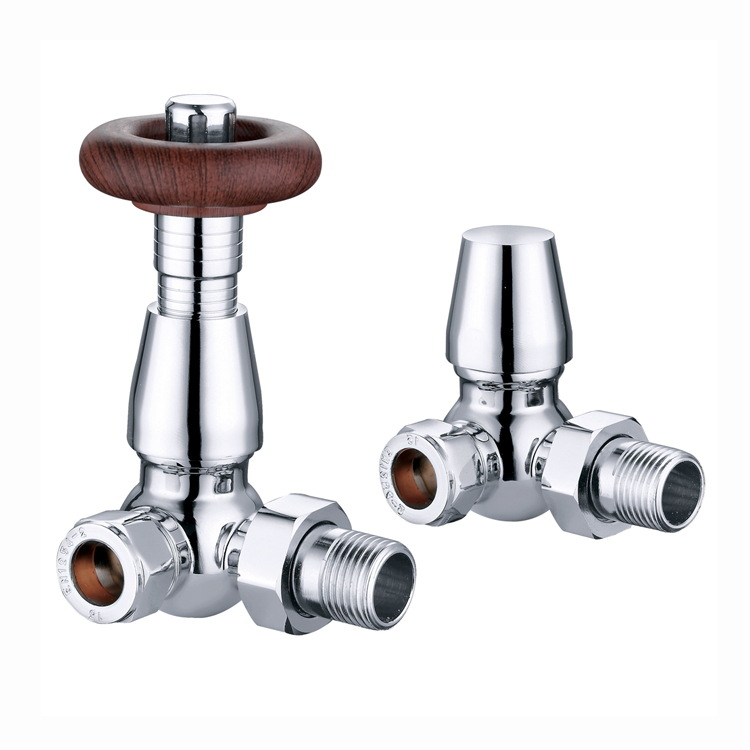
Professional installation is especially important if pipework needs moving, valves need changing or several radiators are being replaced at the same time. It can also help avoid problems with balancing the system, which affects how evenly heat is distributed around the home.
So, is summer really the best time?
Summer is often one of the best times to replace your radiators because it gives you time, flexibility and less disruption. It is a sensible season for planning home improvements, comparing radiator styles and arranging installation before colder weather puts your heating system under pressure. However, radiator replacement should ultimately happen when your home needs it. If a radiator is leaking, corroded, inefficient or failing to heat a room properly, it is better to act than wait for a more convenient month. A well-chosen replacement can improve comfort, support better energy efficiency and make a room feel more finished.
For homeowners planning ahead, summer is a smart time to explore affordable replacement radiators, from designer radiators and traditional radiators to practical bathroom radiators for everyday use. Radiator Outlet offers a wide choice of styles to suit different homes, budgets and room types, making it easier to find an option that works before the heating season returns.