Need Radiators FAST?

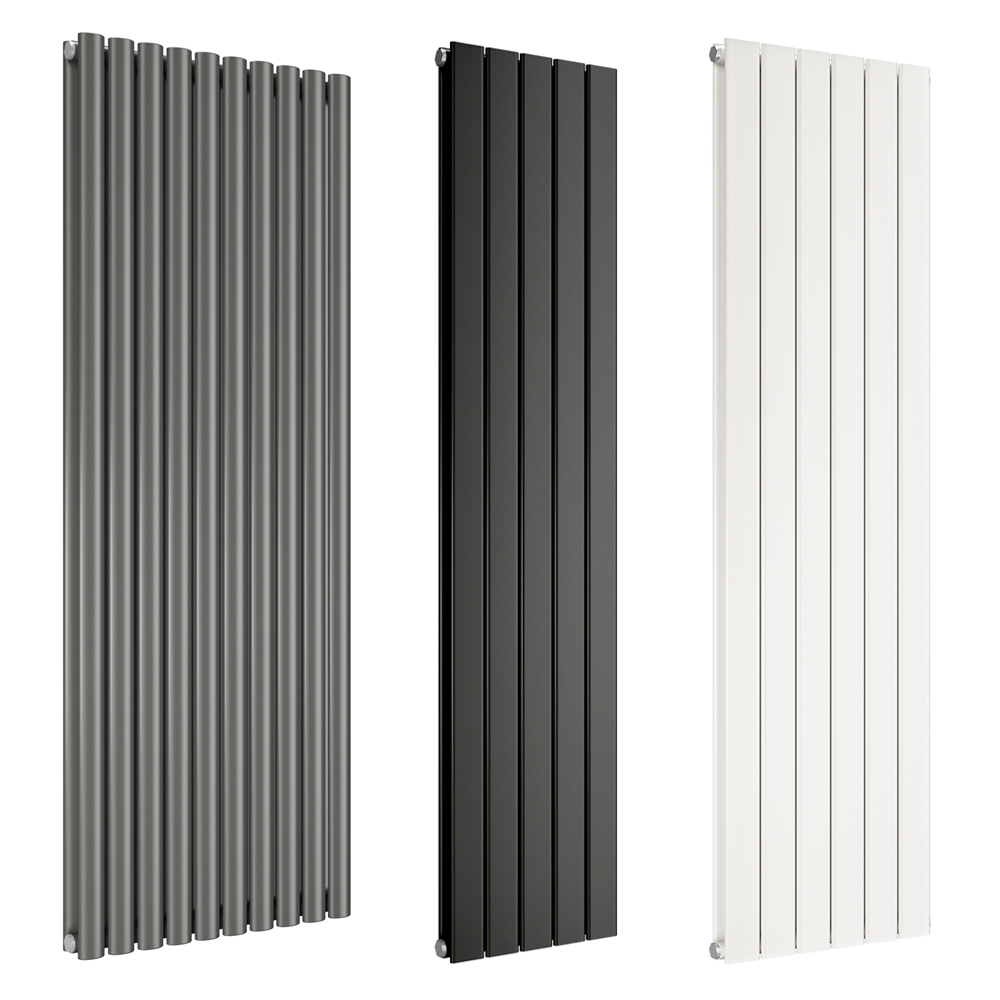
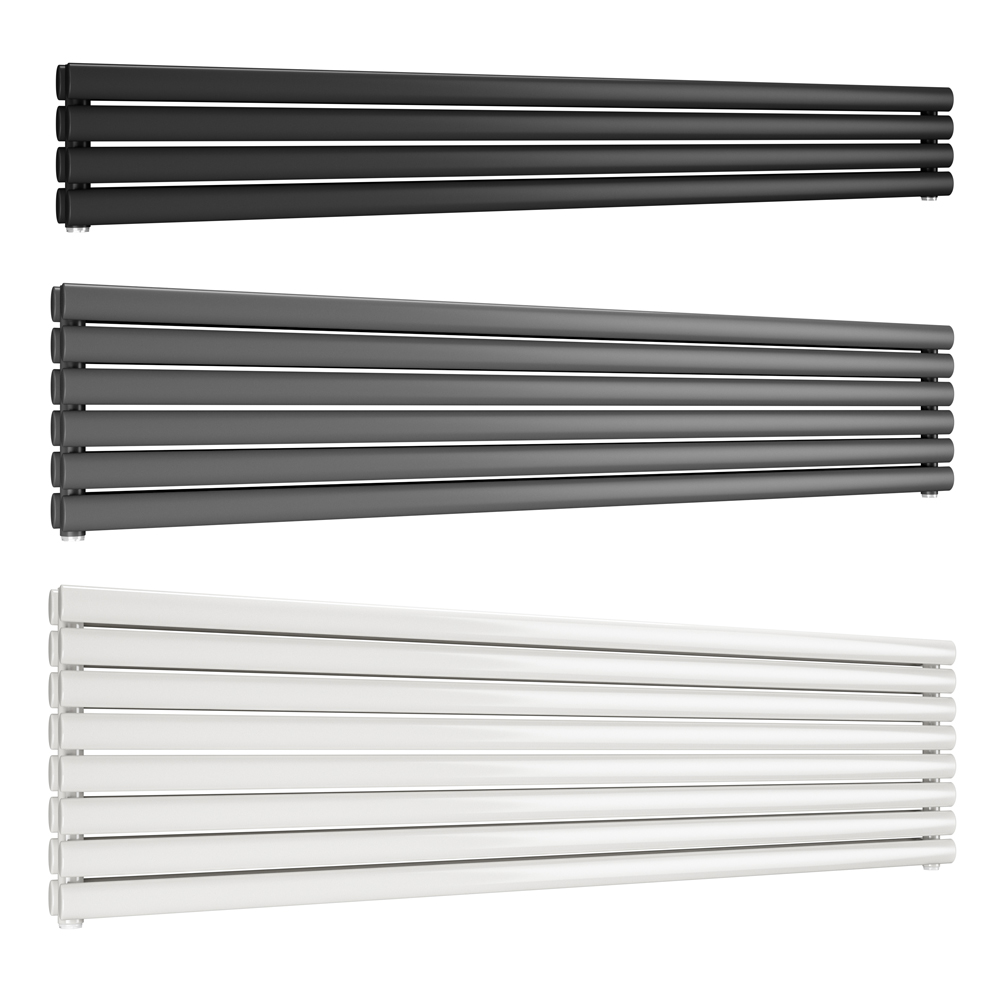
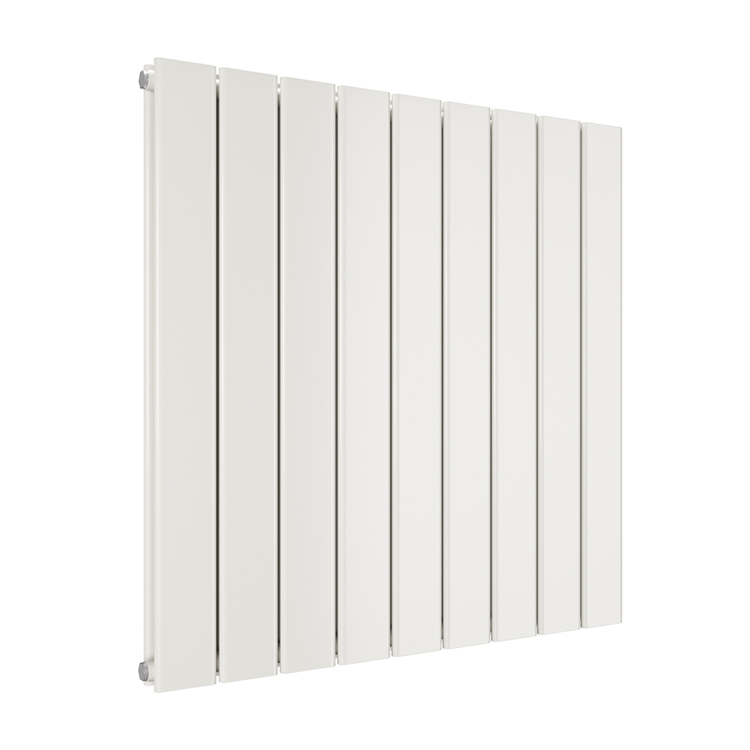
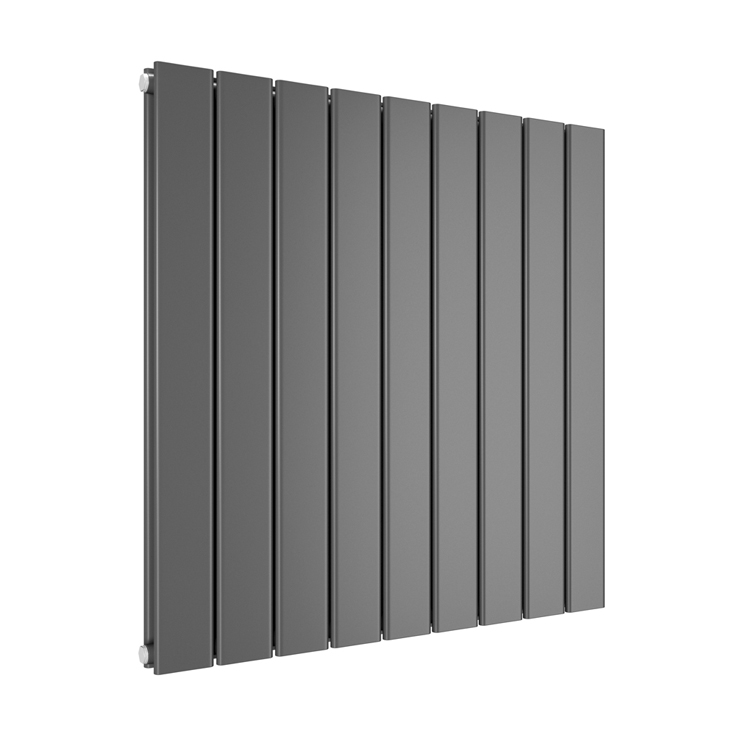
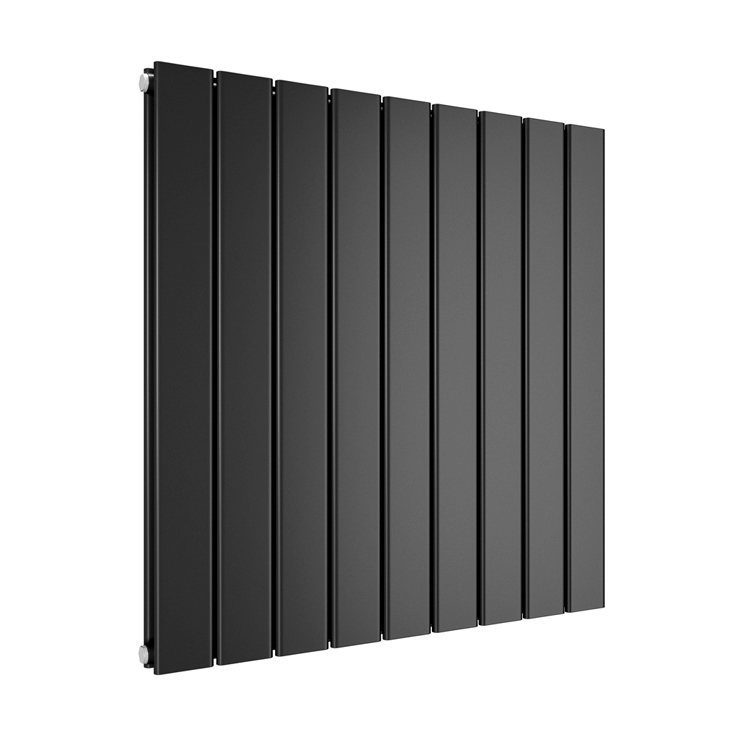
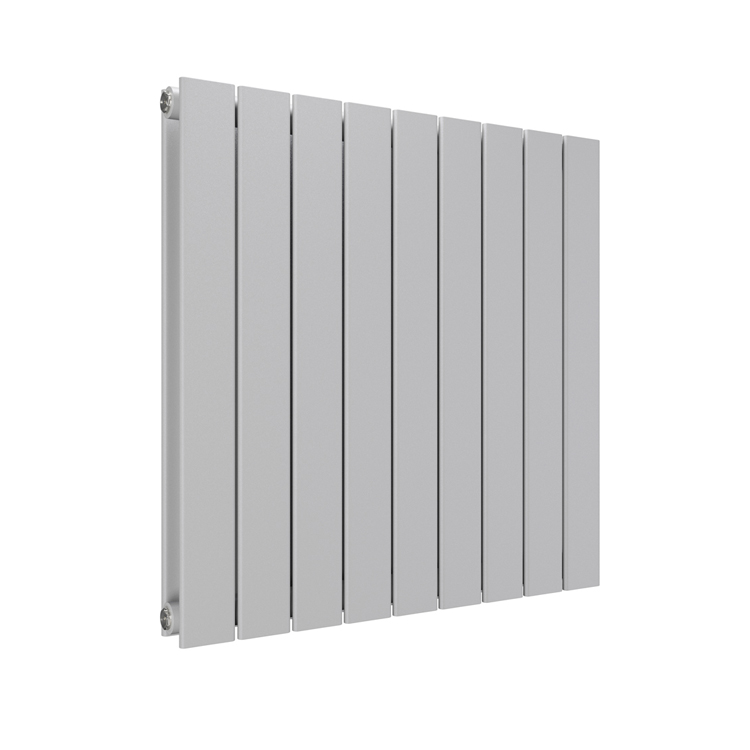
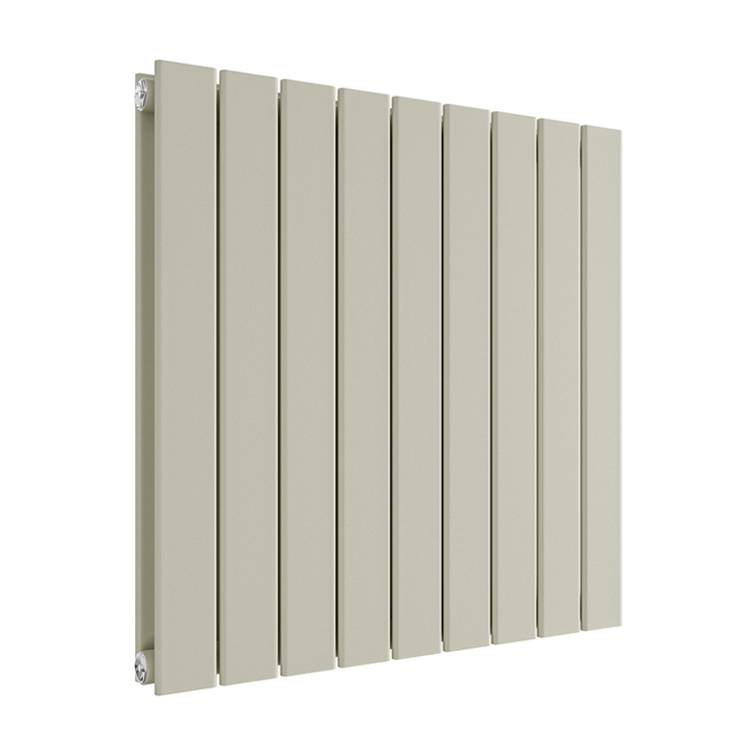
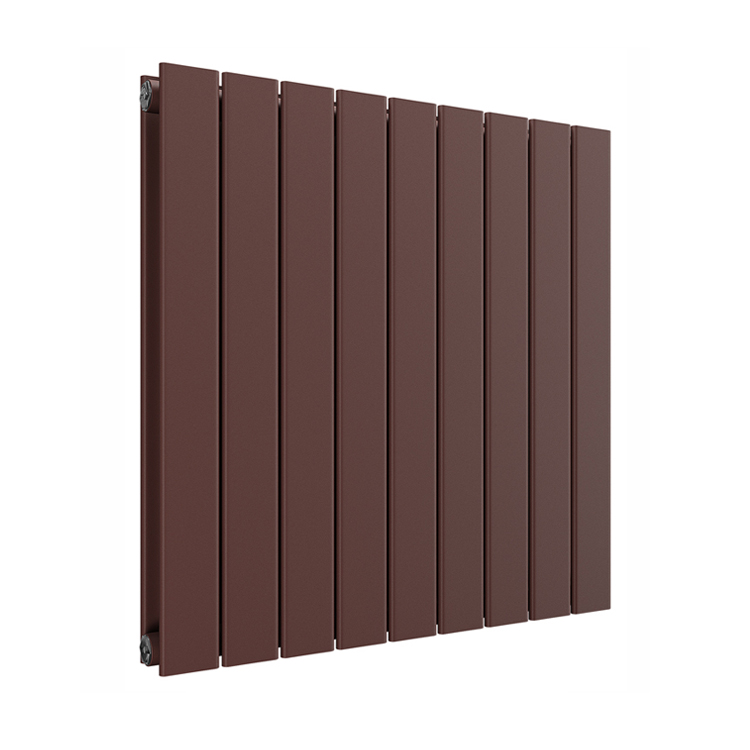
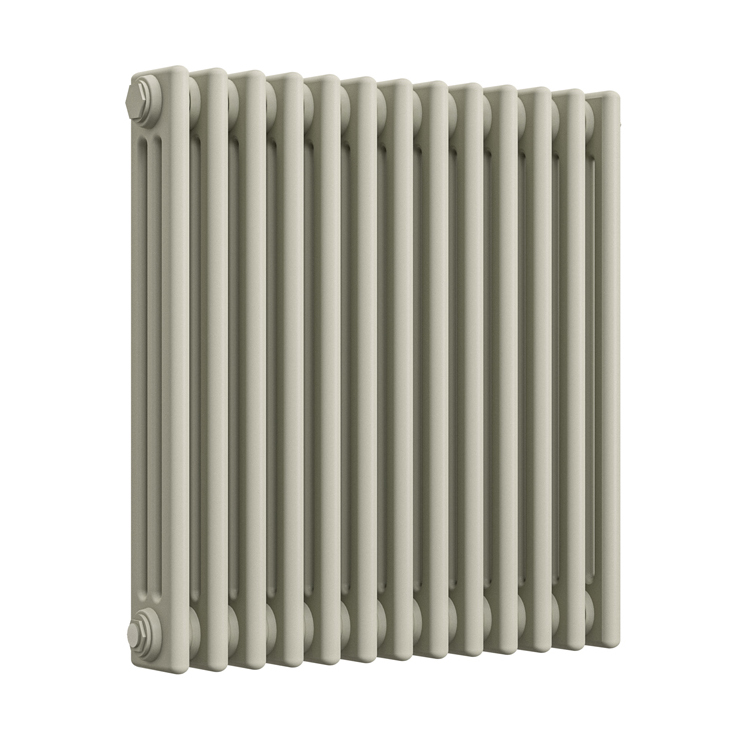
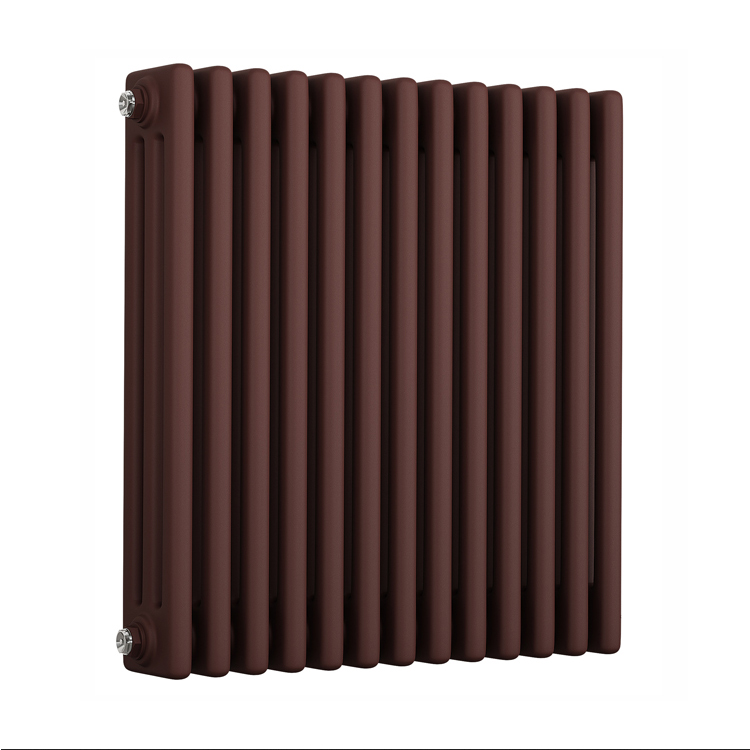
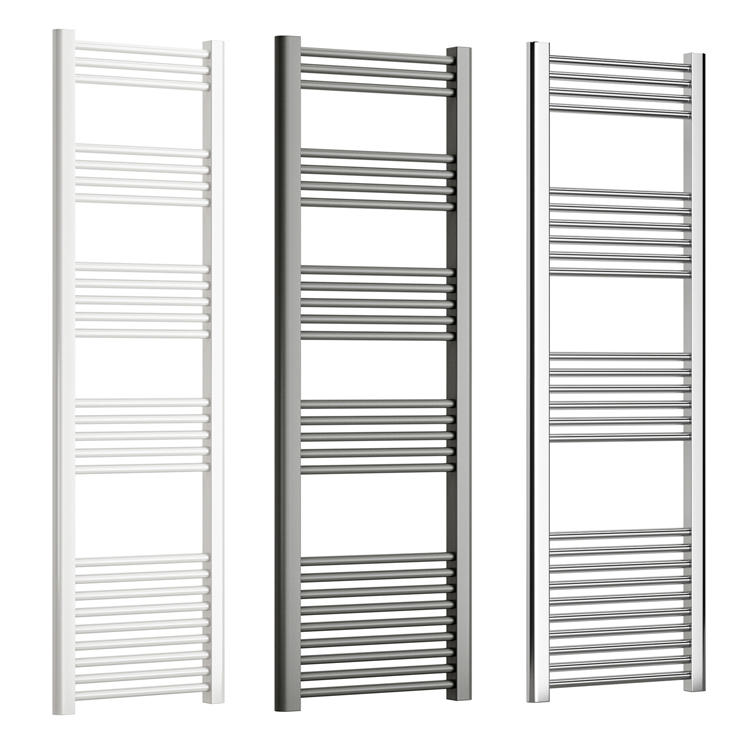
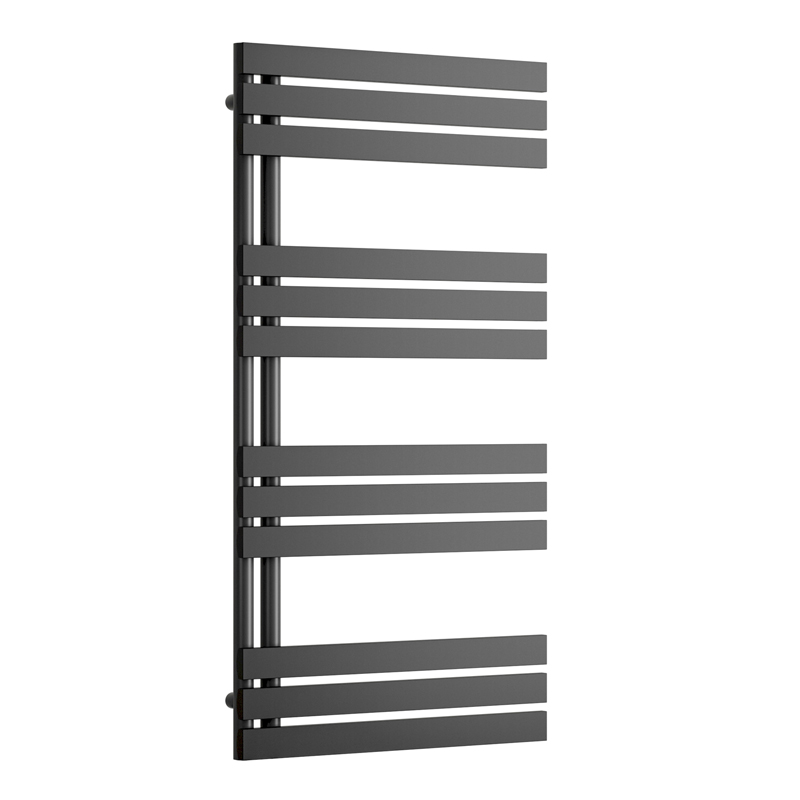
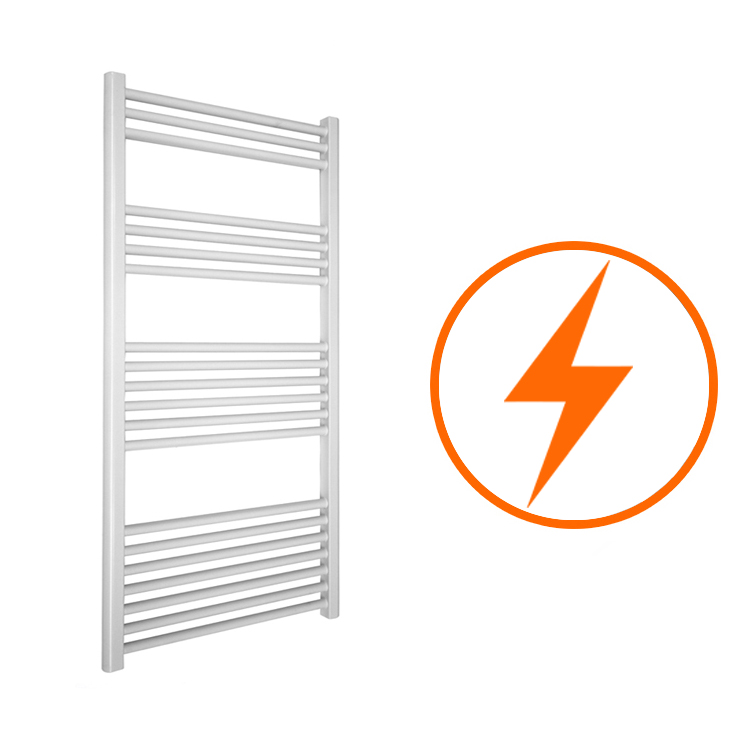
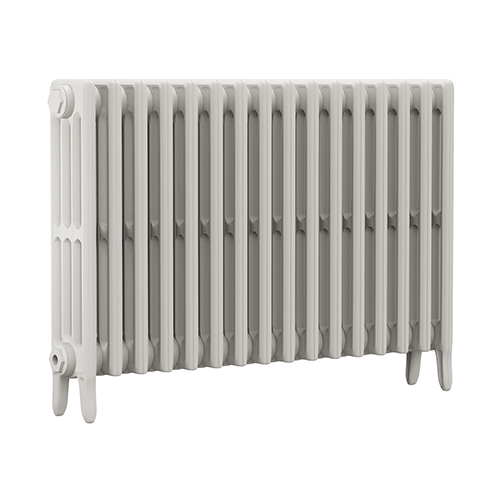
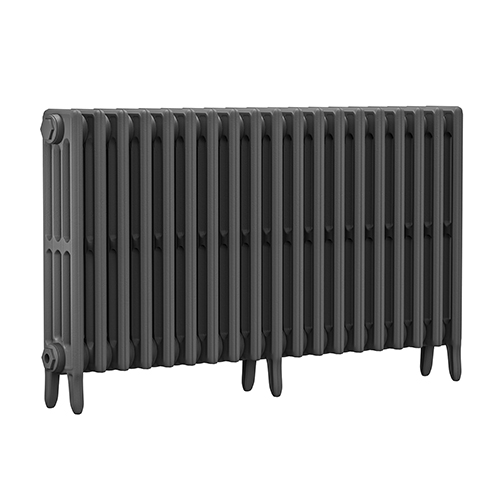
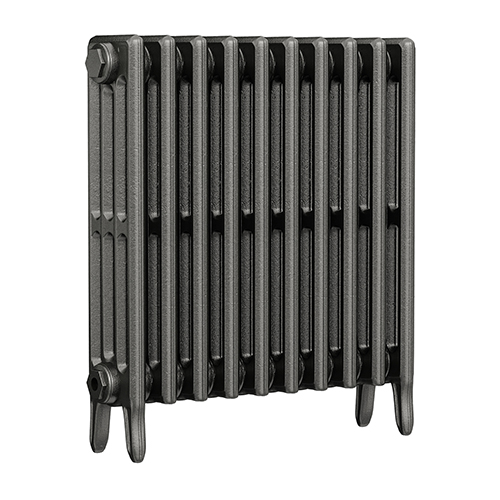
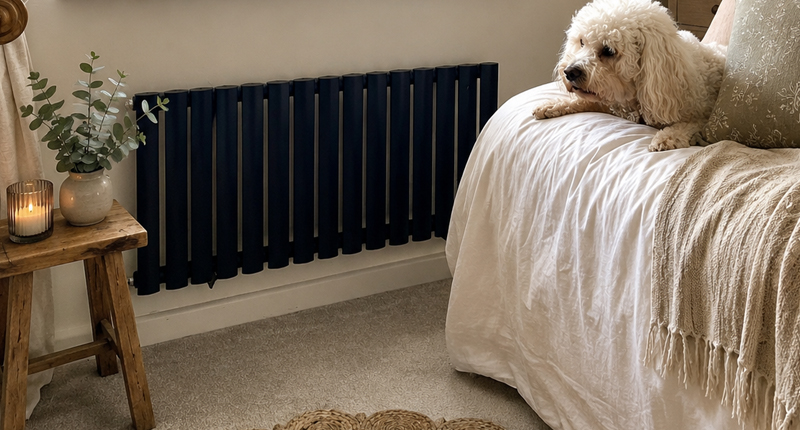

Small rooms can be some of the easiest spaces in the home to heat well. A box bedroom, ensuite, cloakroom, nursery, home office or small lounge usually needs less heat than a large open-plan living area, which means it can often be made warm and comfortable without using unnecessary energy. The challenge is choosing the right form of small room heating and controlling it properly.
Because compact rooms warm up quickly, they can also become stuffy, overheated or inefficient if the heating is not suited to the space. An oversized radiator, poor insulation, draughty gaps or a heater left running for too long can all lead to wasted energy and higher running costs. The good news is that eco-friendly heating for small rooms does not have to be complicated – it is usually about getting the basics right: reducing heat loss, choosing the correct output, using controls sensibly and only heating the rooms you actually use.
What makes heating eco-friendly in a small room?

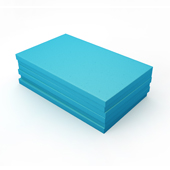
Eco-friendly heating is not just about buying a particular product; it is about how efficiently the product works in your home and how well it matches the room. In a small space, the most energy-efficient heating option is usually one that is correctly sized, easy to control and able to maintain comfort without using more energy than necessary. Correct radiator sizing is particularly important. A room needs enough heat output to reach a comfortable temperature, but not so much that the heating is constantly cycling on and off or making the space too warm. Insulation also makes a big difference, as a well-insulated room retains warmth for longer, which means the heating system does not have to work as hard.
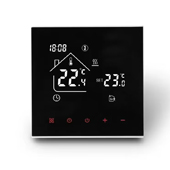
Control is another key part of low-carbon heating. Programmable thermostats, thermostatic radiator valves and smart heating controls can help you heat a room only when it is needed. This is especially useful in smaller homes, flats and converted spaces where different rooms may be used at different times of day. Rather than heating the whole house to keep one room comfortable, room-by-room heating allows you to be more precise.
Start with heat loss before choosing a heater
Before choosing a new radiator or heating system, it is worth looking at where heat might be escaping. Even the most efficient radiators will struggle if a room is losing warmth through draughty windows, poorly sealed doors or uninsulated walls. Small rooms often have a high proportion of external wall, window or roof space compared with their floor area. This is common in box bedrooms, loft rooms, garden offices and extensions. If heat is disappearing quickly, the room may feel cold even when the heating is on. Draught-proofing around windows and doors, sealing small gaps, using lined curtains or blinds and keeping internal doors closed can all help reduce wasted energy.
Soft furnishings can also make a difference to how a room feels. Curtains, rugs and properly fitted blinds can help a compact space feel warmer and more comfortable, particularly in older properties. None of these measures replaces proper insulation, but they can reduce the amount of heat needed to maintain a pleasant temperature.
Not too big, not too small: finding the radiator that fits
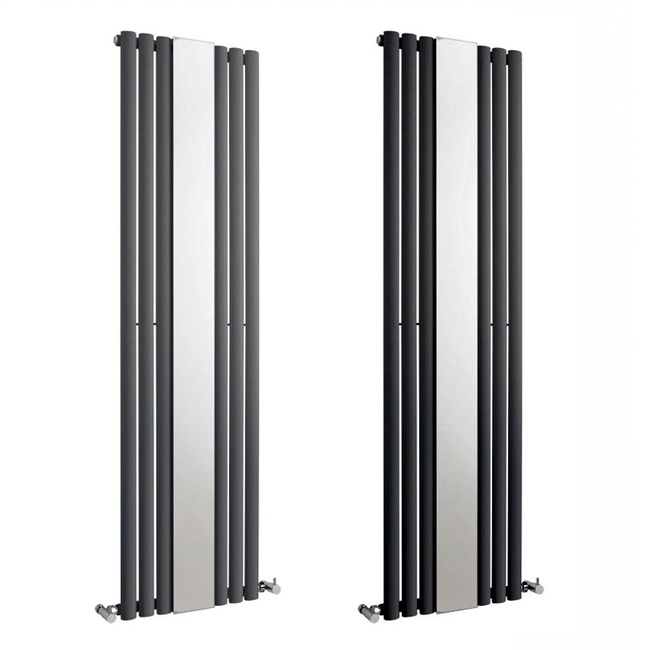
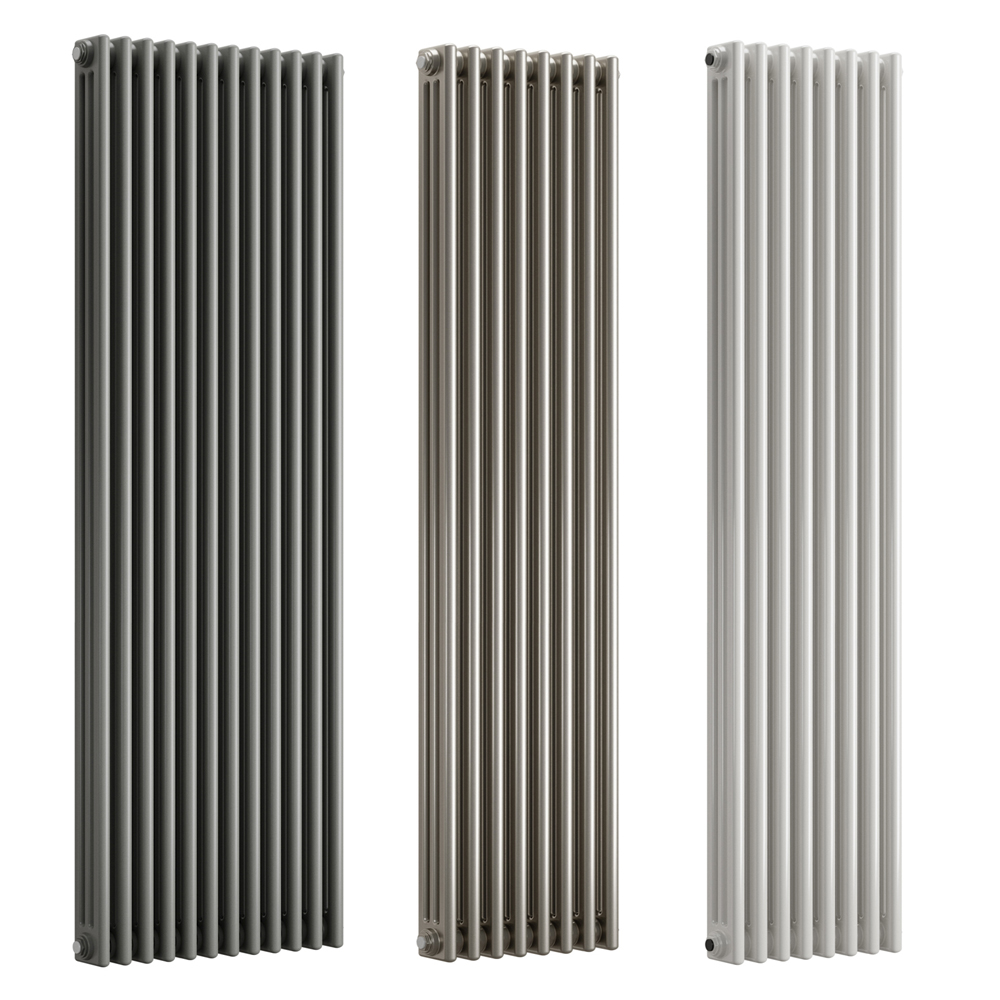
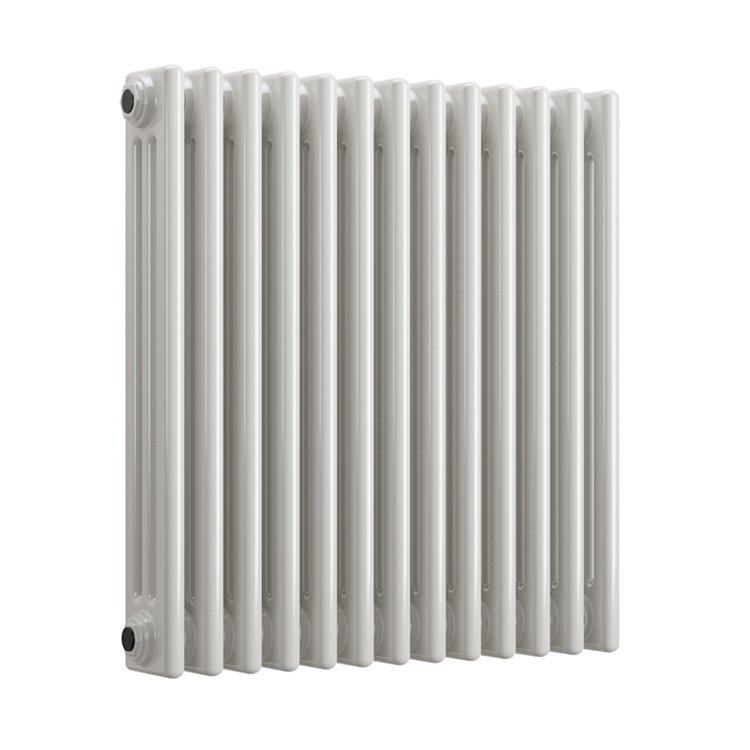
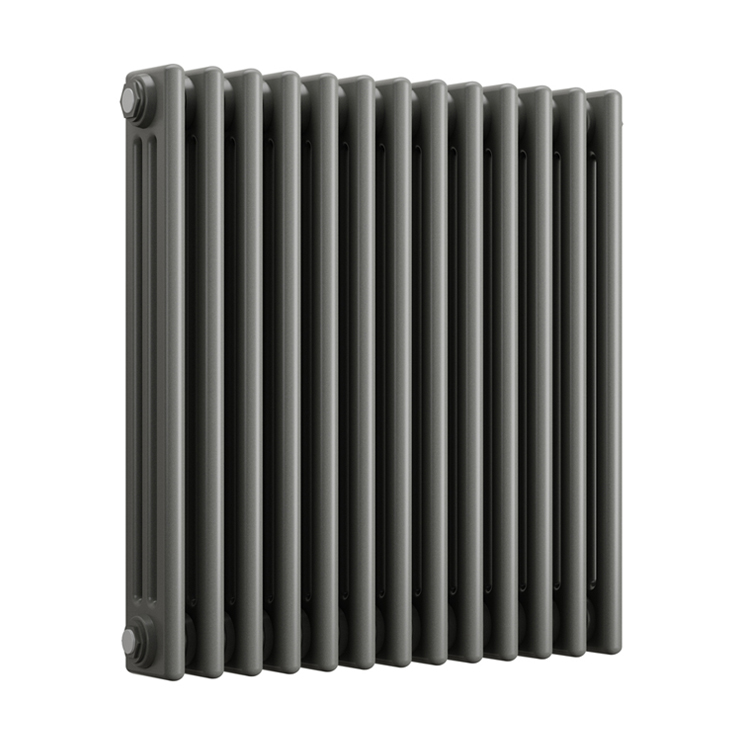
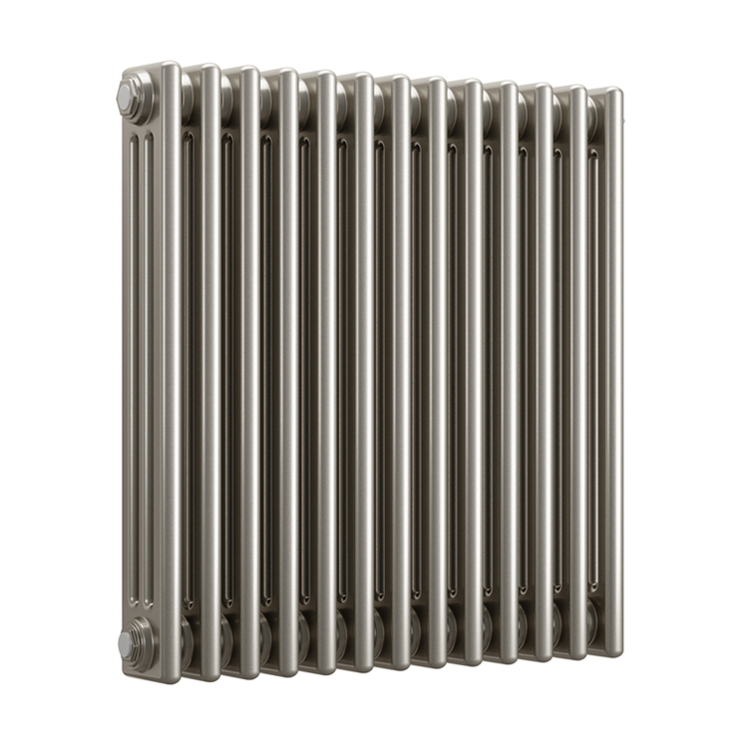
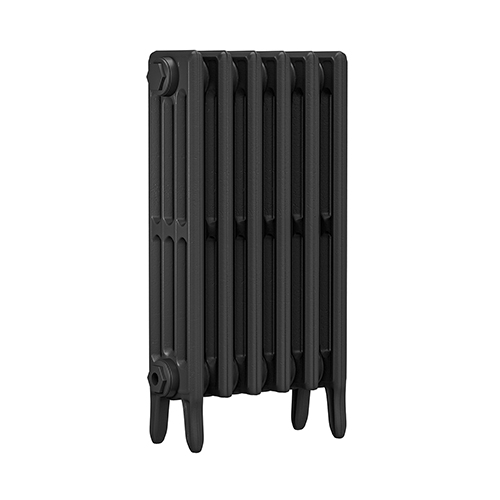
Radiators remain one of the most practical and popular options for small room heating. They are familiar, effective and available in a wide range of sizes, styles and outputs, making it easier to find a solution that suits compact spaces. The key is choosing the right size radiator for the room, as an oversized radiator may heat a space quickly, but without good controls it can make the room uncomfortably warm and waste energy. A radiator that is too small, on the other hand, may run for longer and still fail to reach the desired temperature. This can be frustrating in smaller rooms where steady comfort is important. Radiator sizing should take into account the room's dimensions, ceiling height, insulation, window size and how the room is used. A cloakroom used briefly during the day will have different heating needs from a home office where someone sits for several hours. A nursery may need gentle, consistent warmth, while a small lounge may need a radiator that can respond quickly on cold evenings.
At Radiator Outlet, you can compare affordable radiator styles, sizes and outputs to find a practical option for your space. Compact panel radiators, vertical radiators and efficient radiators with strong heat output can all work well in smaller rooms, depending on the layout.
Are electric radiators eco-friendly for small rooms?
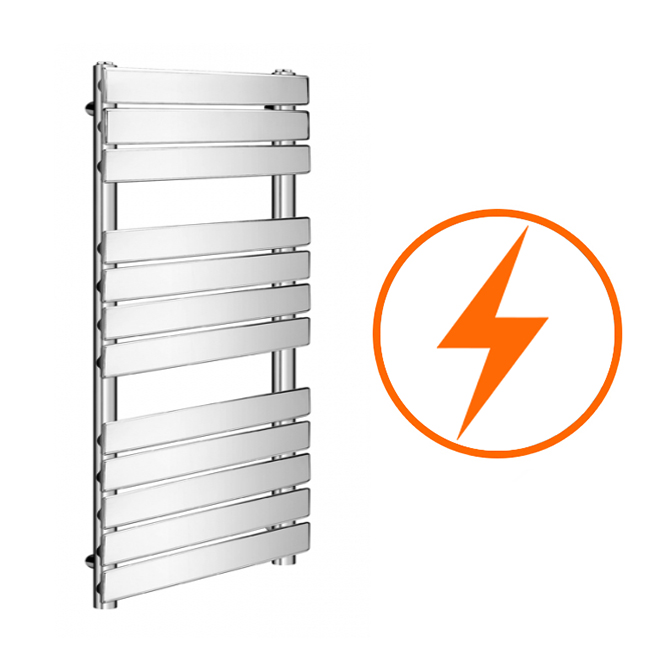
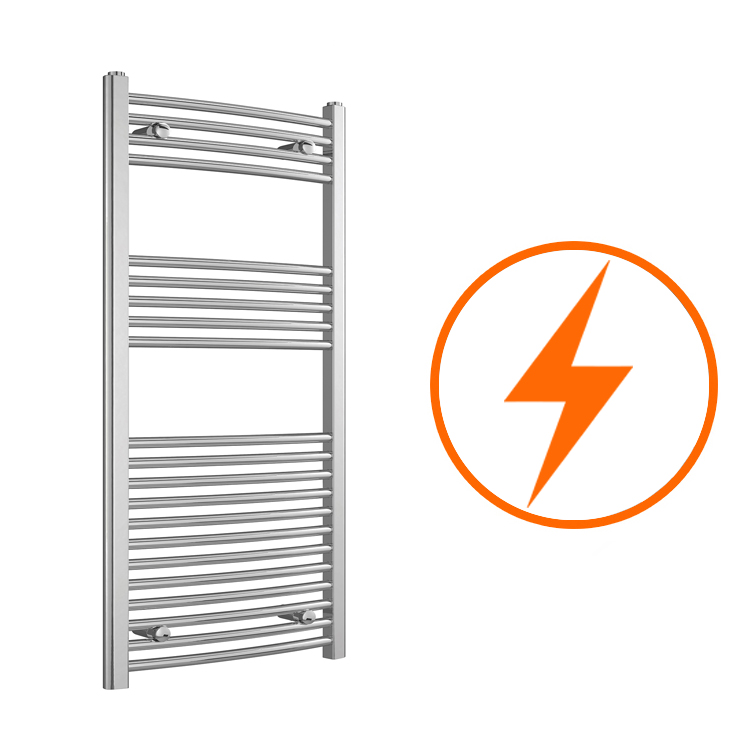
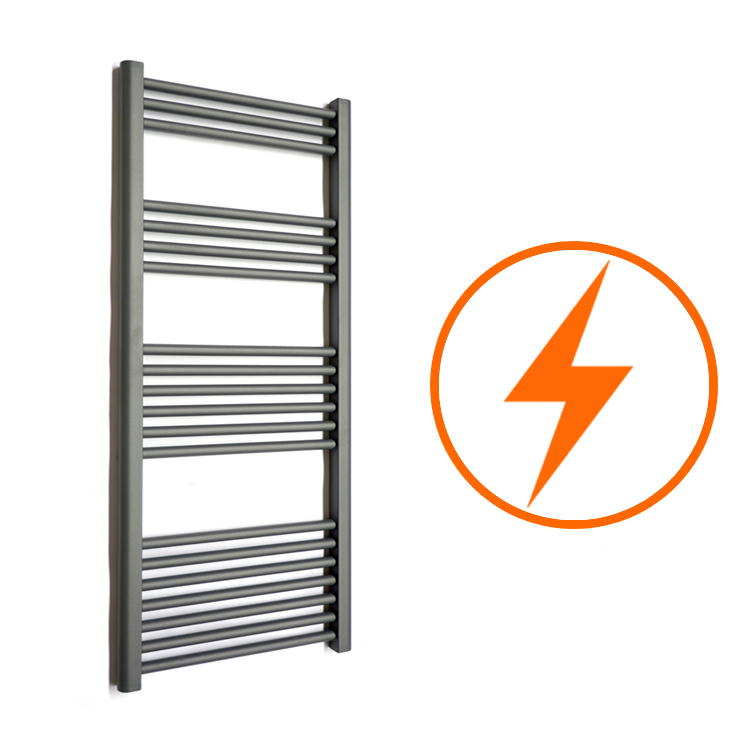
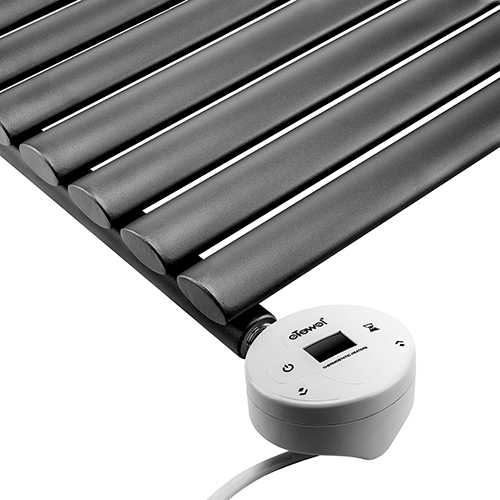
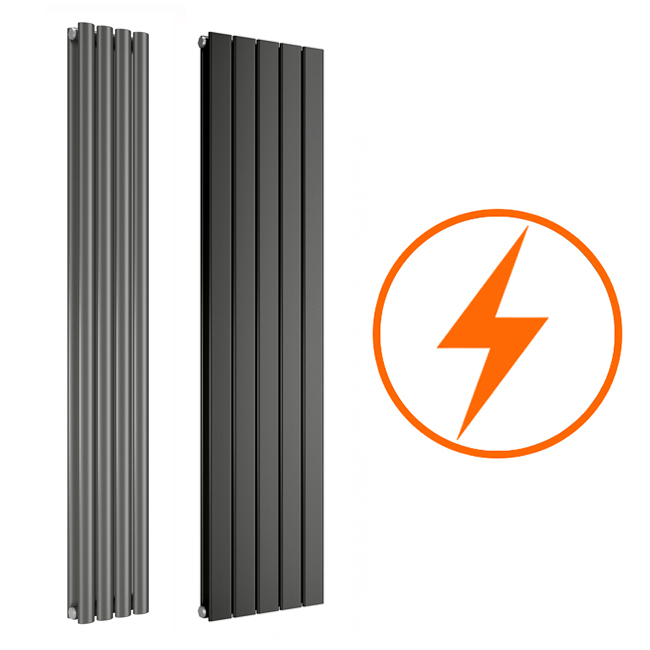
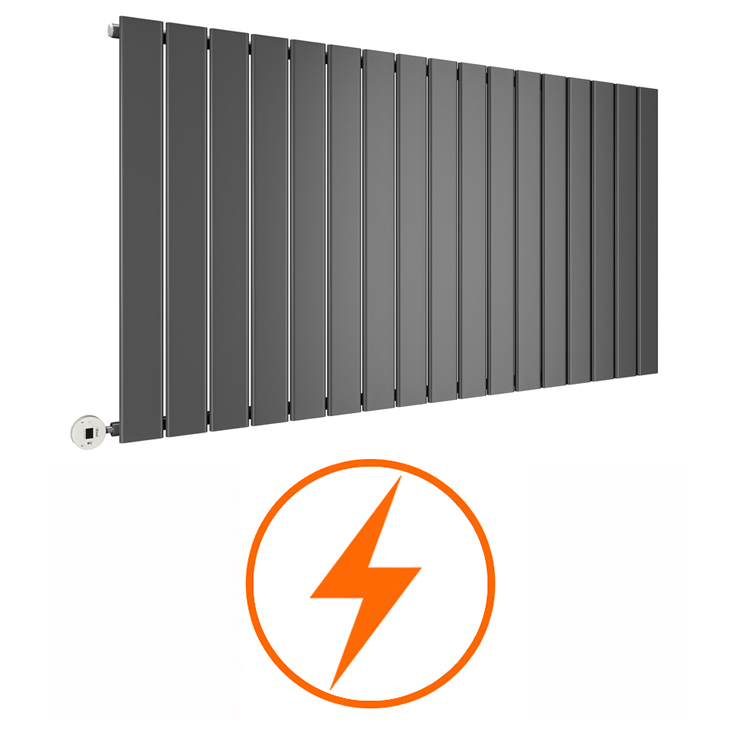
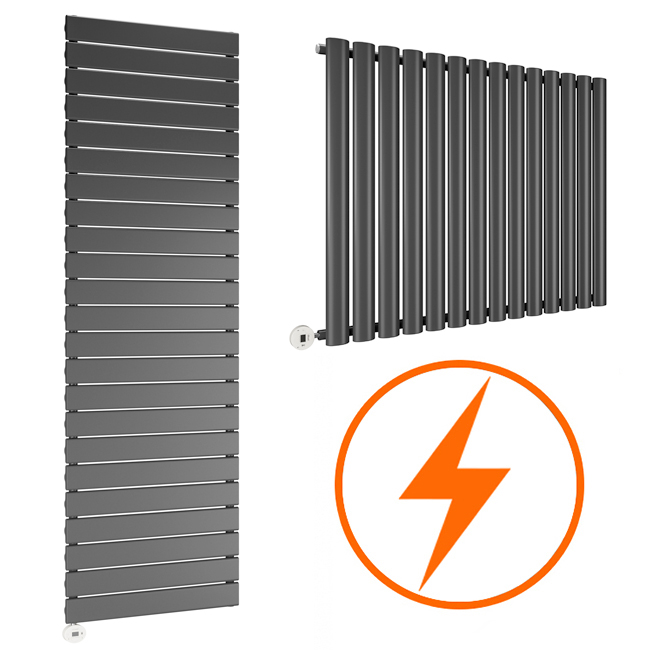
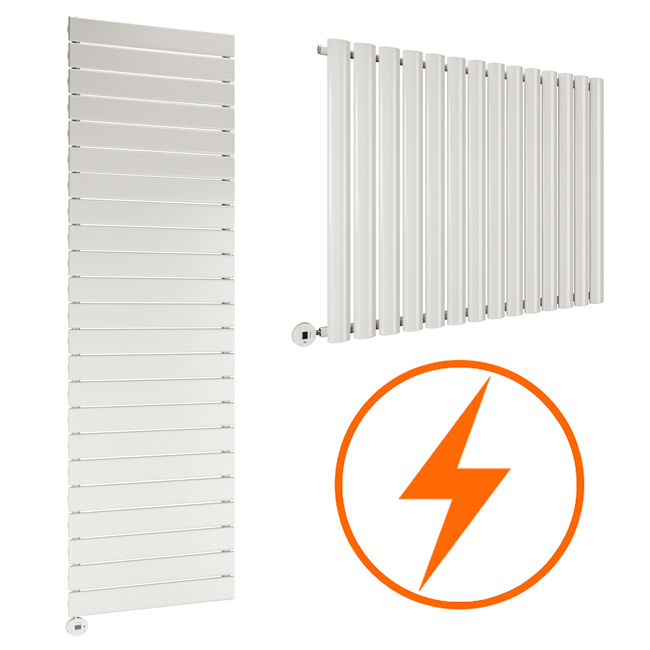
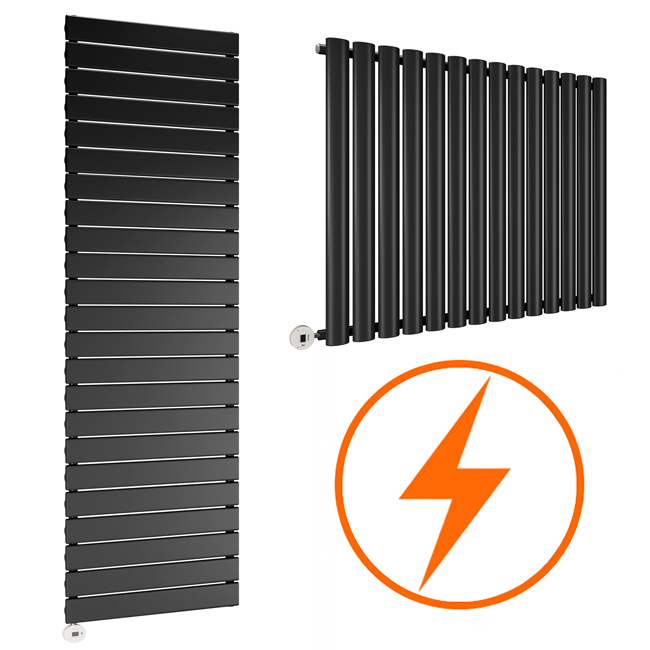
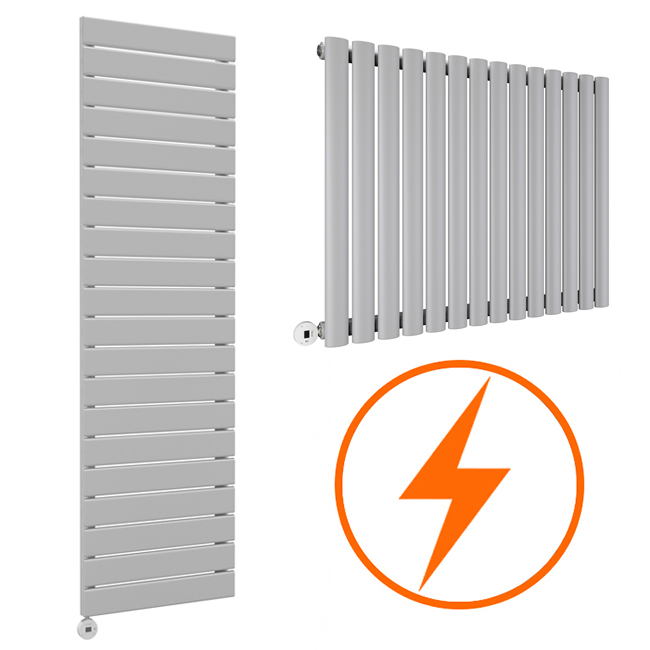
Electric radiators can be a useful option for certain small rooms, particularly where extending a central heating system would be expensive or impractical. They are often considered for garden offices, loft conversions, extensions, spare rooms and spaces that are only used occasionally.
One of the main advantages of electric radiators is control, as many models can be used independently, which means you can heat one room without turning on the entire central heating system. This can be helpful in a home office, for example, where you may only need warmth in one small space during the working day.
There are some important considerations before you go ahead, though. Electricity usually costs more per unit than gas, so electric radiators are not always the cheapest option for constant everyday heating. However, they can work well when used selectively, paired with precise timers, thermostats and room-by-room heating. They may also appeal to households using renewable electricity tariffs, although it is still important to avoid overstating environmental claims. An electric radiator is only as low-carbon as the electricity supply behind it. For small spaces used at specific times, electric radiators can offer a practical balance of comfort, convenience and controllability.
Is underfloor heating a good eco-friendly option?

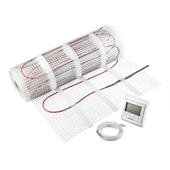
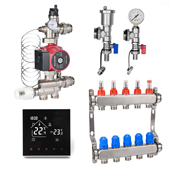
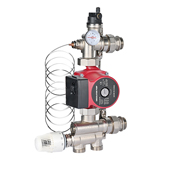
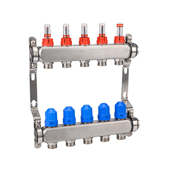
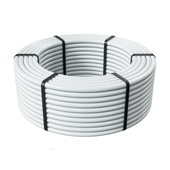
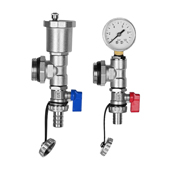
Underfloor heating can be a good eco-friendly heating option for some small rooms because it distributes warmth evenly across the floor area. This can make the room feel comfortable without needing a bulky radiator on the wall, which is especially useful in bathrooms, en-suites, kitchens and compact rooms where wall space is limited. In a small bathroom or ensuite, underfloor heating can add a sense of comfort while helping tiled floors feel warmer underfoot. It can also be useful in rooms where furniture placement makes it difficult to position a radiator effectively. Because the heat is spread evenly, the room can feel pleasantly warm without relying on a single hot spot.
Underfloor heating is often best planned as part of a renovation, new flooring project or larger refurbishment, as it may not be the cheapest retrofit option if floors need to be lifted or replaced. Running costs will depend on the system, insulation, controls and how the room is used. In small rooms, underfloor heating can be efficient when controlled properly, but it should be chosen because it suits the space rather than simply because it sounds more eco-friendly.
Use smart heating controls to avoid wasted energy
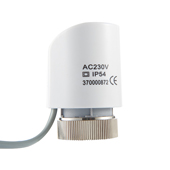
Smart heating controls can make a real difference in small rooms because they help prevent overheating and unnecessary energy use. Compact spaces respond quickly to heat, so precise timing and temperature control matter. Programmable thermostats allow you to set heating schedules around your routine. In a home office, this might mean warming the room before the working day starts and switching the heating down once you finish. In a nursery or bedroom, it could mean keeping the room comfortable at key times without leaving the heating running all day.
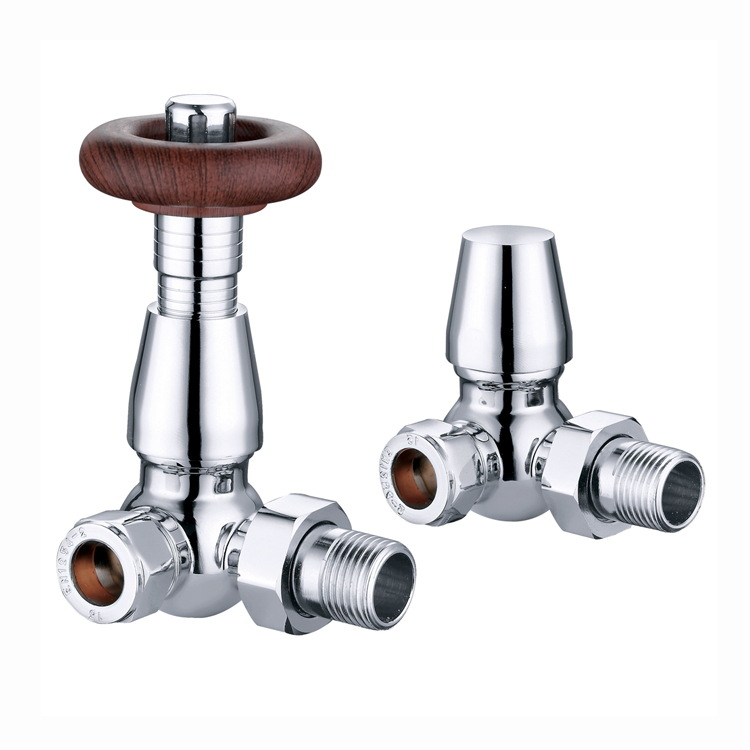
Thermostatic radiator valves are also useful for controlling individual radiators. They allow you to adjust heat output room by room, rather than treating the whole house as one temperature zone. App-based controls and smart thermostats can take this further by allowing you to manage heating remotely, create schedules and avoid heating empty rooms. Zoned heating is especially helpful for small-space living. Instead of heating the entire home when you only need one room, you can focus the warmth where it is needed. This improves comfort and can help reduce wasted energy when used sensibly.
Best eco-friendly heating choices for different small rooms
A home office usually needs responsive, controllable heating. If you work in the room for several hours, a correctly sized radiator connected to central heating can be effective. An electric radiator may also work well if the office is separate from the main heating system or only used during working hours. Smart heating controls are particularly useful here because they let you match warmth to your schedule. Small bedrooms need steady, comfortable heat rather than intense bursts of warmth. A compact radiator with a suitable output is often the most practical choice. In nurseries, controllability is especially important, as the aim is to maintain a comfortable temperature without overheating the room.
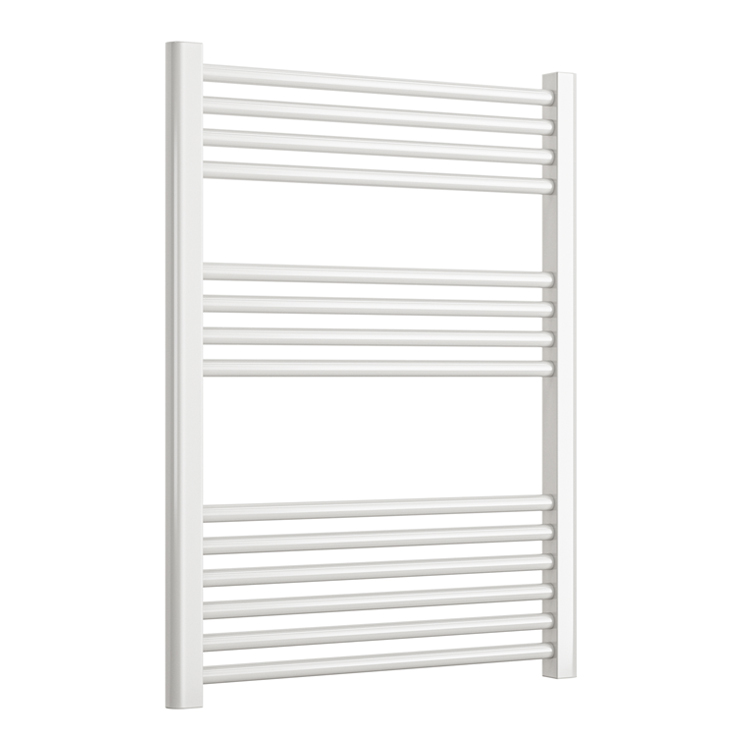
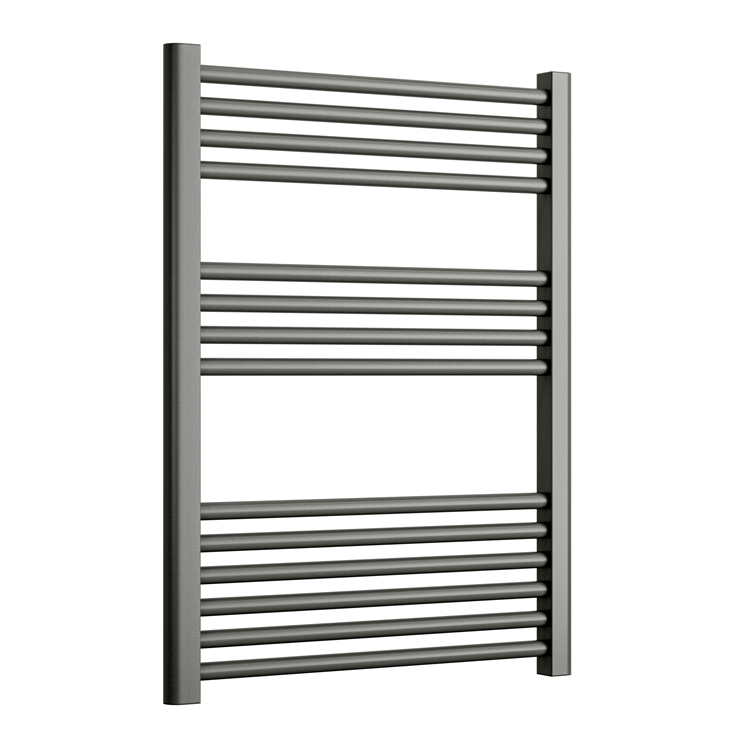
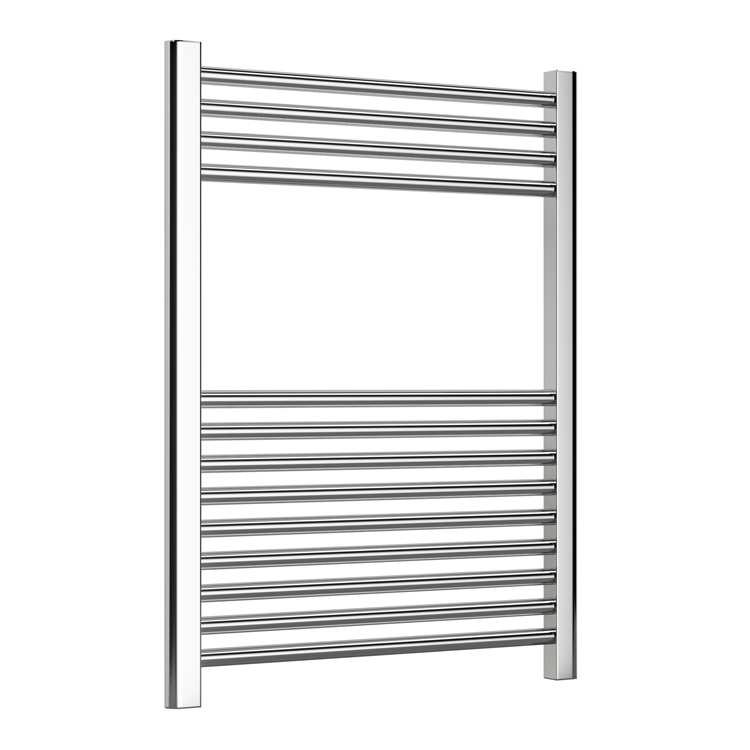
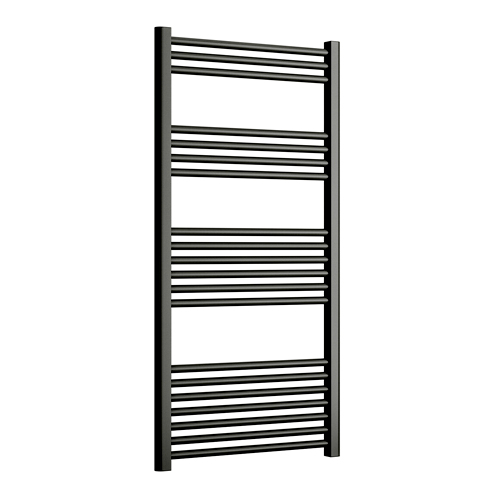
Bathrooms and en-suites often benefit from heating that provides both warmth and practicality. A heated towel rail, compact bathroom radiator or underfloor heating system can all work well depending on the layout. Underfloor heating can be particularly appealing where floor space is small and wall space is limited. Cloakrooms tend to need modest heat output because they are used briefly. A small radiator or towel rail may be enough, provided the room is not especially draughty. Occasional-use rooms, such as spare bedrooms, hobby rooms or converted spaces, benefit from heating that can be turned on only when needed. This is where programmable thermostats, electric radiators or well-controlled central heating zones can be helpful.
Simple habits that make small room heating greener
The way you use your heating can be just as important as the system you choose. Lowering thermostat settings slightly, using timers and closing doors can all help reduce unnecessary energy use without making the room uncomfortable.
Keeping radiators clear is another simple but often overlooked habit. Furniture, curtains and storage boxes can block heat from circulating properly, making the radiator work less effectively. Bleeding radiators when they develop cold spots can also help your heating system perform more efficiently. Boiler maintenance, as a central heating system that is serviced and working properly is more likely to heat rooms effectively. If radiators are slow to warm up, noisy or uneven, it may be worth checking whether the system needs attention. Portable plug-in heaters can be useful in emergencies or for very occasional use, but they are rarely the best long-term solution for regular heating. If you find yourself relying on one every day, it may be more cost-effective and comfortable to look at a properly sized radiator or a more suitable permanent heating option.
Comfort, control and correct sizing
Eco-friendly heating for small rooms is about finding the right balance. The best choice is usually not the biggest heater or the most expensive system, but the one that suits the room, matches how you use it and gives you proper control. A well-sized radiator, good insulation, smart heating controls and sensible room-by-room heating can all help reduce energy waste while keeping your home comfortable. Underfloor heating can be a strong option for certain small spaces, while electric radiators can work well in rooms used occasionally or separately from the main central heating system.
For most compact rooms, the aim is simple: keep warmth where you need it, avoid heating where you do not and choose products that are suited to the space. To find the right fit for your home, shop Radiator Outlet's affordable radiator range and compare styles, sizes and outputs for every room.