Need Radiators FAST?

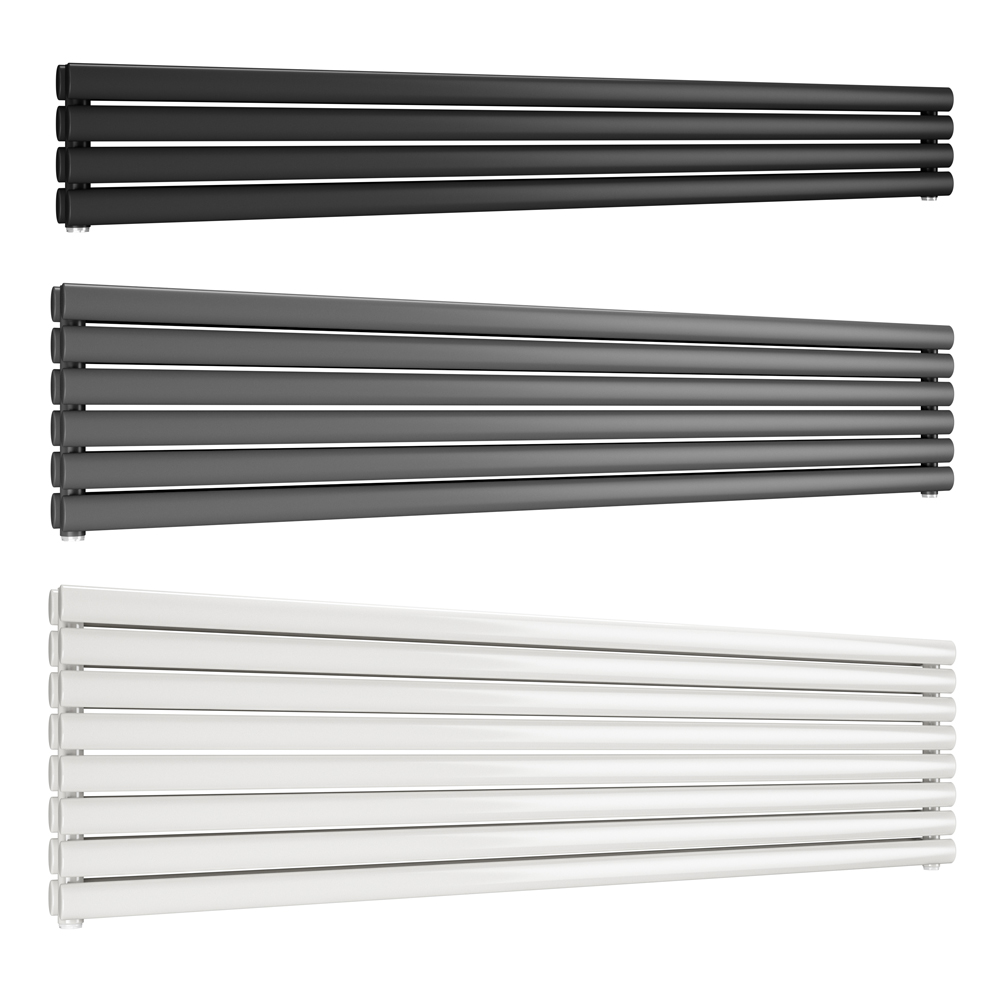
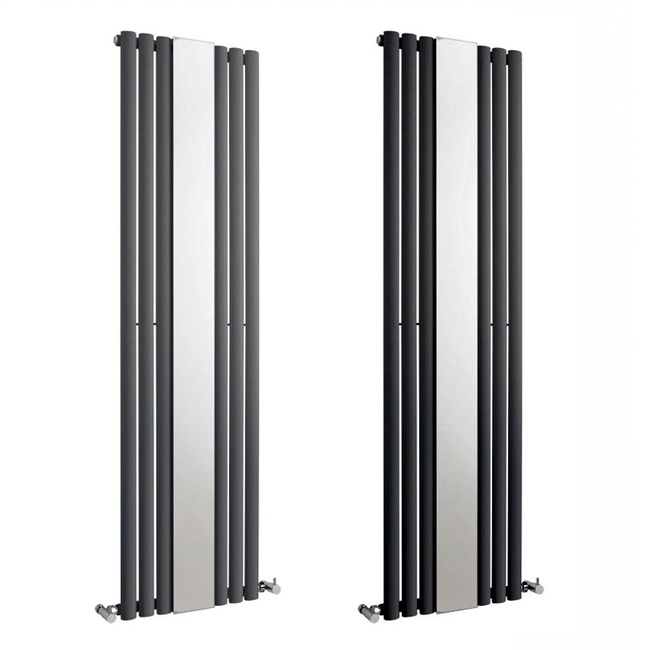
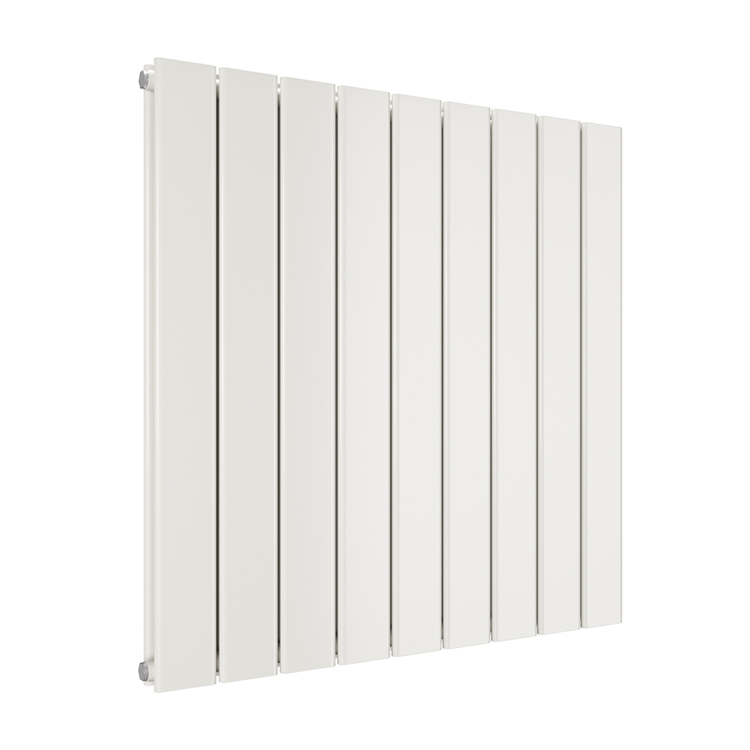
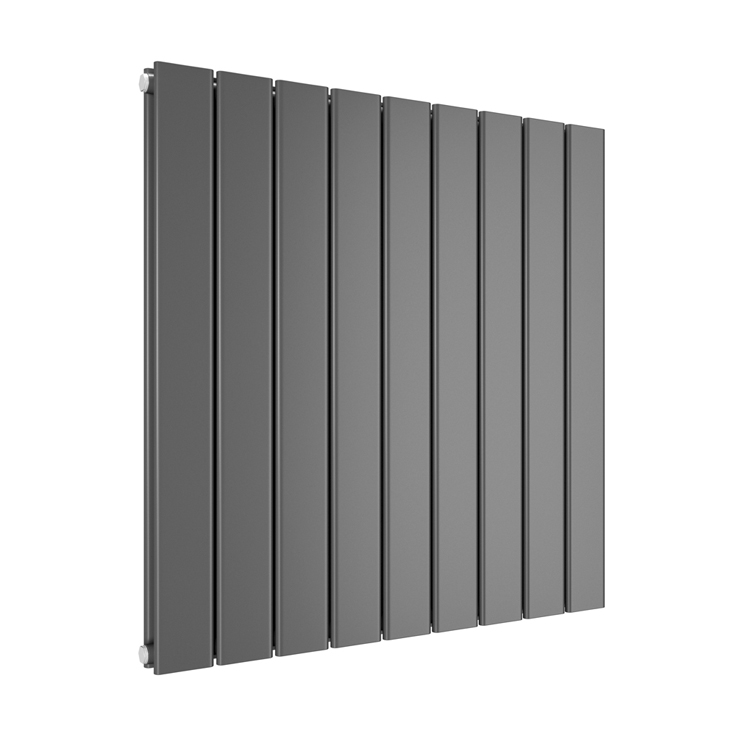
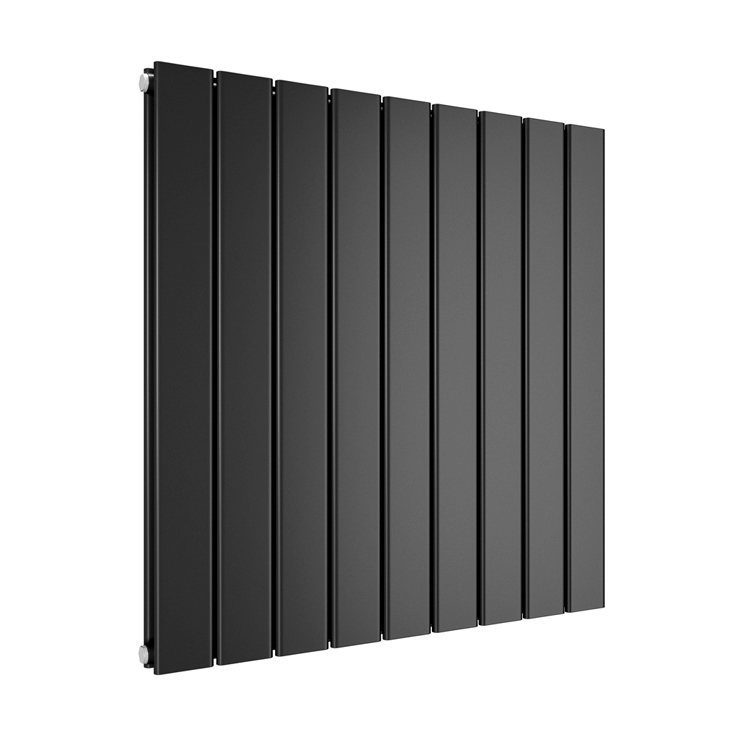
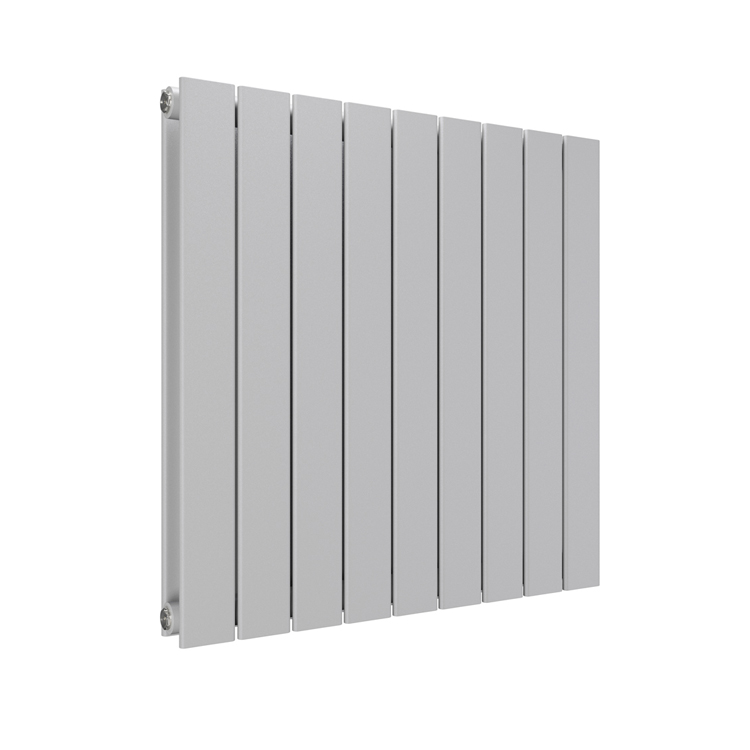
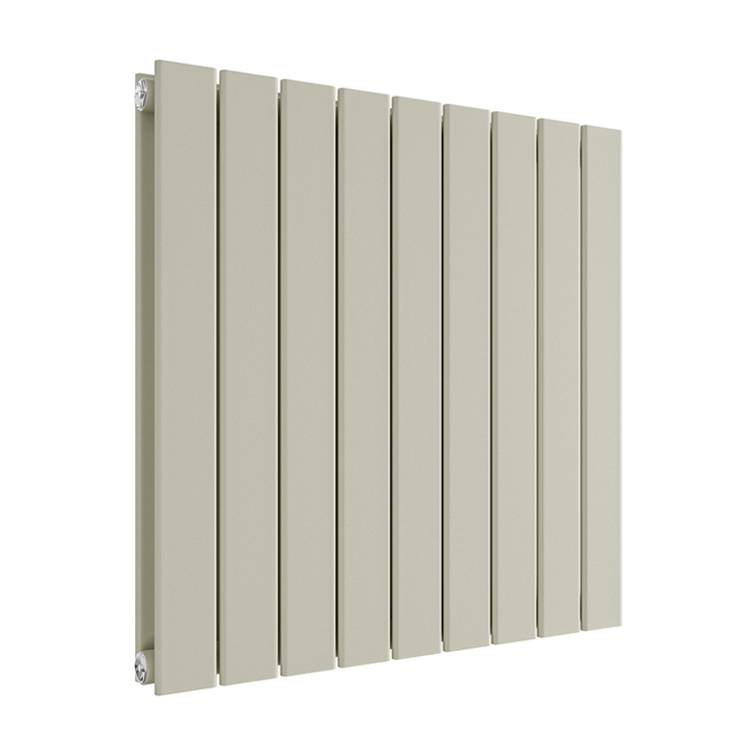
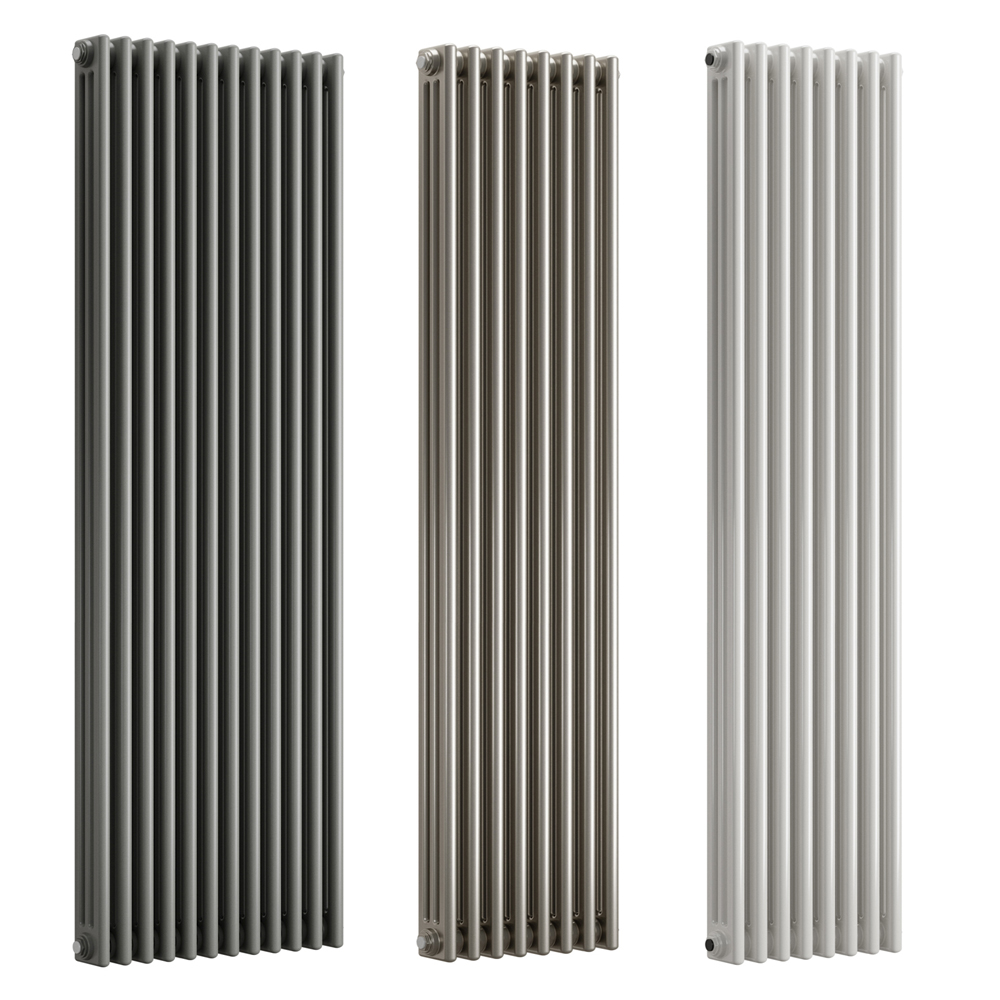
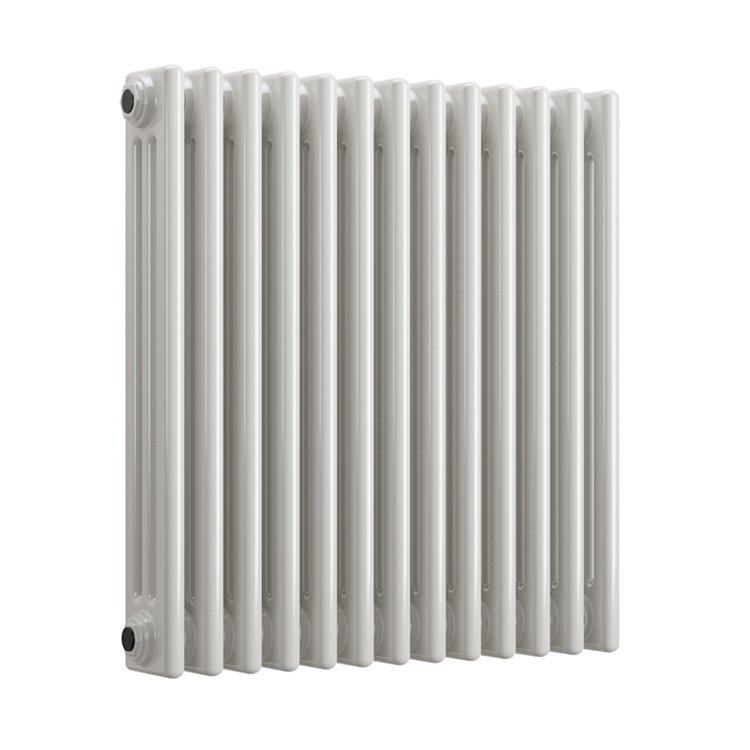
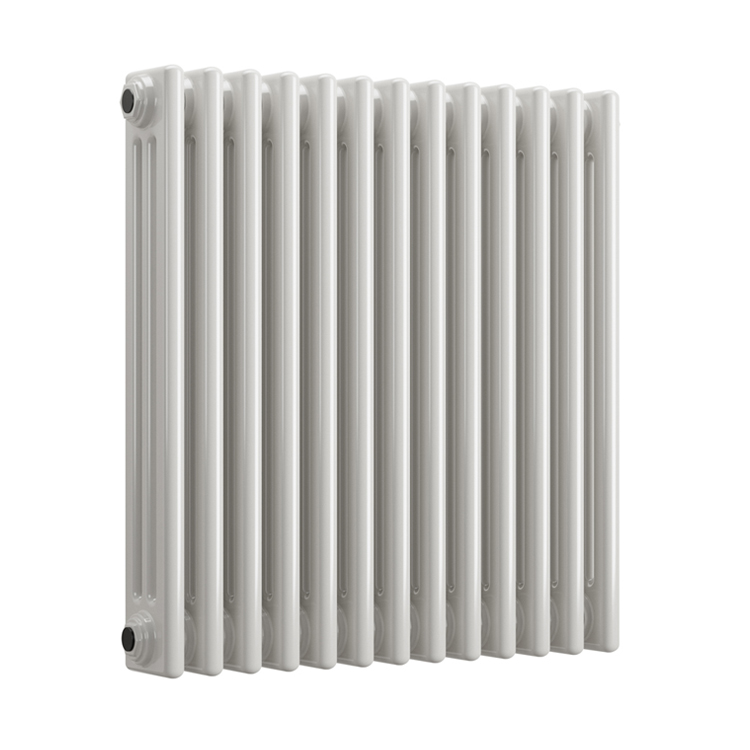
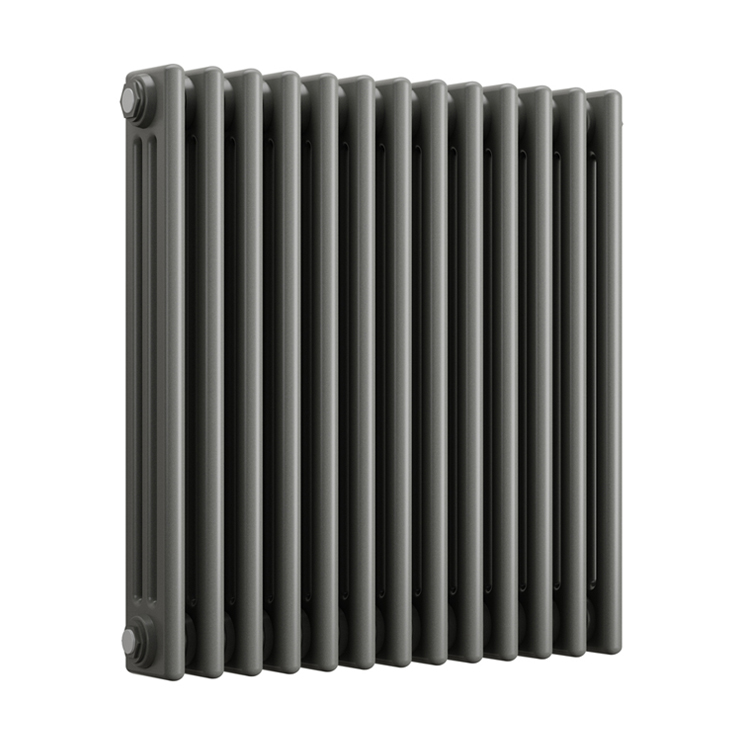
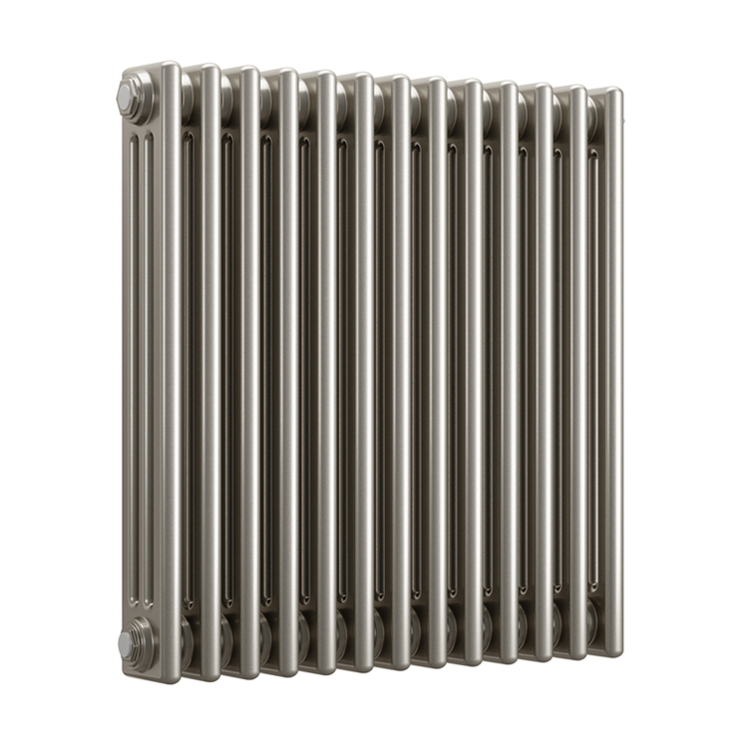
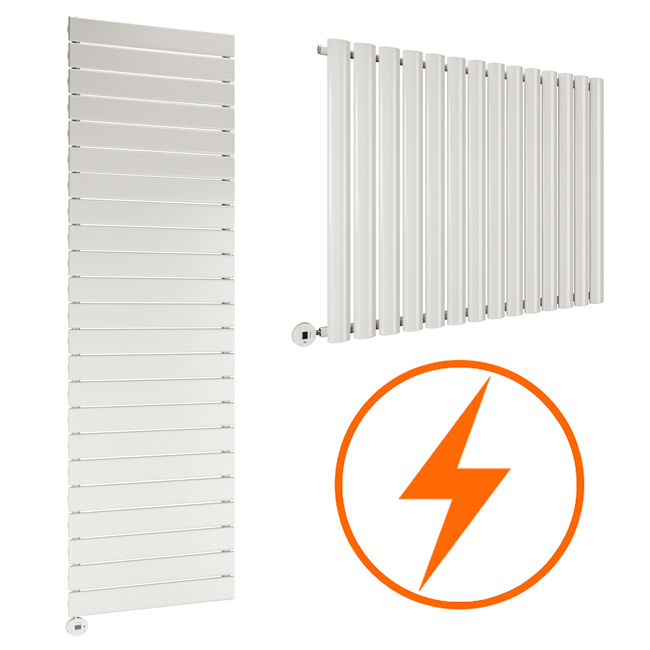
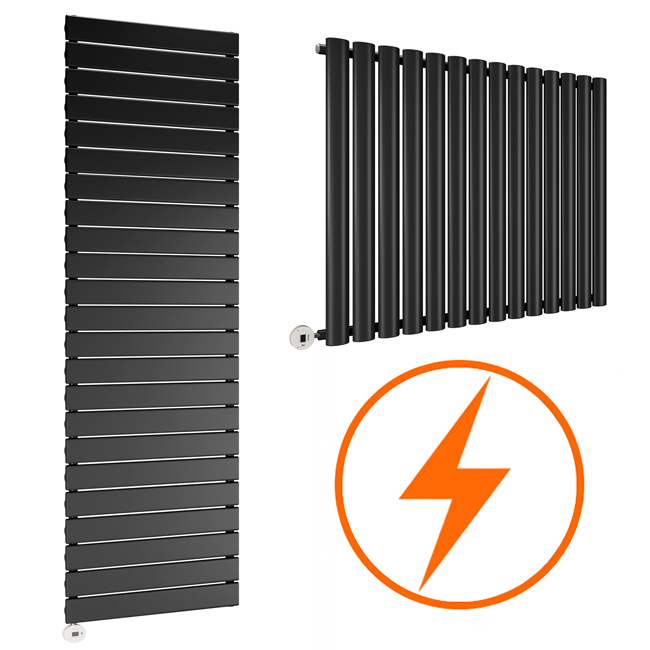





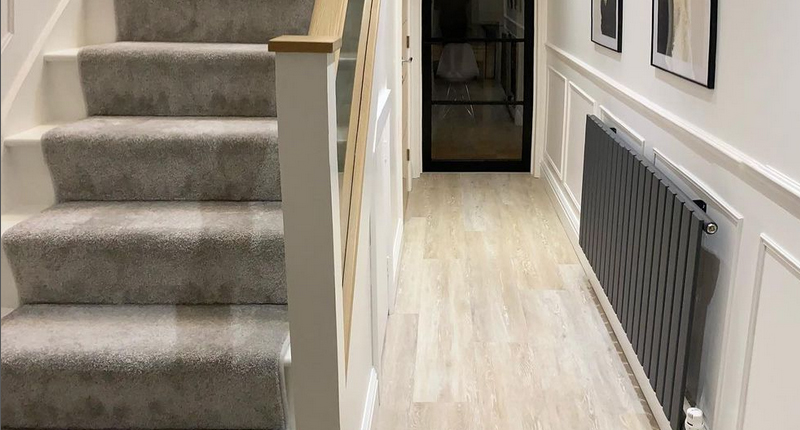
Your radiator colour isn't just a practical finishing touch; it is the difference between a room that quietly comes together and a room that feels like something has been thrown in at the end. Get it right and your radiator can sharpen a modern kitchen, soften a bedroom, bring character to a hallway or make a living room feel properly finished. Get it wrong and even the most carefully chosen paint colour, flooring and furniture can feel slightly off.
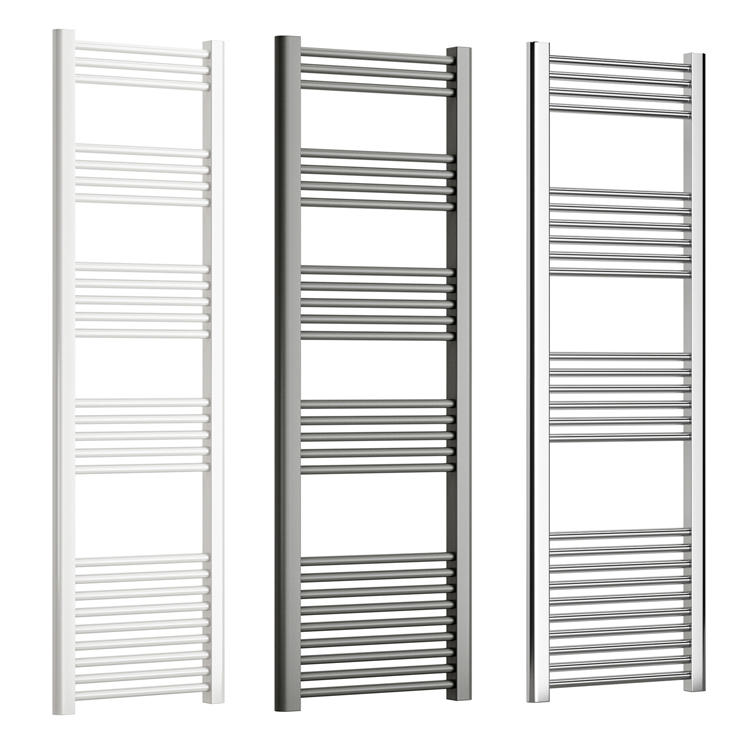
That is why white and anthracite grey remain two of the most popular radiator colours in UK homes. Both are practical, versatile and easy to live with, but they create very different moods. White is clean, classic and quietly confident, while anthracite grey is bold, contemporary and a little more design-led. The best choice depends on whether you want your radiator to blend in beautifully or stand out for all the right reasons.
Radiator colour can make all the difference
A radiator is often one of the most visible fixtures in a room, especially in living rooms, kitchens, bedrooms and hallways where wall space is limited. Even when the radiator is not the main focus, its colour can affect how the room feels overall. A white radiator against a pale wall can almost disappear into the background, creating a light and seamless look. This can be useful in smaller rooms, rental properties, minimalist interiors or spaces where you want other features, such as artwork, furniture or flooring, to take visual priority.
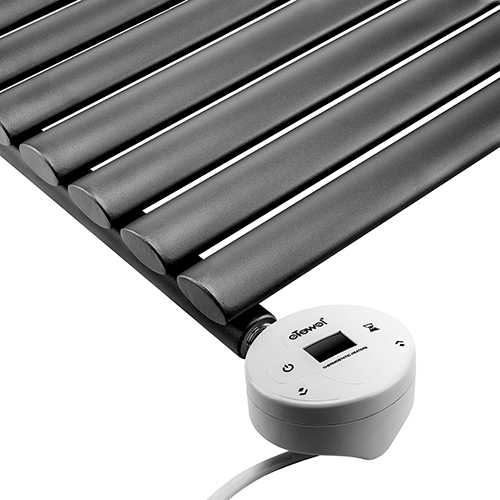
An anthracite grey radiator, on the other hand, makes more of a design statement. It can add depth, contrast and a premium feel, especially when paired with neutral walls, black fixtures, dark flooring, exposed brick, wooden furniture or industrial-inspired details. This is why radiator colour should not be an afterthought – it is both a practical and design-led decision.
The timeless appeal of white radiators
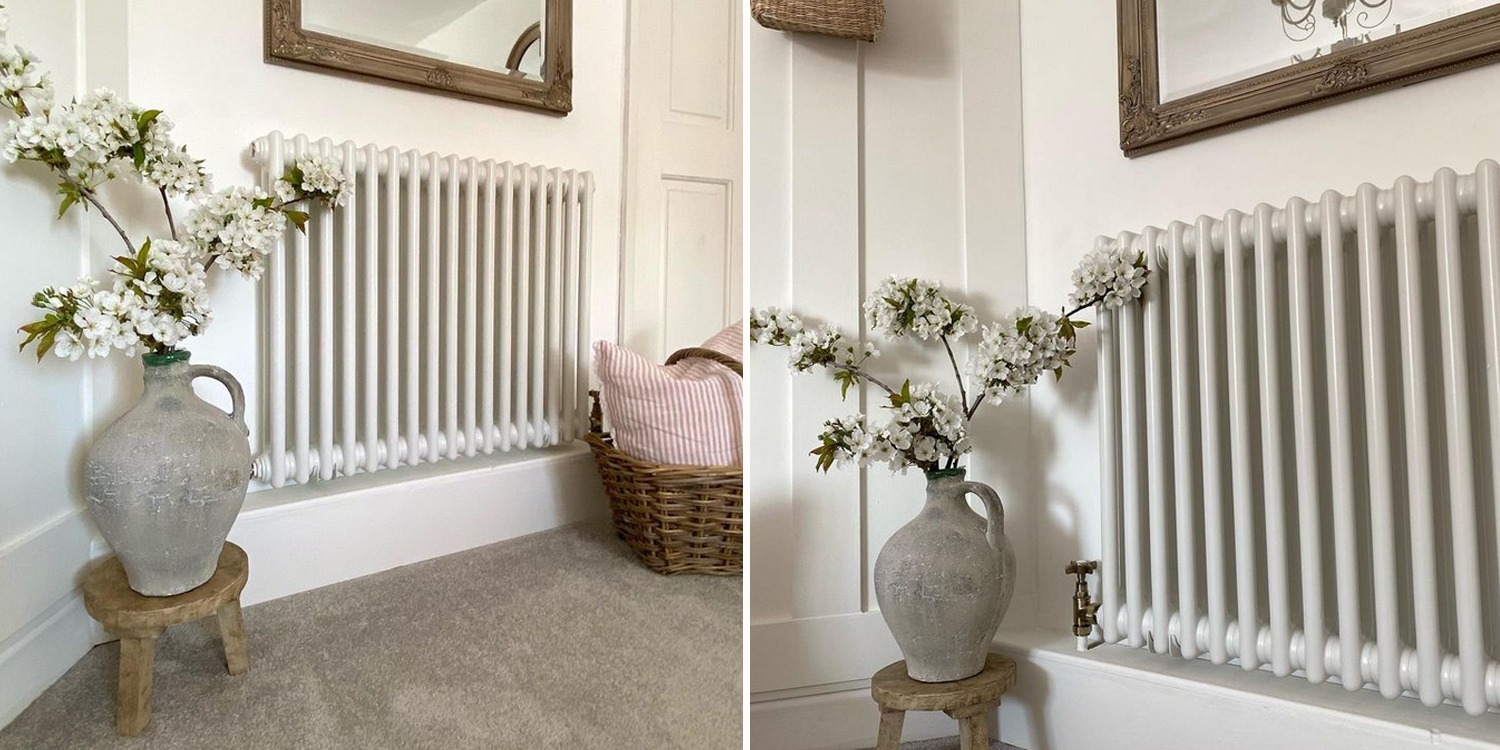
White radiators have remained popular for decades because they are easy to live with. They suit almost every type of home, from new-build properties and rental houses to Victorian terraces, cottages and large family homes. Their clean, bright finish makes them one of the safest and most flexible choices for long-term interiors.
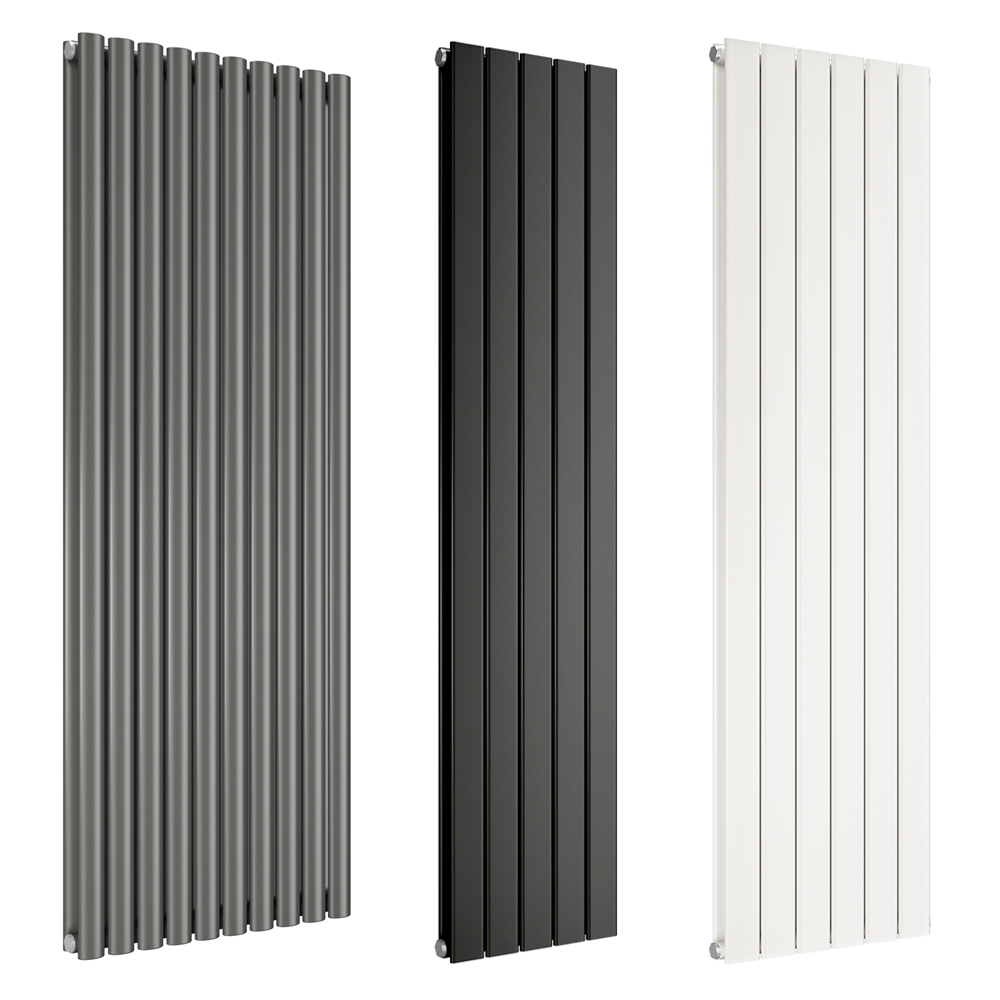
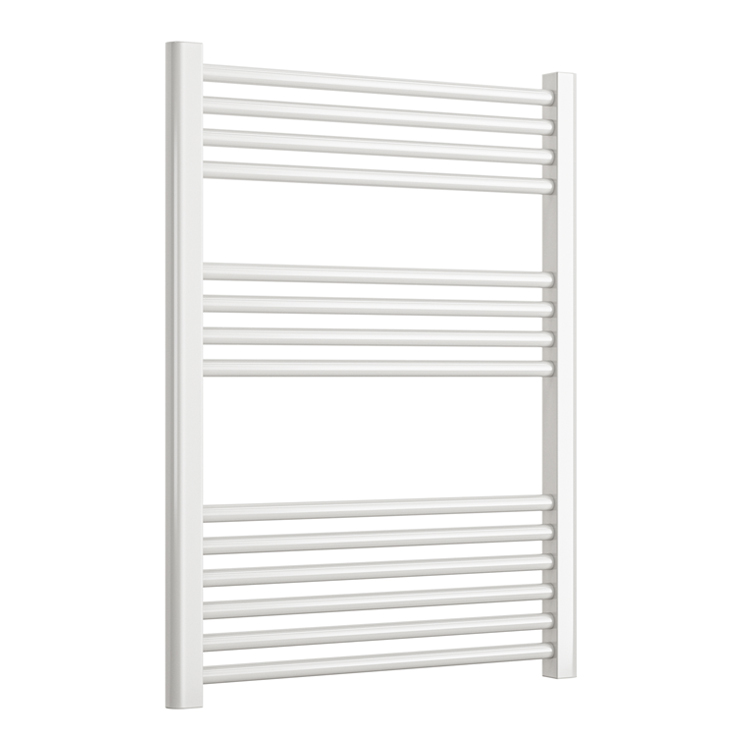
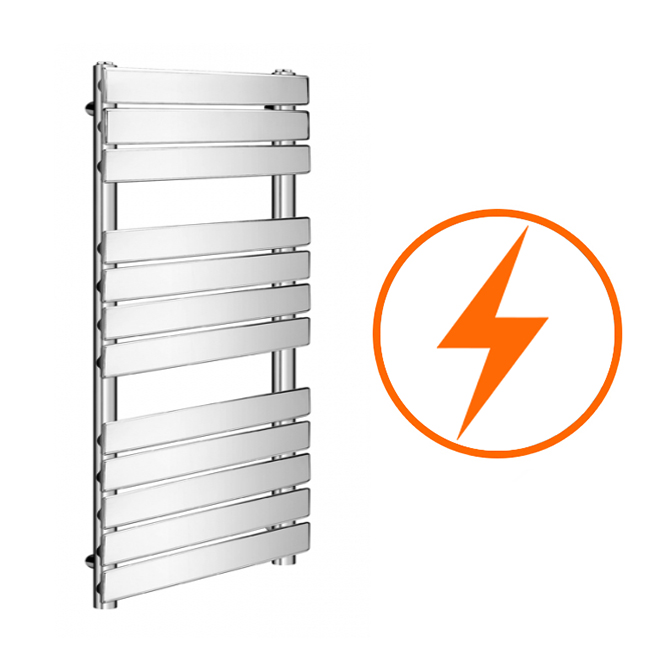
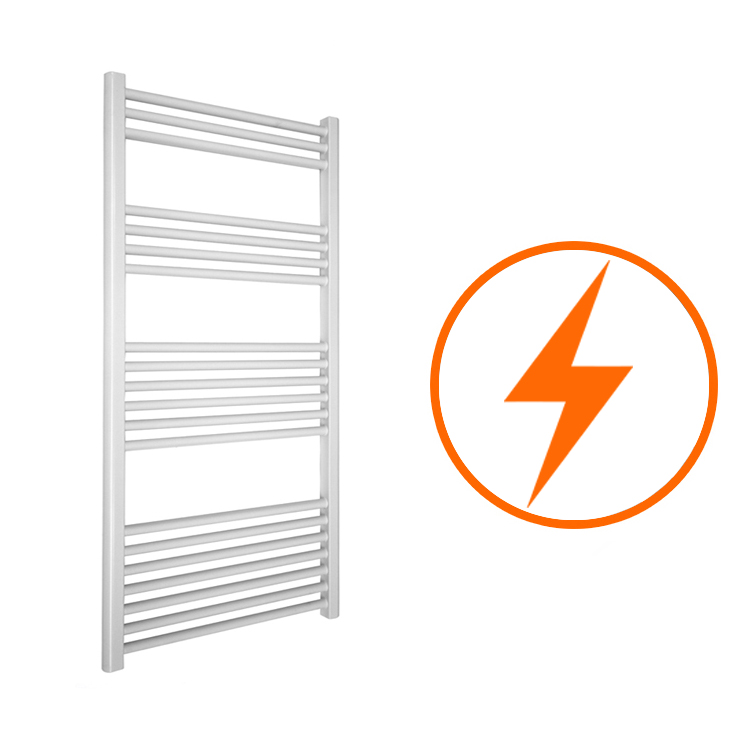
One of the biggest advantages of white radiators is their ability to blend into a space. If your walls are white, cream, pale grey or another soft neutral shade, a white radiator can sit quietly in the room without drawing too much attention. This makes it ideal for compact spaces where you do not want the radiator to feel visually heavy. White radiators are a great choice when you want something more stylish than a standard panel radiator, but you still want to keep the overall look fresh and understated. A white vertical designer radiator, for example, can add height and elegance to a room without overpowering it. This works particularly well in kitchens, hallways and smaller living spaces where wall space is at a premium.
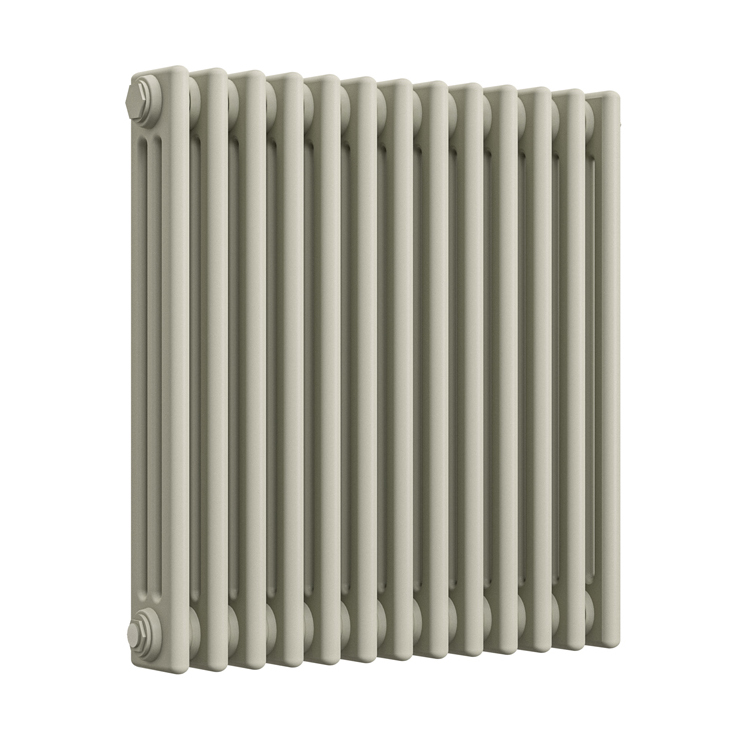
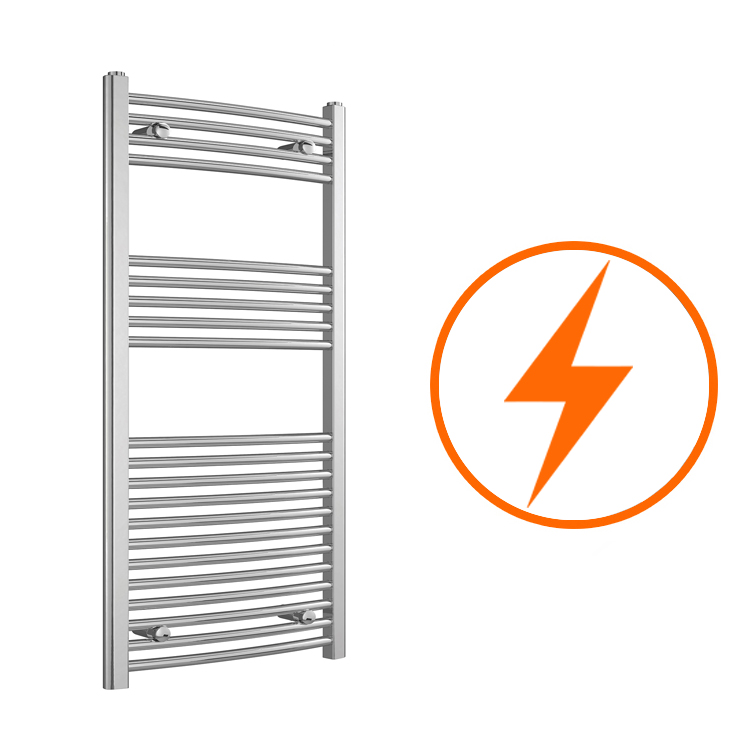
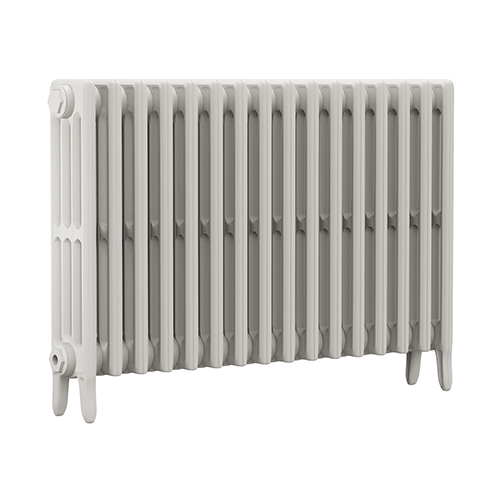
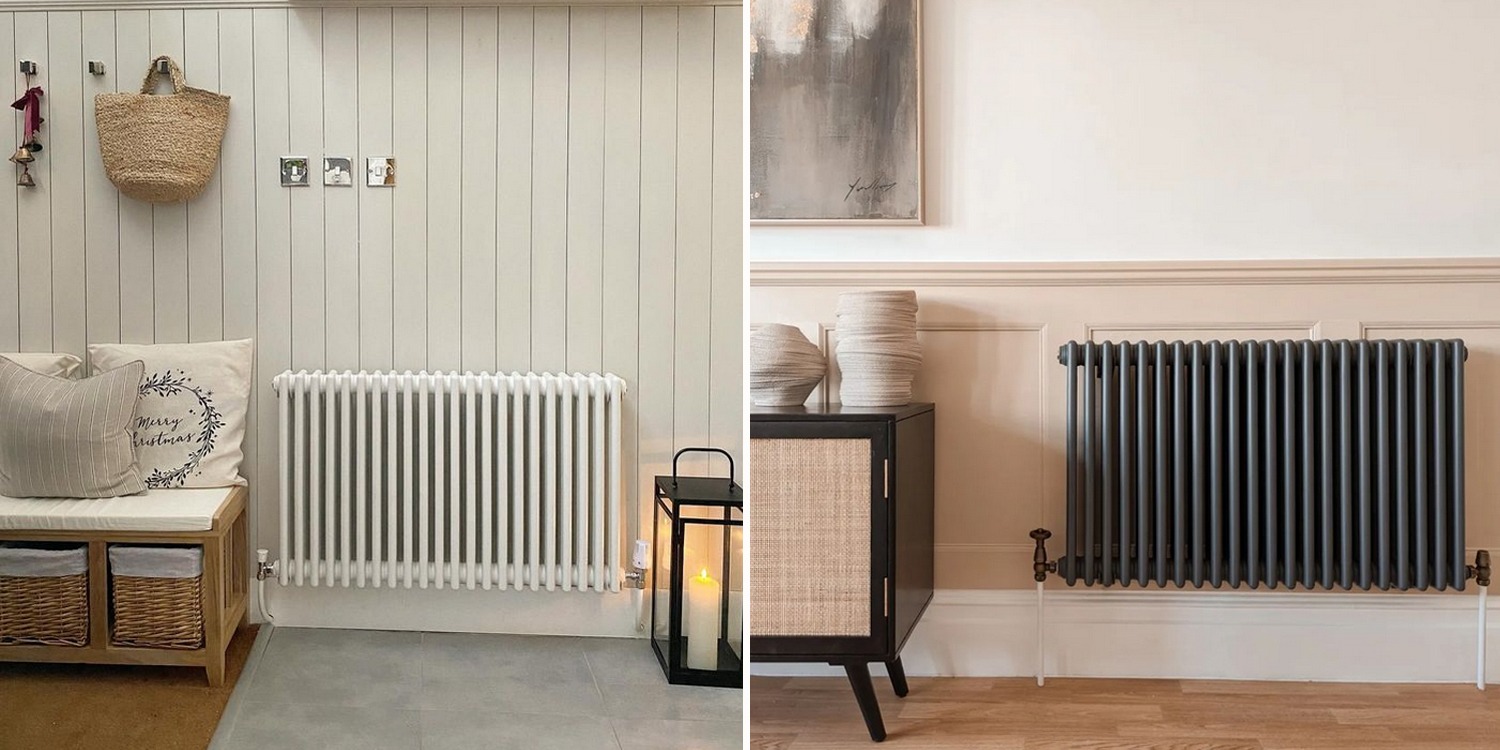
White traditional radiators are also well suited to period homes and classic interiors. A white column radiator can feel elegant, familiar and sympathetic to older properties, especially when paired with features such as wooden floors, cornicing, fireplaces or traditional-style skirting boards. The white finish keeps the look crisp and timeless, while the radiator shape adds character. For landlords and renovators, white radiators are often a practical choice because they appeal to the widest range of tastes. They are unlikely to date quickly and can work with changing decor, making them a sensible option in properties that may be redecorated or rented out over time.
Why anthracite grey radiators are so popular
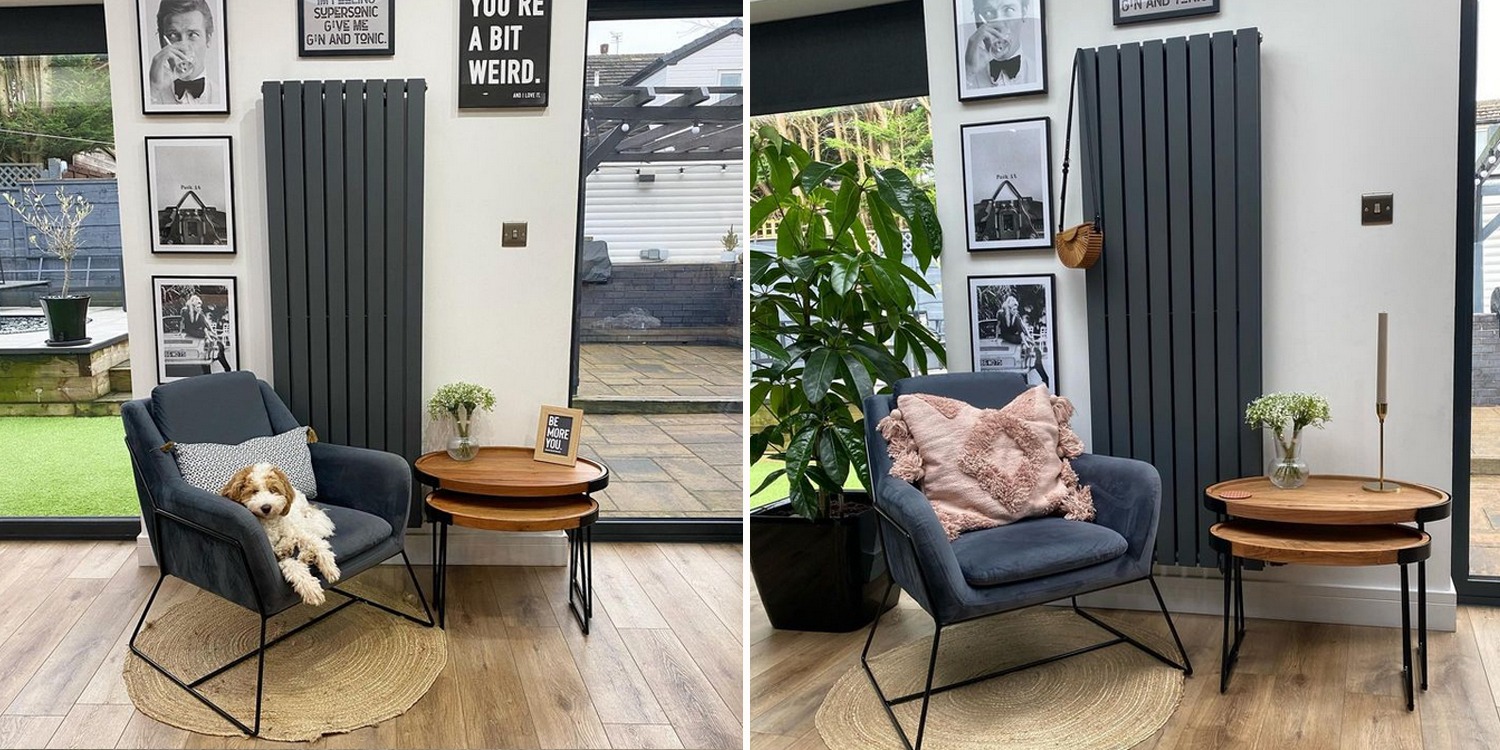
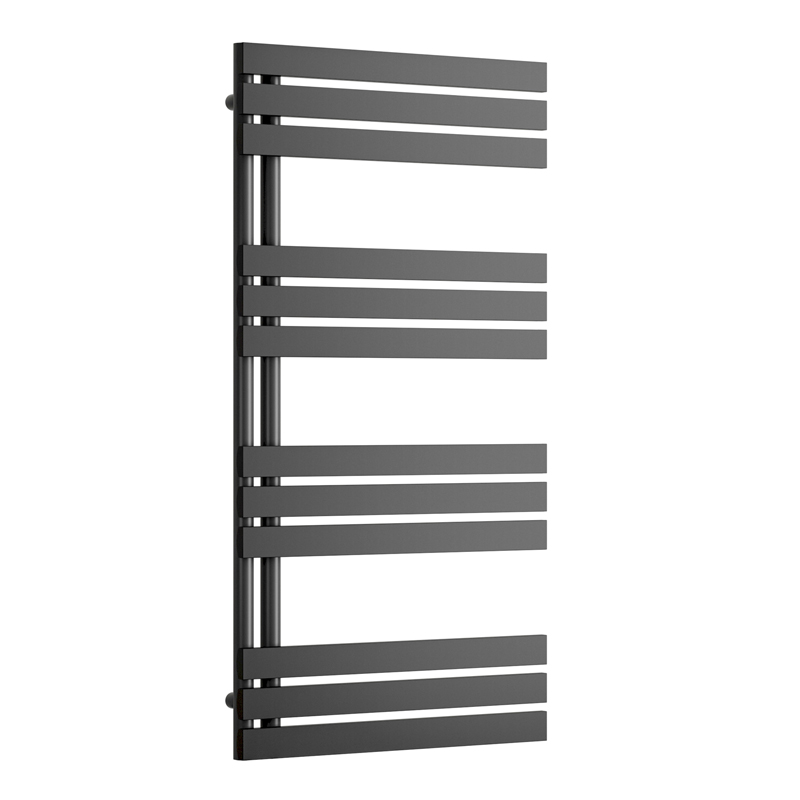
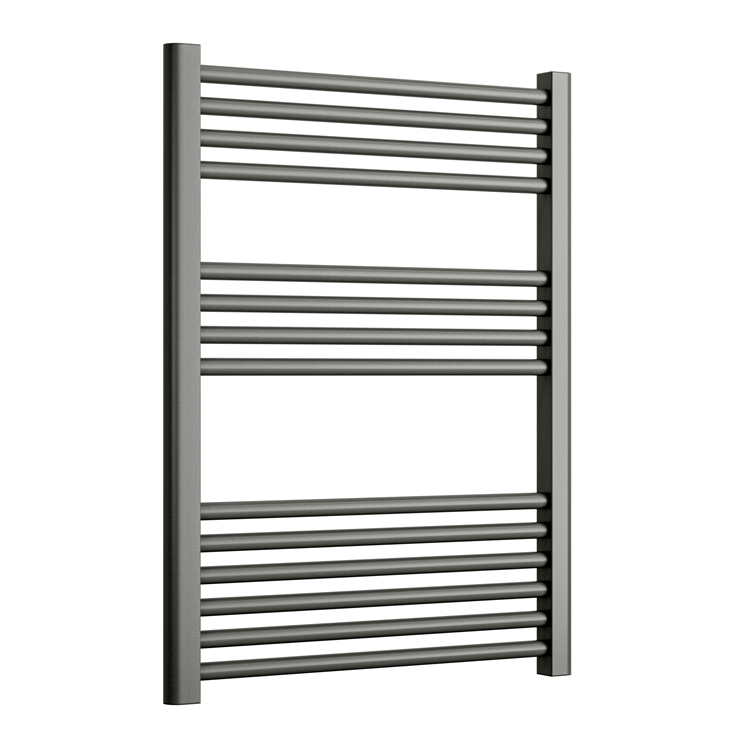
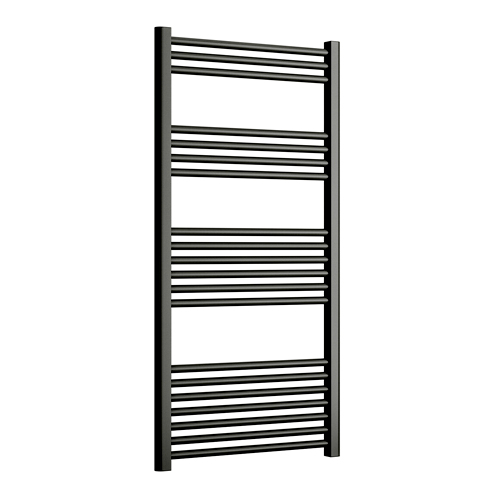
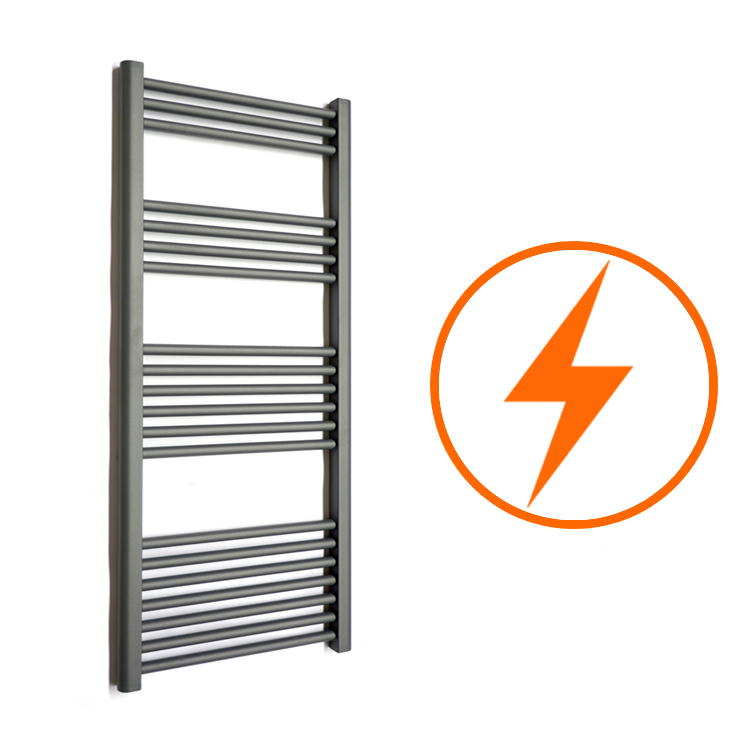
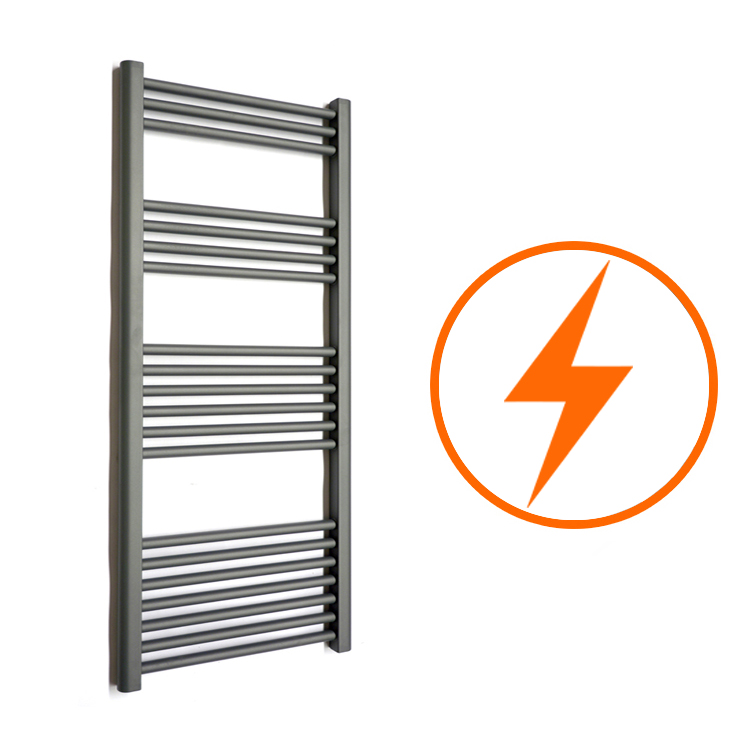
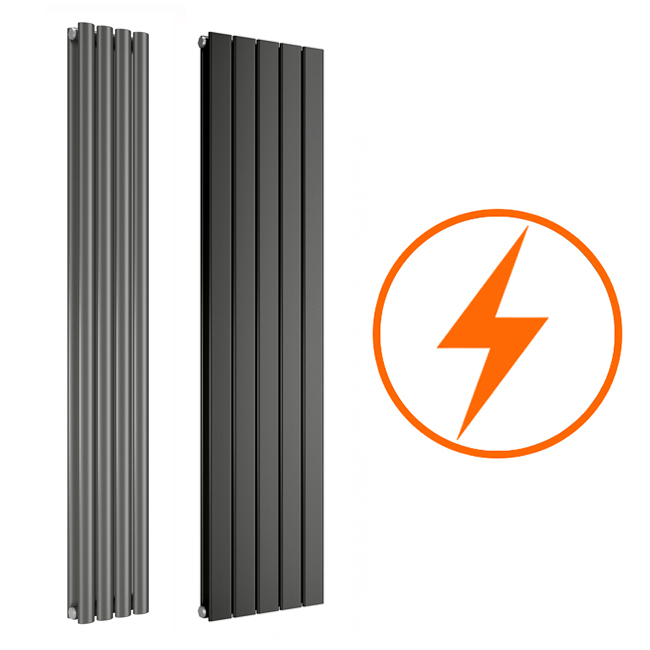
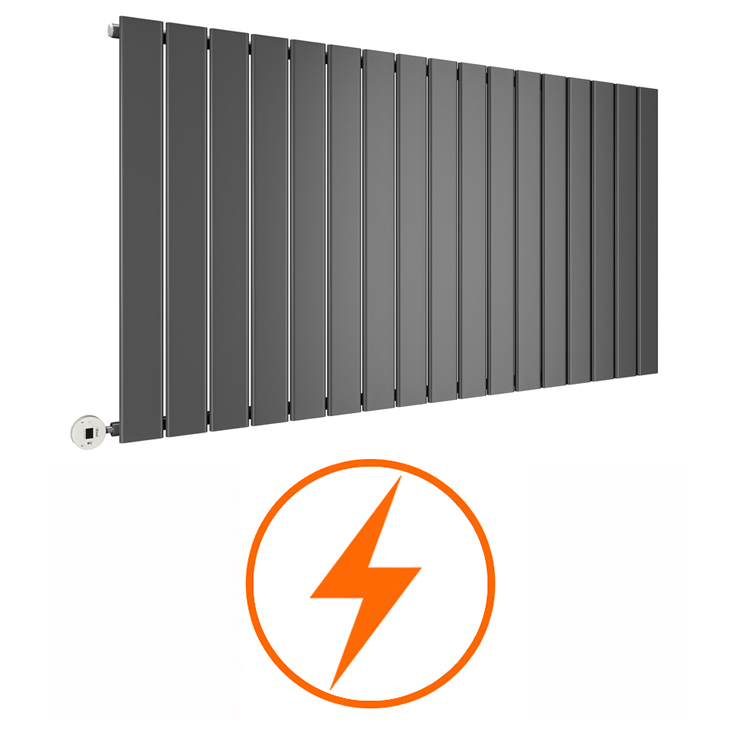
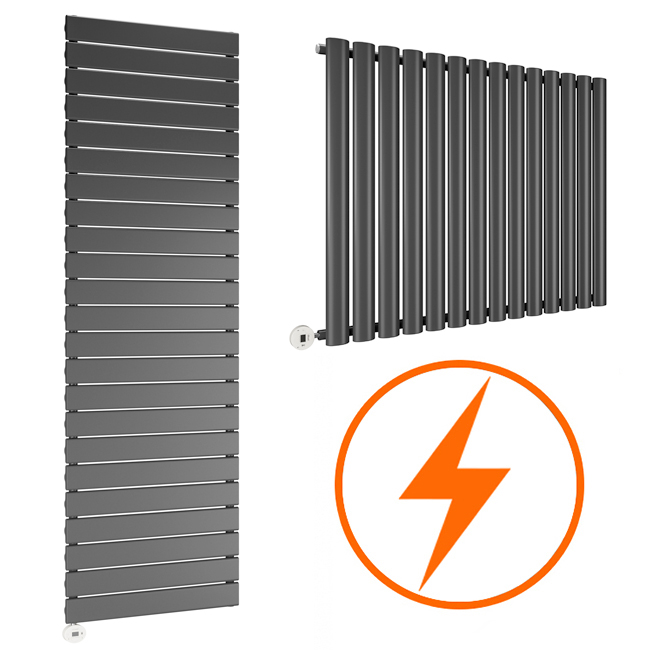
Anthracite grey radiators have become increasingly popular in UK homes because they offer a strong, contemporary alternative to traditional white. Their deep grey finish feels smart, modern and slightly more luxurious, making them a favourite for homeowners who want their radiator to look intentionally considered. Anthracite designer radiators work particularly well in modern interiors where clean lines, contrast and statement finishes are part of the design. A tall anthracite vertical radiator can create a striking feature in a kitchen-diner, hallway or open-plan living space, while a horizontal anthracite radiator can help ground a room with darker accents and contemporary furniture.
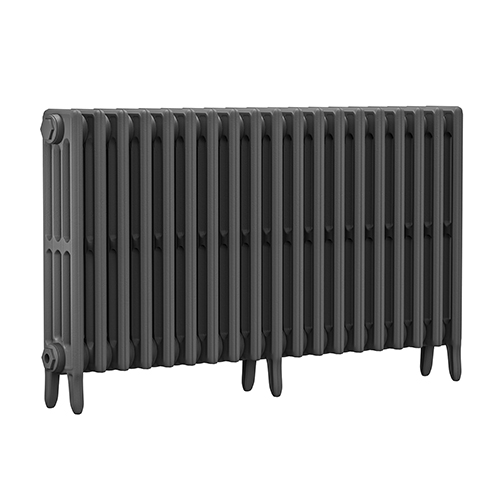
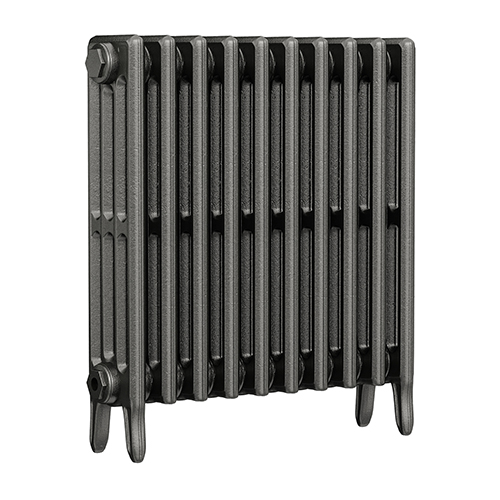
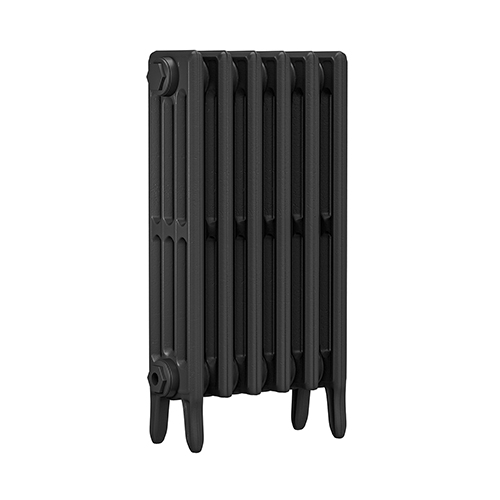
The colour also pairs beautifully with many current interior trends. Anthracite grey works well with black-framed doors, matt black taps, dark kitchen cabinets, concrete-effect tiles, wood flooring, exposed brick, navy walls, olive green paint and warm neutral schemes. It can feel bold without being too harsh, making it softer than black but more dramatic than pale grey. Anthracite column radiators are especially useful if you want to combine traditional shape with modern colour. In a period property, an anthracite column radiator can highlight original features while giving the room a more updated edge. This makes it a strong option for homeowners who like classic details but do not want their interior to feel overly traditional.
Because anthracite grey has such a strong design presence, it is often chosen for spaces where the radiator is intended to be seen. Rather than trying to hide it, you can use it as part of the overall scheme.
Anthracite grey vs white radiators: which suits your interior style?
The main difference between white and anthracite grey radiators is the role they play in the room. White is usually the better choice if you want the radiator to blend in, keep the space feeling bright or suit a wide range of future decor changes. Anthracite grey is usually the better choice if you want the radiator to stand out, add contrast, or create a more contemporary design feature. In minimalist interiors, either colour can work, but the effect will be different. A white radiator keeps things calm and simple, while an anthracite radiator introduces contrast and definition. In Scandinavian-inspired rooms with pale woods, soft whites and natural textures, white can feel more seamless, while anthracite can provide a smart focal point.
In modern industrial interiors, anthracite grey is often the stronger choice. It complements metal accents, exposed materials and darker colour palettes beautifully. In more traditional homes, white tends to feel more natural, but anthracite can still work well if you want to add a modern twist.
You should consider the colour of your walls too; against white or pale walls, anthracite radiators create strong contrast. Against darker painted walls, they can look more subtle and layered. White radiators look crisp against coloured walls, but they will stand out more sharply against deep shades such as navy, forest green or charcoal.
Lighting is another consideration. In a bright, south-facing room, anthracite grey can look rich and stylish. In a darker, north-facing space, white may help the room feel lighter and less enclosed. Neither option is universally better; it is about choosing the finish that supports the atmosphere you want to create.
The best radiator colour for every room in your home
In living rooms, the choice often comes down to whether the radiator is part of the room's design or something you would rather keep discreet. A white radiator is ideal for a relaxed, neutral lounge where comfort and softness are the priority. An anthracite radiator can work well in a more styled living space with darker accents, statement lighting or contemporary furniture.
In kitchens, anthracite grey can be particularly effective, especially if your kitchen includes dark cabinets, black handles, grey tiles or industrial-style finishes. It can make the radiator feel like part of the kitchen design rather than a separate heating fixture. White radiators still work well in bright, classic or shaker-style kitchens, especially where you want the room to feel fresh and open.
Bathrooms and en-suites often suit both colours. A white towel radiator can keep the space clean, simple and spa-like, while an anthracite towel radiator can add a more boutique hotel feel. If your bathroom includes black taps, dark tiles or slate-effect flooring, anthracite grey can help tie the scheme together.
Bedrooms are usually spaces where calm matters most, so white radiators are a natural choice for soft, restful schemes. However, anthracite can work beautifully in bedrooms with darker feature walls, upholstered headboards, rich textiles or a more grown-up, contemporary feel.
Hallways are often narrow or short on space, which makes the radiator choice especially important. White radiators can keep a hallway feeling bright and open, while anthracite vertical radiators can turn unused wall space into a smart design feature. In period hallways, both white traditional radiators and anthracite column radiators can look excellent, depending on whether you want a classic or more updated finish.
For period properties, white is often the safest and most sympathetic option, particularly if you are trying to preserve a traditional feel. That said, anthracite grey can look stunning in renovated Victorian or Edwardian homes where original features are mixed with contemporary design.
Are anthracite radiators harder to style than white radiators?
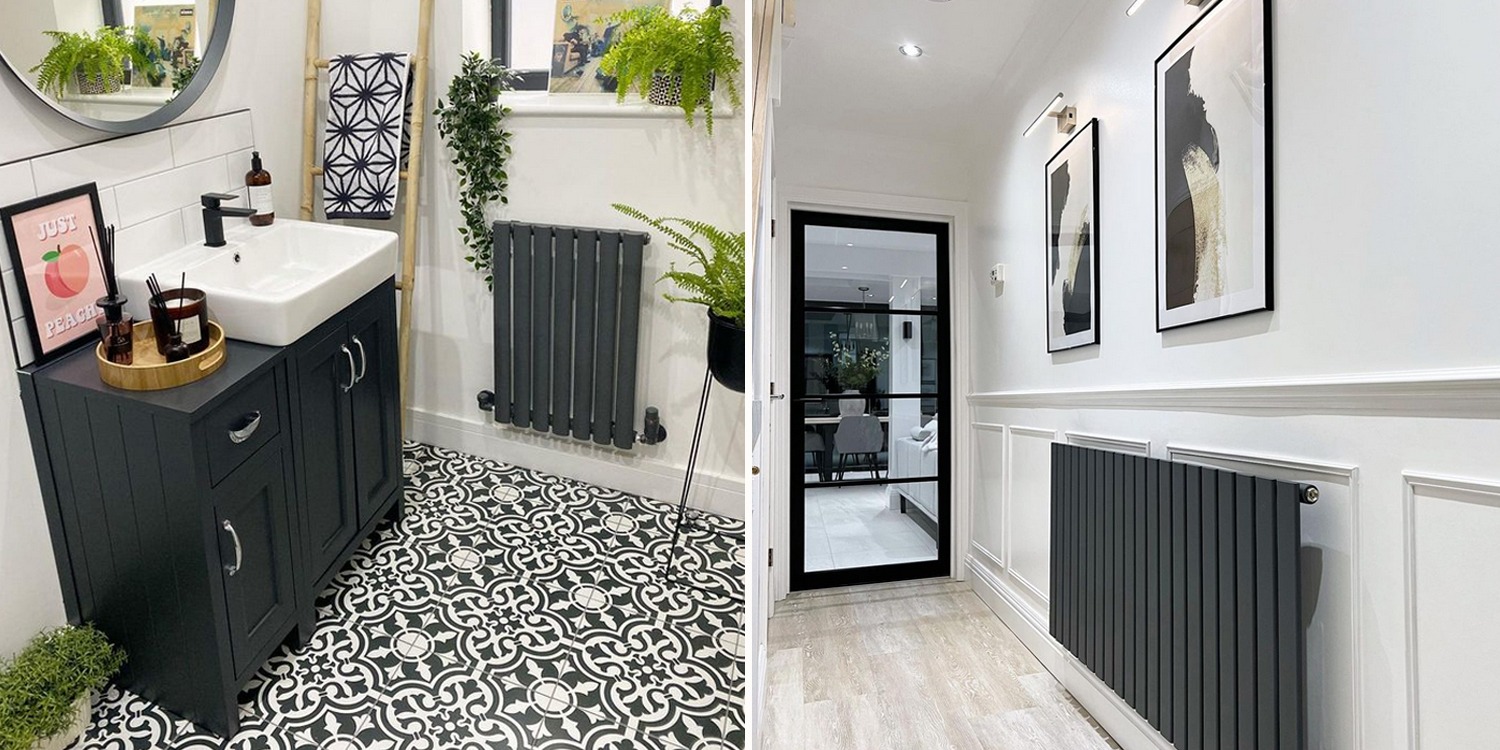
Anthracite radiators are not necessarily harder to style, but they do require a little more thought. White is naturally forgiving because it works with almost every wall colour, flooring choice and furniture style. Anthracite grey is still versatile, but because it has a stronger visual presence, it needs to feel connected to something else in the room. That could be as simple as black door handles, dark picture frames, grey flooring, charcoal cushions, metal light fittings or a darker kitchen worktop. When the anthracite finish is echoed elsewhere, the radiator feels considered rather than isolated.
White radiators are easier if you regularly redecorate or prefer a neutral backdrop. They are also useful in rooms where you do not want to draw attention to the radiator. Anthracite radiators are better when you want your heating to contribute to the look of the room.
Maintenance is similar for both colours. White radiators may show dust, marks or scuffs more easily, especially in busy family homes or rental properties. Anthracite grey can be more forgiving day-to-day, although dust can still be visible depending on the finish and light. In either case, regular gentle cleaning will help keep your radiator looking its best.
Which radiator colour is best for long-term value?
When thinking about long-term value, it is worth considering both practical appeal and design longevity. White radiators are unlikely to fall out of favour because they are simple, familiar and adaptable. If you are renovating to sell or rent, white is often the safest choice because it will appeal to the broadest audience. Anthracite grey radiators, however, can add perceived value by making a room feel more designed and contemporary. They can help a property feel more finished, especially when chosen carefully alongside modern decor. For homeowners investing in their own long-term comfort and style, anthracite can be a very worthwhile upgrade.
The best value comes from choosing a radiator that suits the room, performs well, fits the available space and complements your wider interior plans. Colour is important, but it should work alongside size, heat output, radiator type and installation requirements.
Shop now
Whether you prefer the clean, timeless look of white or the bold, contemporary feel of anthracite grey, Radiator Outlet makes it easy to find a radiator that suits your home, your heating needs and your budget. From white designer radiators for modern spaces to white traditional column radiators for classic interiors, and from sleek anthracite designer radiators to characterful anthracite column radiators, there are styles to suit living rooms, kitchens, bathrooms, bedrooms, hallways and period properties alike.
Shop Radiator Outlet's full range of radiators today and find stylish, high-quality heating at great value, with plenty of choice for every room in your home.